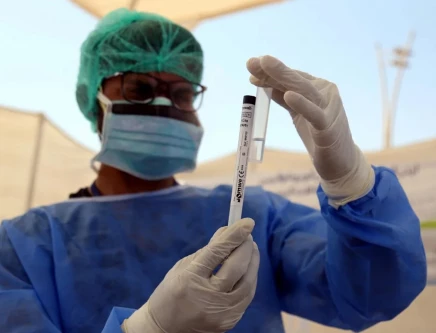
Pakistan is strategically fortifying its defenses against a potential Nipah outbreak Pakistan, with health officials confirming the risk remains commendably low. The National Institutes of Health (NIH) reports no detected cases thus far, yet acknowledges the persistent threat from animal reservoirs. Consequently, a calibrated national strategy, directed by Health Minister Mustafa Kamal, emphasizes proactive measures including enhanced border screenings, robust diagnostic capabilities, and designated isolation facilities. This structural readiness ensures Pakistan’s health infrastructure is poised for rapid response.
Strategic Health Fortification Against Nipah Outbreak Pakistan
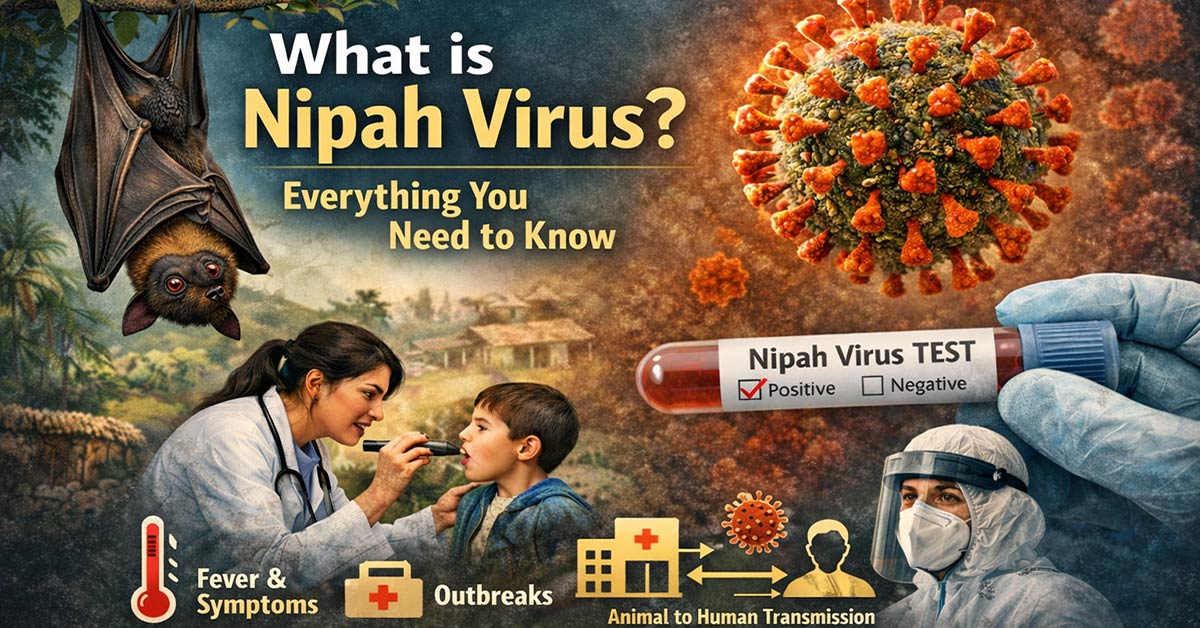
The National Institutes of Health (NIH) recently convened a critical meeting, spearheaded by Health Minister Mustafa Kamal, to calibrate Pakistan’s response to the Nipah virus. While no human cases have been identified, the presence of fruit bats—natural reservoirs of the virus, particularly in northern and forested regions—necessitates a high degree of vigilance. This structural understanding of the threat, despite the absence of active human transmission evidence, forms the baseline for national preparedness protocols.
Baseline Capabilities and Diagnostic Precision
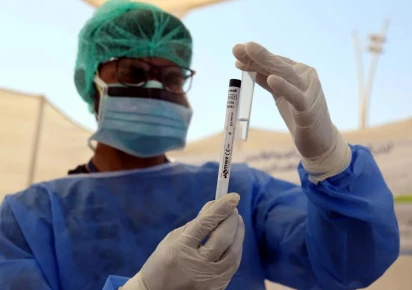
Director General Health Dr. Abdul Wali Khan confirmed that Pakistan possesses sufficient laboratory capacity. Specifically, the nation has acquired necessary diagnostic kits to accurately test suspected cases. However, a significant challenge remains: the global absence of an approved Nipah vaccine or specific antiviral treatment. This deficiency underscores the critical importance of early detection and containment strategies.
Protecting Pakistan’s Future: Daily Life and Economic Stability
For the average Pakistani citizen, these robust preparedness measures translate directly into enhanced public health security. Students and professionals can continue their daily routines with greater assurance, knowing that a strategic defense is in place. Furthermore, designated isolation facilities at major federal hospitals and trained medical personnel provide a critical safety net. This minimizes potential disruptions to urban and rural communities alike, safeguarding both individual well-being and broader economic stability.
Mitigating Transmission Pathways: Public Awareness as a Shield
The emphasis on public awareness is a critical component of this national strategy. Citizens are urged to adopt precise food handling practices, including thoroughly washing fruits and avoiding partially eaten or fallen produce. These simple, yet highly effective, preventative actions empower households to actively participate in disease containment. This collective vigilance directly reduces the Nipah virus risk for all.
The Forward Path: A Stabilization Move for National Health Security
This current development represents a Stabilization Move for Pakistan’s national health security. While significant progress has been made in establishing foundational readiness, the ongoing absence of a vaccine or specific treatment necessitates a sustained, methodical approach. The focus remains on strengthening surveillance, ensuring rapid diagnostic capabilities, and fostering public health education. This precise, systematic reinforcement of existing structures is crucial for long-term resilience against emergent viral threats.
Enhanced Border Security: A Strategic Frontline
Border Health Services have implemented enhanced screening protocols for incoming passengers. These include thermal checks and detailed travel history assessments, particularly for individuals arriving from high-risk regions. This strategic frontline defense is a calibrated effort to prevent external transmission, thus reinforcing national containment integrity.