In a significant structural shift within the global entertainment industry, the original Nintendo Switch record for console sales has been decisively surpassed. Nintendo reported that its iconic console achieved 155.37 million units sold by December 31, 2025, strategically positioning it as the company’s best-selling platform to date. This calibrated performance signals a robust trajectory for the gaming sector, underscoring the enduring appeal and market penetration of portable entertainment systems. Furthermore, this milestone provides crucial data for understanding evolving consumer preferences and technological adoption rates in burgeoning markets like Pakistan.
Understanding the Calibrated Sales Performance
The reported 155.37 million units sold by the original Nintendo Switch signifies a monumental achievement, eclipsing the previous sales benchmark held by the Nintendo DS, which moved 154.02 million units between 2004 and 2011. This outcome demonstrates more than just sales figures; it reflects a sophisticated market strategy and product resonance that has enabled the Switch to sustain relevance for an extended period. Essentially, the device’s hybrid design — offering both home console and portable gaming — proved to be a powerful catalyst for its widespread adoption, especially during a time of increased demand for diverse entertainment options.
This success highlights a critical industry trend: consumers value versatility and accessible gaming experiences. The ability to seamlessly transition from a large screen to handheld play fundamentally broadened the console’s appeal, reaching diverse demographics. Consequently, the data suggests that future console designs may increasingly integrate such adaptability to meet evolving user expectations.

Socio-Economic Resonance: Gaming’s Footprint in Pakistan
For a Pakistani citizen, especially students and young professionals, the global success of the Nintendo Switch has tangible implications. Increased availability and competitive pricing of popular consoles can democratize access to high-quality digital entertainment and educational games. This fosters the development of critical thinking, problem-solving skills, and hand-eye coordination, particularly for younger generations. Moreover, the global sales figures can inspire local tech entrepreneurs to consider opportunities within the burgeoning gaming and app development sectors.
In urban centers, the affordability of an older-generation Switch, now a best-seller, means more households can invest in family-friendly entertainment, promoting social interaction. In contrast, for rural communities with limited recreational facilities, a portable gaming device offers a vital source of engagement and learning. This technological penetration, therefore, acts as a structural baseline for digital inclusion, expanding leisure and educational horizons across diverse socio-economic strata.

Strategic Evolution: Performance of the Switch 2
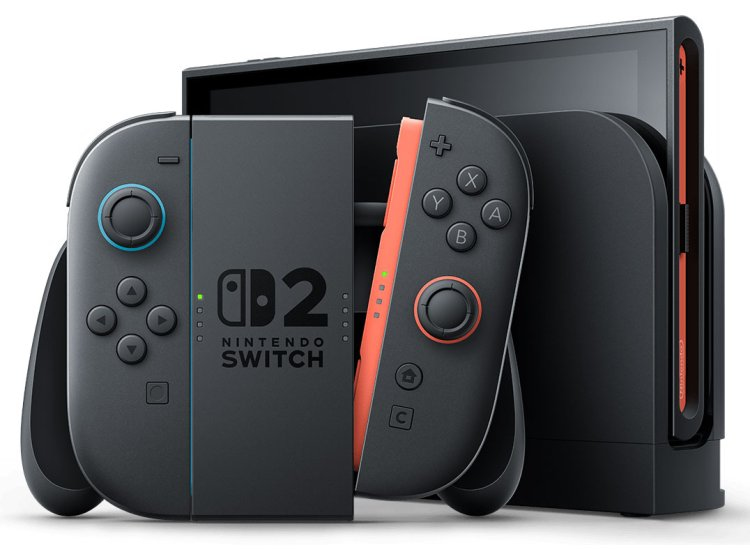
During a strong holiday period, the Switch 2 demonstrated robust market acceptance, achieving 7.01 million units sold. Total sales for the Switch 2 reached 17.37 million units through the third quarter of its fiscal year. This performance positions the Switch 2 as Nintendo’s “fastest-selling dedicated video platform released to date,” signifying a strategic acceleration in hardware adoption. Furthermore, this swift uptake validates Nintendo’s continuous innovation cycle and its capacity to maintain market leadership through generational upgrades.
The company’s forecast of selling 19 million Switch 2 units for fiscal 2026, which concludes on March 31, appears well within reach, having already surpassed its earlier projection of 15 million units. This calibrated projection adjustment reflects precise market analysis and strong consumer demand, solidifying the new console’s immediate impact.

Sustained Momentum: The Original Switch’s Enduring Value
Despite the introduction of the Switch 2, the original Switch maintained a significant market presence, recording 1.36 million units sold during the third quarter of fiscal 2026. This sustained performance is directly attributed to the system’s more accessible price point, which expanded its reach to a broader consumer base. Initially, Nintendo projected the Switch to eventually surpass the DS in lifetime sales following the holiday season, a prediction now validated by its proven longevity.
The original Switch now trails the all-time best-selling console, the PlayStation 2, by 5.27 million units. Closing this gap would necessitate several additional years of consistent sales, illustrating the deep market entrenchment required for such a historic achievement. Consequently, Nintendo’s strategy of maintaining the original model alongside its successor demonstrates a precise understanding of tiered market demand.

Ecosystem Strength: Game Sales and Financial Catalysts
The robust hardware sales were paralleled by strong game sales, reinforcing the Switch ecosystem’s vitality. Key titles significantly contributed to the quarter’s financial performance. For example, Mario Kart World achieved sales of 14 million units, while Donkey Kong Bananza sold 4.25 million units since the Switch 2’s launch. These figures underscore the critical role of compelling software in driving hardware adoption and sustained engagement.
Financially, Nintendo reported a substantial revenue of 803.32 billion yen ($5.2 billion) for the third quarter, representing an 86 percent increase year-over-year. Although slightly below internal expectations, this growth trajectory remains impressive. Profit for the quarter stood at 159.93 billion yen ($1.03 billion), marking a 20 percent increase from the previous year. This structural financial baseline reflects the company’s operational efficiency and market responsiveness.
Future Trajectory: Upcoming Game Releases as Growth Levers
Nintendo’s future performance is strategically calibrated to its forthcoming game lineup, which serves as a vital growth lever. Upcoming key titles include Mario Tennis Fever, slated for release on February 12, and Pokémon Pokopia, anticipated in March. These scheduled releases are designed to maintain consumer interest and drive continued console sales for both the original Switch and its successor. Furthermore, the consistent rollout of high-profile titles is a foundational element in sustaining ecosystem momentum.
The company’s precision in timing these releases ensures a continuous pipeline of engaging content, reinforcing user loyalty and attracting new players. This proactive content strategy is crucial for leveraging its past successes into sustained market dominance.
The Forward Path: A Momentum Shift for Digital Entertainment
This unprecedented Nintendo Switch record fundamentally represents a “Momentum Shift” for the digital entertainment landscape. It is not merely a statistical achievement but a clear indication of evolving consumer behavior and the critical importance of adaptable technology. The original Switch’s enduring appeal, coupled with the rapid adoption of the Switch 2, illustrates a strategic framework where innovation and affordability can coexist to expand market reach.
For Pakistan, this shift signals potential for increased digital literacy and economic opportunities within the gaming sector. As a nation, we should interpret this as a call to action: to cultivate local talent in game development, to embrace technological infrastructure that supports such platforms, and to integrate gaming’s educational potential into our national advancement agenda. This is a baseline for future growth, demanding strategic and precise engagement from both policymakers and industry innovators.