Strategic Alert: Calibrating Public Health Against Congo Virus Risk for Eid-ul-Adha
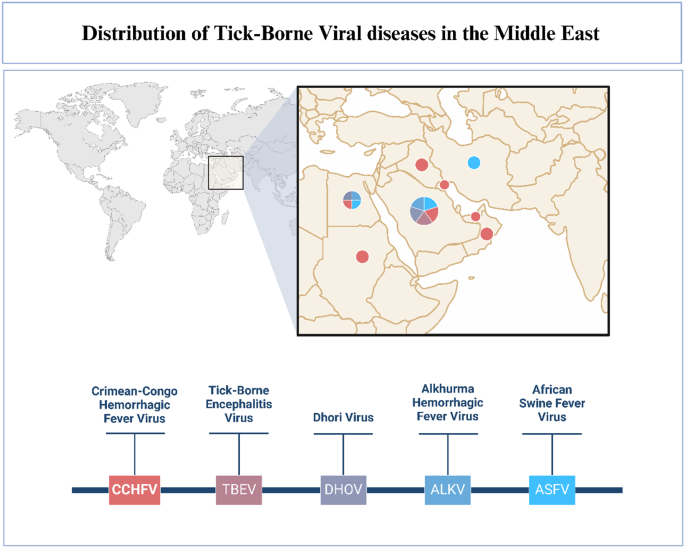
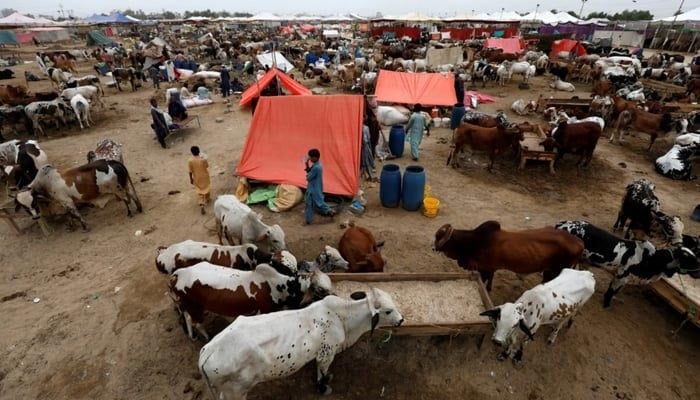
The National Institute of Health (NIH) has issued a nationwide advisory, strategically warning of an amplified Congo Virus Risk, specifically Crimean-Congo hemorrhagic fever (CCHF), leading up to Eid-ul-Adha. This calibrated alert stems from heightened human-animal interaction during the festive period. Consequently, robust preventive measures are critical to safeguard public health and mitigate potential outbreaks across the nation, ensuring systemic efficiency in disease control.
The Translation: Deconstructing CCHF Threats
The NIH’s data indicates a significant increase in CCHF cases and fatalities. In 2025, the institute reported 82 confirmed cases and 20 deaths, pushing the case fatality rate beyond 24 percent. This represents a concerning escalation from 61 cases documented in 2024, with four cases already reported this year. Furthermore, these metrics underscore the persistent threat CCHF poses to Pakistan’s public health infrastructure.

Understanding CCHF Transmission Pathways
CCHF, a formidable tick-borne viral disease, primarily disseminates through the bites of infected ticks. However, direct contact with the blood and tissues of infected animals, particularly during the slaughtering process, also facilitates transmission. Human-to-human transmission constitutes another critical pathway, occurring via exposure to infected blood and bodily fluids. Therefore, understanding these pathways is foundational for effective prevention.

Socio-Economic Impact: Calibrating Public Health for Pakistan
This advisory directly impacts the daily lives of countless Pakistani citizens, especially those engaged in livestock management and related professions. Livestock handlers, butchers, and veterinarians face elevated occupational hazards. Moreover, healthcare workers confront increased risks, emphasizing the imperative for stringent infection control within medical facilities. This situation necessitates a precise public health response to protect urban and rural populations.
Protecting Vulnerable Communities During Eid
Preventive measures are structural components of community safety. The NIH strongly advocates for these actions:
- Protective Clothing: Wear long-sleeved shirts, trousers, and gloves when handling animals.
- Tick Control: Implement rigorous tick control strategies for livestock, including proper animal hygiene.
- Safe Animal Handling: Practice meticulous safety protocols during animal slaughter and processing.
- Infection Control: Maintain stringent infection prevention and control standards in all healthcare settings.
- Increased Vigilance: Remain highly alert for CCHF symptoms, such as sudden fever, headache, and muscle pain, particularly during the Eid period. Severe cases may involve bleeding and organ complications.
The “Forward Path”: Strategic Public Health Momentum
This development unequivocally represents a Momentum Shift. The proactive advisory from the NIH signals an evolving, more robust public health infrastructure in Pakistan. It moves beyond reactive response towards a strategic, preventative framework, thereby enhancing national resilience against infectious diseases. This calibrated approach is a catalyst for improved systemic health outcomes, fostering a more secure future for all citizens.