

Optimizing National Transit: Strategic New Speed Limits Pakistan
Pakistan has calibrated its national transit strategy by enforcing new speed limits Pakistan, specifically across motorways and national highways. This directive, originating from Prime Minister Shehbaz Sharif, represents a structural adjustment designed to enhance fuel efficiency and bolster national energy conservation efforts. Consequently, this precise intervention directly addresses the escalating global oil prices and broader energy security imperatives, ensuring more sustainable vehicular operation nationwide. The implementation began on March 26, 2026, marking a significant step towards optimized resource management.
The Translation: Deconstructing Revised Regulations for Drivers
Understanding these revised regulations, part of the new speed limits Pakistan initiative, is crucial for every Pakistani motorist. The National Highways and Motorway Police (NHMP) now mandates specific maximum velocities to reduce overall fuel consumption. For instance, cars and light transport vehicles on motorways must now adhere to 100 km/h, a reduction from the previous 120 km/h. Furthermore, buses and heavy vehicles face a new limit of 90 km/h, down from 110 km/h. On national highways, light vehicles are restricted to 80 km/h, whereas heavy and passenger vehicles must maintain 65 km/h. These figures are not arbitrary; they reflect a data-driven approach to optimize vehicle performance relative to fuel expenditure.

The Socio-Economic Impact: Daily Life Under Pakistan’s New Speed Limits
How do these new speed limits Pakistan affect the daily life of a Pakistani citizen? This policy directly influences transport costs for families and businesses. Lower speeds translate into reduced fuel consumption, which can lead to marginal but meaningful savings at the pump for individual households. For professionals commuting on motorways, journey times might incrementally increase; however, this is balanced against the collective economic benefit of decreased national fuel import bills. Moreover, enhanced road safety is an inherent outcome. The data demonstrates that lower speeds significantly reduce accident severity, fostering a safer environment for students traveling to schools and families undertaking intercity journeys. This strategic shift thus impacts both personal finances and public safety.
Calibrated Changes: Detailed Speed Adjustments
The revised speed limits are a calibrated response to both economic and safety considerations. Below is a structural breakdown of the new directives:
Motorway Protocols:
- Cars and Light Transport Vehicles: 100 km/h (previously 120 km/h)
- Buses and Heavy Vehicles: 90 km/h (previously 110 km/h)
National Highway Directives:
- Cars and Light Vehicles: 80 km/h (previously 100 km/h)
- Heavy and Passenger Vehicles: 65 km/h (previously 80 km/h)
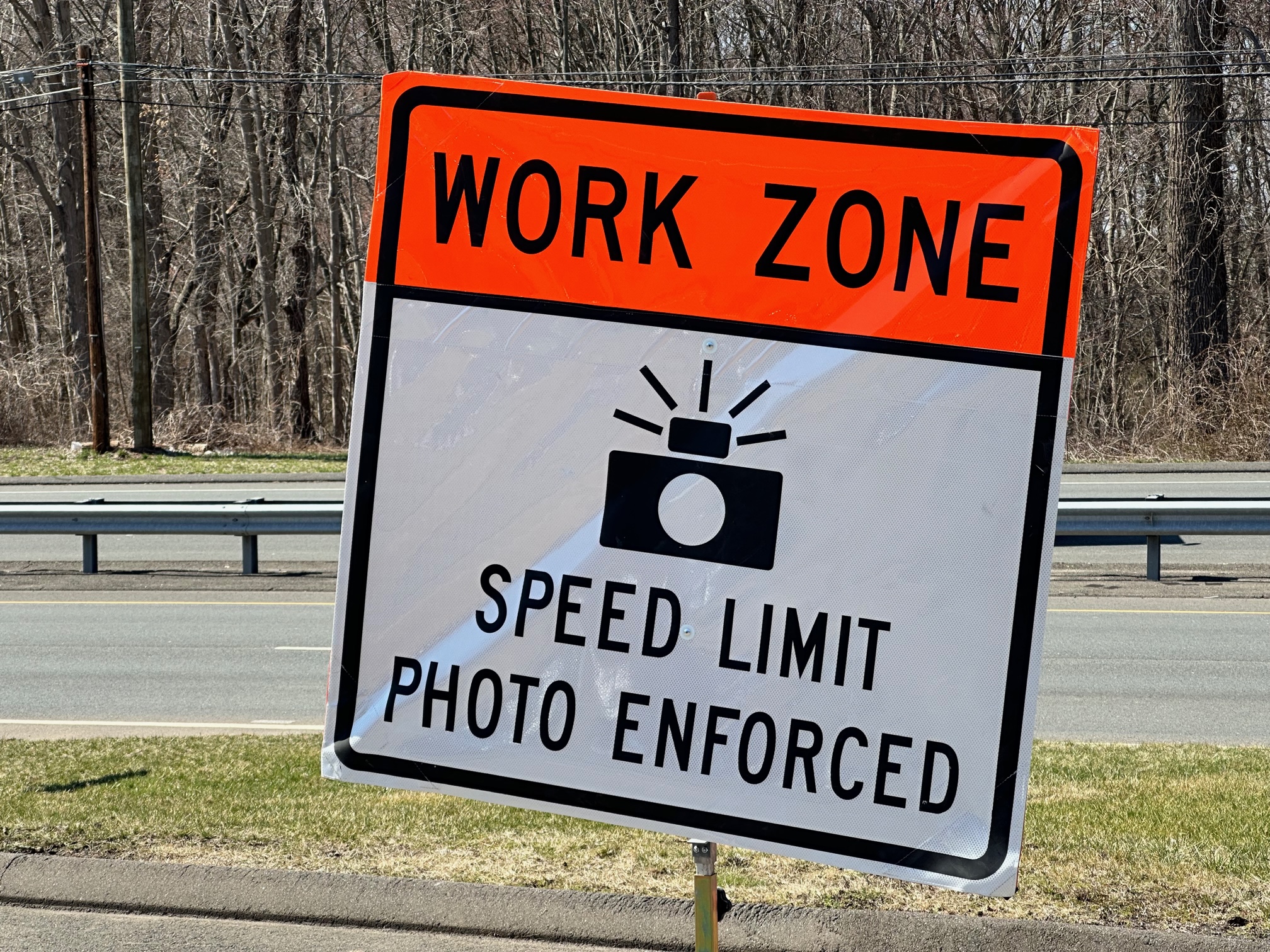
These limits came into effect on March 26, 2026. Consequently, an extensive nationwide awareness campaign has been launched by authorities to ensure motorists are fully informed and compliant, underscoring the government’s commitment to seamless implementation of these new speed limits Pakistan.
Fuel Efficiency: A Core Principle of Reduced Velocity
Energy experts corroborate the direct correlation between reduced vehicle speed and improved fuel efficiency. According to the International Energy Agency, a decrease of just 10 km/h on highways can reduce automotive oil consumption by up to 6 percent. This empirical data provides the baseline for Pakistan’s decision. Thus, by lowering the permissible speeds, the nation strategically aims to curtail its reliance on imported fuel, contributing to a more robust and self-reliant energy ecosystem. This is a pragmatic, data-driven approach to resource optimization.
The “Forward Path”: A Stabilization Move for Systemic Resilience
This development represents a Stabilization Move for the nation. While not a dramatic momentum shift, it is a crucial step towards systemic resilience in energy management. The directive is a precise response to global energy pressures, a pragmatic adjustment designed to mitigate external economic vulnerabilities. By implementing these measures, Pakistan is actively safeguarding its economic baseline against volatile international oil markets. It underscores a disciplined approach to national resource management, fostering greater predictability and stability within the transportation sector and the broader economy. This is a foundational step, building a more secure operational framework for the future.








