

In a strategic move to optimize national resource allocation, Pakistan’s National Highways and Motorway Police (NHMP) has officially announced new speed limits for vehicles across its expansive motorway and highway networks. This precise calibration aligns with the federal government’s urgent fuel conservation measures, representing a structural adjustment to enhance energy efficiency. Consequently, drivers are now expected to adhere to these revised parameters, contributing directly to a broader national effort.
Optimizing Pakistan’s Vehicular Velocity: The New Speed Limits Mandate
The NHMP’s directive aims primarily at a significant reduction in fuel consumption. Furthermore, it directly supports the government’s overarching strategy to manage energy usage effectively amidst current economic pressures. This initiative is not merely regulatory; it is a foundational component of a national energy efficiency drive, impacting every journey across the nation’s critical arteries.
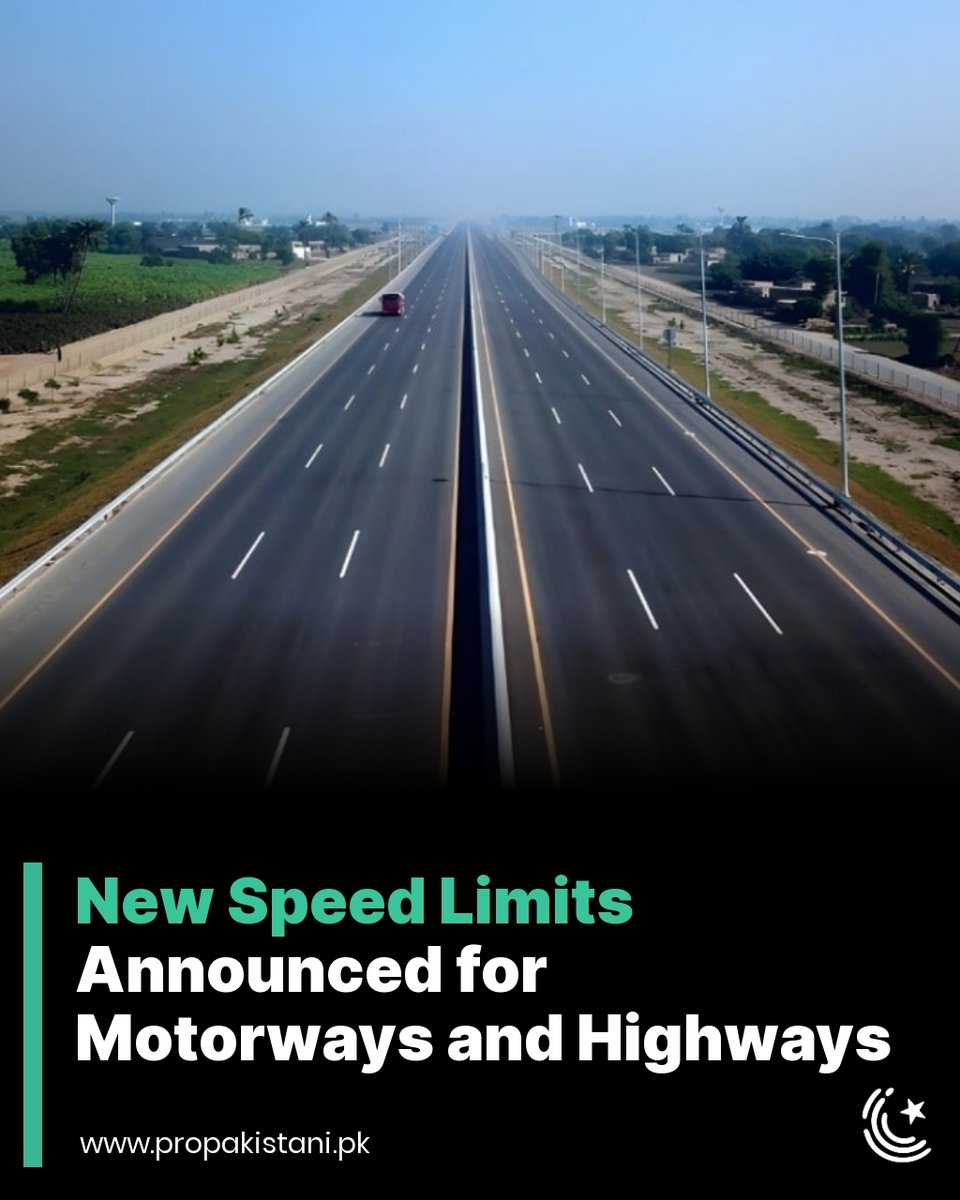
The Translation: Deconstructing the New Speed Limits Framework
Understanding the specific adjustments is crucial for all commuters. The new framework precisely delineates maximum speeds for various vehicle categories:
- Motorcars and Light Transport Vehicles (LTV):
- On Motorways: A maximum velocity of 100 kilometers per hour.
- On Highways: Restricted to 80 kilometers per hour.
- Public Service Vehicles (PSV) and Heavy Transport Vehicles (HTV):
- On Motorways: A maximum velocity of 90 kilometers per hour.
- On Highways: Fixed at 65 kilometers per hour.
These specific adjustments are engineered to foster more efficient fuel utilization. Additionally, they are designed to improve overall traffic management, ensuring smoother and safer transit. The authorities confirm these revised limits are being strictly enforced, aligning with the government’s direct instructions on fuel conservation and systemic energy efficiency.
The Socio-Economic Impact: Calibrating Daily Life for Pakistani Citizens
For the average Pakistani citizen, these new speed limits translate into tangible changes. Students and professionals commuting daily may experience slightly longer travel durations, yet this is offset by potential savings in fuel costs. Families embarking on inter-city journeys will also benefit from reduced consumption, easing household budgets. Moreover, the collective reduction in vehicle emissions contributes to a healthier urban and rural environment, a critical long-term gain for public health.
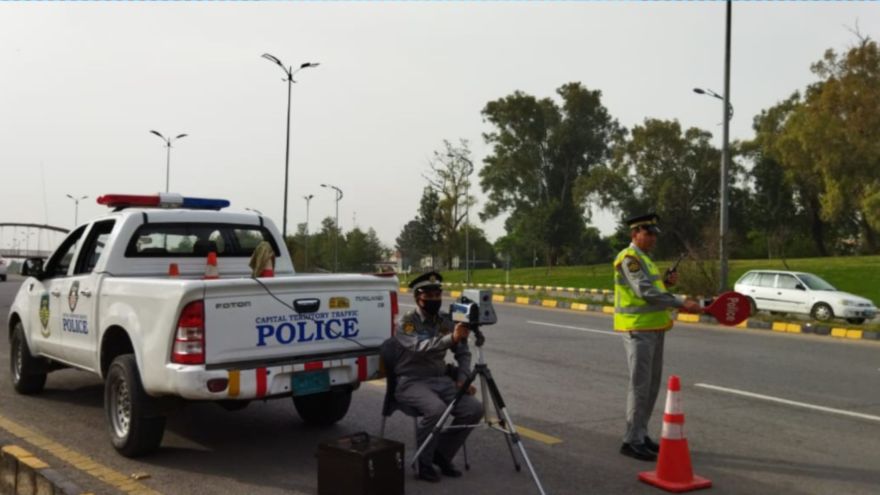
This initiative represents a deliberate effort to alleviate pressure on national energy resources. By promoting disciplined driving, the government aims to create a more sustainable transportation ecosystem. Consequently, every driver’s adherence to these limits directly supports Pakistan’s national economic stability and environmental objectives.
The Forward Path: A Structural Shift or Strategic Maintenance?
This implementation of revised speed limits undeniably represents a “Stabilization Move.” It is a calculated, baseline adjustment designed to manage current energy exigencies and optimize existing infrastructure. While it may not be a radical “Momentum Shift” in technological advancement, it is a fundamentally sound, practical step. This decision underscores a disciplined approach to resource management, crucial for building a resilient national framework. It serves as a catalyst for collective responsibility, strengthening our systemic efficiency.








