

Structural Reforms for Green Infrastructure in Punjab
Pakistan’s national advancement hinges on strategic environmental stewardship. Consequently, the Punjab government has implemented new, calibrated regulations to safeguard ecologically significant trees and green spaces across the province. These proactive measures, outlined in the Public Parks, Greenbelts and Green Areas Protection & Regulated Emergency Transplantation Regulations 2026, establish a robust framework for Punjab tree protection, specifically targeting the unnecessary felling of large, environmentally vital trees. This represents a critical step towards enhancing systemic efficiency in urban planning and ecological balance.
Defining Heritage Trees for Strategic Conservation
Under this new regulatory architecture, a tree with a trunk wider than 36 inches or an age exceeding 30 years is now officially classified as a “heritage tree.” Furthermore, authorities will restrict the cutting or disturbance of these vital natural assets. This prohibition only lifts if the tree poses a documented safety risk or suffers from severe disease, and even then, requires explicit approval from a specialized technical committee. This precise classification provides a baseline for safeguarding critical arboreal resources.
Calibrated Oversight: Technical Committees and Digital Tracking
Each district horticulture agency is mandated to establish a dedicated committee. This body comprises arborists, foresters, environmentalists, and botanists. Their collective expertise will be strategically deployed to review all requests concerning tree removal, pruning, or transplantation. In addition, officials are tasked with maintaining a comprehensive public digital register of all heritage trees, complete with GPS locations and photographic evidence. This structural innovation ensures transparent monitoring and accountable decision-making.
The Translation: Deconstructing Environmental Legislation
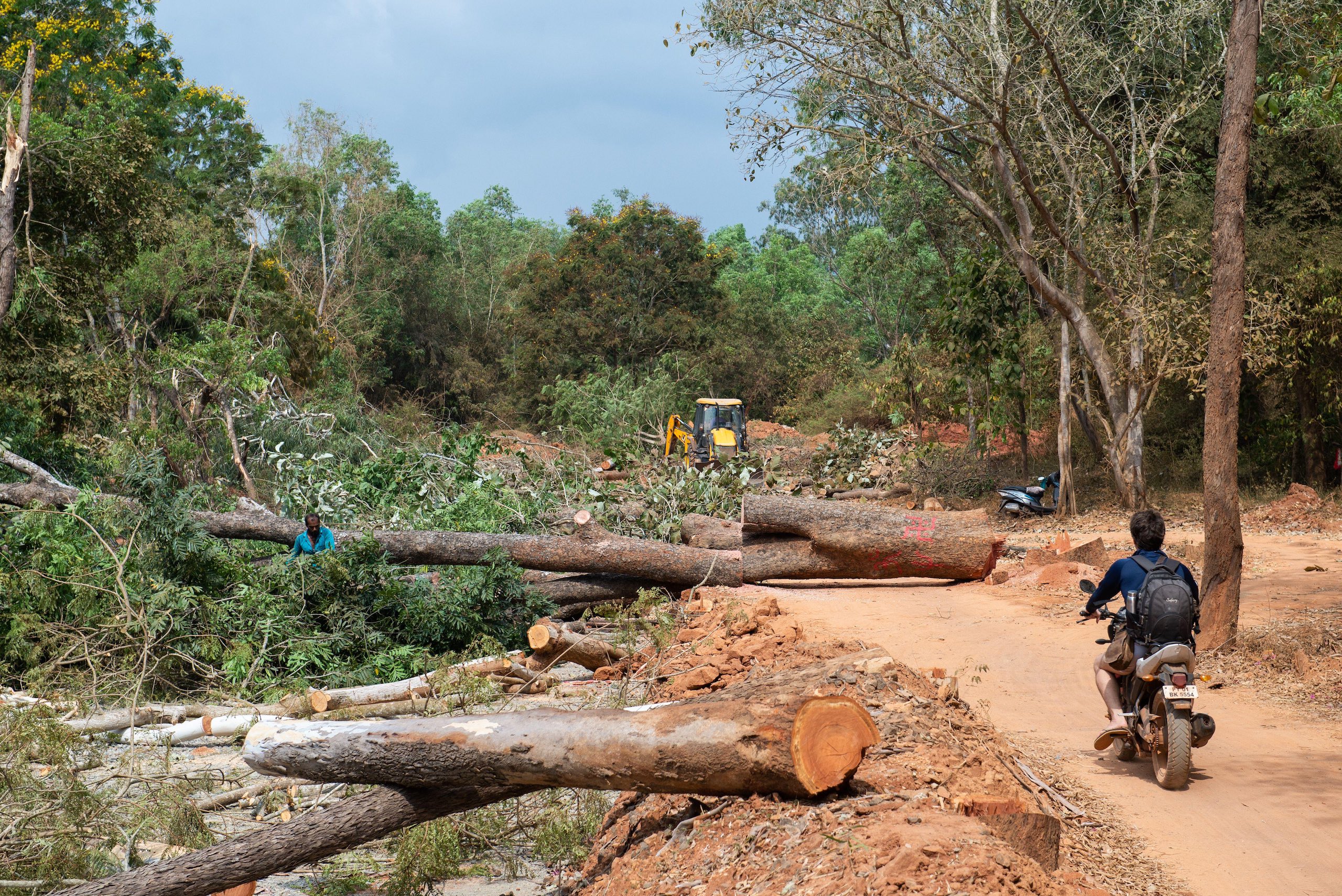
This new regulatory framework transforms a fragmented approach to urban forestry into a unified, enforceable system. Previously, decisions regarding tree removal often lacked a standardized review process, leading to inconsistent outcomes and potential ecological degradation. The 2026 Regulations introduce a robust scientific and administrative layer, ensuring that every significant tree removal or intervention is justified by expert consensus and documented digitally. Consequently, this elevates environmental considerations to a structural priority within provincial development.
The Socio-Economic Impact: Greener Cities for Pakistani Citizens
This strategic shift directly impacts the daily lives of Pakistani citizens across urban and rural Punjab. For students and professionals, increased green spaces will lead to improved air quality and reduced urban heat island effects, fostering healthier living and working conditions. Furthermore, the preservation of heritage trees enhances civic beauty and cultural identity, contributing to community well-being. Households will benefit from sustained ecological services, ranging from shade and stormwater management to biodiversity conservation, which are critical for long-term urban resilience. This proactive environmental governance acts as a catalyst for sustainable community development.
The “Forward Path”: A Momentum Shift for Green Governance
This development undeniably represents a Momentum Shift for environmental policy in Pakistan. The comprehensive nature of the Public Parks, Greenbelts and Green Areas Protection & Regulated Emergency Transplantation Regulations 2026 moves beyond mere maintenance. It establishes a proactive, legally binding framework that prioritizes ecological assets over short-term developmental pressures. This structural commitment to green spaces Punjab signals a mature approach to balancing urban expansion with indispensable environmental preservation, setting a new baseline for future sustainability initiatives.
Reforestation Mandates: Ensuring Ecological Regeneration
The regulations strategically mandate tree transplantation as a primary consideration before any removal. Should cutting become unavoidable, officials must plant a minimum of 20 saplings for each tree removed. Importantly, if a transplanted tree fails to survive, this number escalates to 50 saplings per tree. These new plantings must exclusively comprise native, climate-resilient species, meticulously maintained for a period of three years. This calibrated approach ensures a net gain in green cover, reinforcing the objectives of Punjab tree protection.
Precision Planning: AIAs and GIS Integration
To further reinforce environmental safeguards, Arboricultural Impact Assessments (AIAs) are now compulsory for all major development projects. These assessments systematically evaluate potential effects on existing trees. Concurrently, a province-wide Geographic Information System (GIS) will be leveraged to precisely map and monitor urban trees. This integration of advanced geospatial technology provides granular data for superior conservation planning, enabling truly strategic interventions in environmental protection law Pakistan.
Safeguarding Public Greenbelts from Encroachment
Beyond individual trees, the regulations also implement stringent measures to protect public parks and greenbelts. This prevents both encroachment and commercial exploitation, preserving these vital community assets. Consequently, construction or development projects that potentially impact trees now require a No Objection Certificate (NOC) from the relevant horticulture authority. This certification follows a thorough technical review, ensuring that urban expansion is structurally aligned with green spaces Punjab conservation efforts.
Enforcement and Accountability
Violations of these meticulously drafted regulations carry significant penalties. Individuals or entities found in contravention may face up to one year in prison, a fine of Rs500,000, or both. This robust enforcement mechanism underscores the government’s commitment to ensuring compliance and deterring unauthorized tree removal, thereby strengthening Punjab tree protection. Ultimately, these measures provide a legal baseline for upholding the integrity of the provincial green infrastructure.
A Unified Framework for Sustainable Green Cover
The Punjab government confirms that this new framework will guarantee consistent protection of green cover across all 21 district horticulture agencies. This represents a monumental step in unifying environmental policy and ensuring that the province’s natural heritage is preserved for future generations. The structural integrity of this regulation is expected to foster a more resilient and verdant Punjab.








