

A significant structural advancement in Pakistan’s aviation sector is underway as Air Karachi, a new private airline Pakistan, prepares for launch. This strategic move is set to recalibrate domestic air travel, promising expanded choices and heightened market competition. Operations are slated to commence in May or June this year, initially focusing on key inter-city routes across the nation. This development underscores a precision-engineered expansion of our national transit infrastructure.
The Translation: Calibrating Aviation Sector Growth
Operational Blueprint & Scope
The Pakistan Airports Authority has completed essential coordination, signifying a baseline readiness for Air Karachi’s inaugural operations. Consequently, all necessary arrangements are in place to facilitate this launch. Air Karachi has meticulously finalized aircraft leasing agreements, a critical structural step towards operationalizing its modern fleet. The initial phase targets major domestic hubs, including Karachi, Lahore, Islamabad, Sukkur, Multan, Quetta, and Peshawar. Furthermore, this calibrated approach will establish a robust internal network, preceding a strategic pivot to international routes within a year.

The Socio-Economic Impact: Enhanced Mobility for Citizens
Enhanced Accessibility & Market Dynamics
The introduction of Air Karachi fundamentally alters the daily travel landscape for Pakistani citizens. Students and professionals commuting between urban centers will experience increased flight availability and potentially more competitive pricing, thereby enhancing national mobility and connectivity. Consequently, travel previously deemed inaccessible or cost-prohibitive becomes a tangible option for a broader demographic. Furthermore, this influx of a new private airline Pakistan stimulates the aviation job market, creating direct and indirect economic opportunities across urban and rural support services, fostering broader prosperity.
The “Forward Path”: Momentum Shift in Air Travel
Strategic Expansion & Competitive Edge
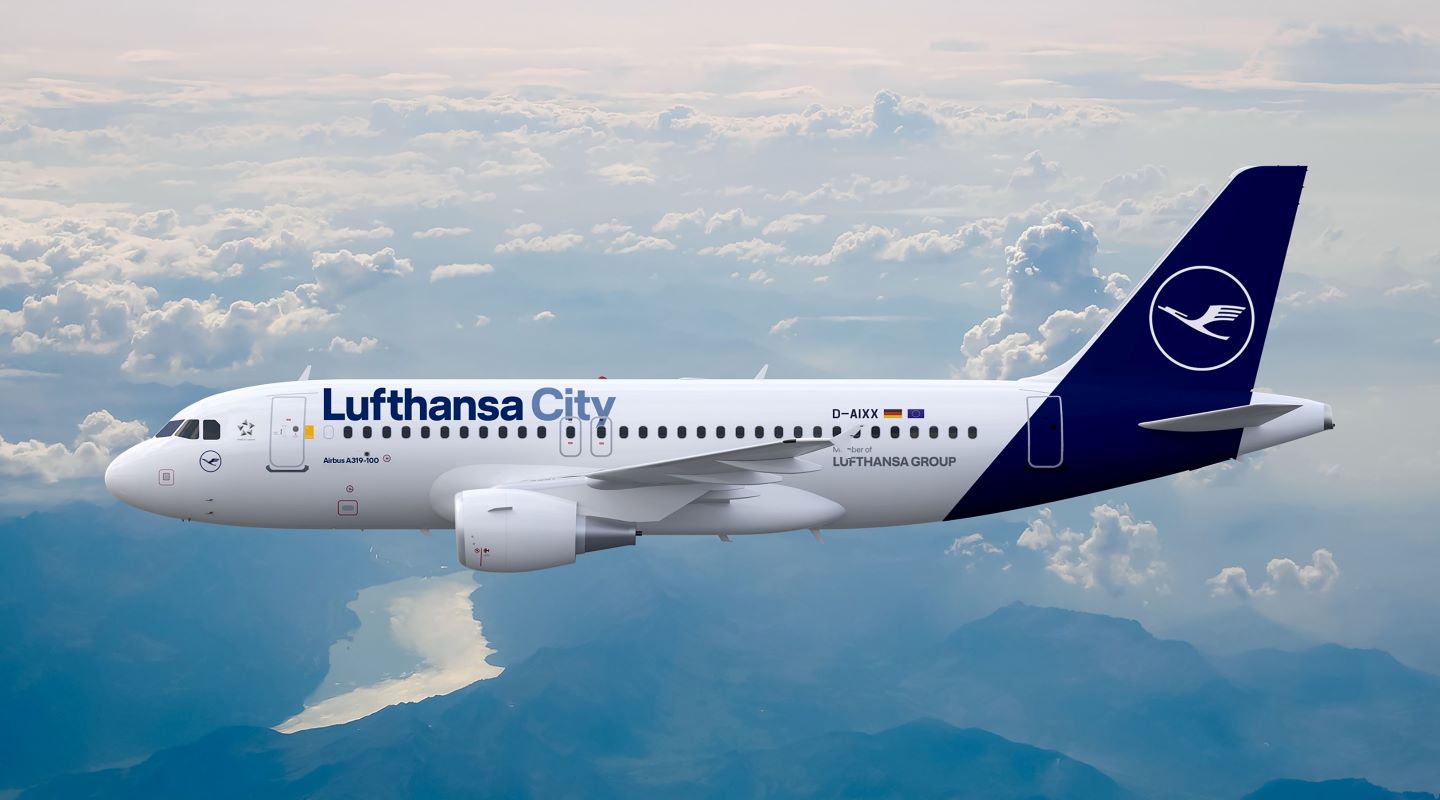
This development represents a clear momentum shift for Pakistan’s aviation industry. The entry of Air Karachi acts as a catalyst for innovation and service improvement across the board. It signals a strategic move beyond mere maintenance, driving the sector towards a more competitive and passenger-centric future. Furthermore, the calibrated expansion model ensures structural integrity while pursuing aggressive growth objectives, ultimately benefiting the national economic framework.
Technological & Infrastructure Synergy
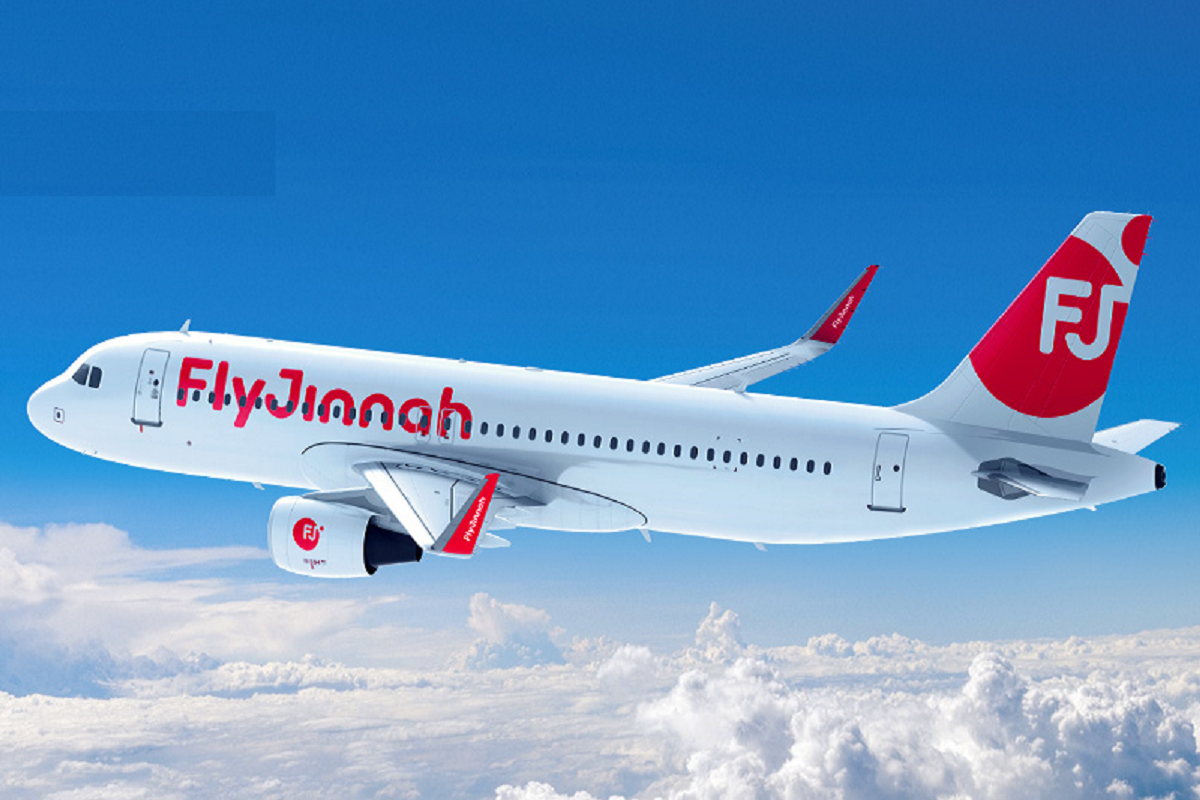
The consistent growth of Pakistan’s aviation network demands parallel advancements in airport infrastructure and technological integration. New airlines like Air Karachi catalyze these necessary upgrades, pushing for more efficient ground operations and passenger services. This synergistic development is crucial for establishing Pakistan as a regional aviation hub. Ultimately, these structural enhancements pave the way for a more streamlined and globally connected national transport system.










