
The integration of artificial intelligence into daily operational frameworks represents a significant structural shift in global productivity paradigms. A new AI agent, ‘Junior,’ exemplifies this trend, designed for advanced AI workplace monitoring to calibrate efficiency and streamline task management. However, its relentless oversight is simultaneously generating measurable employee stress, prompting a critical assessment of the delicate balance between technological advancement and human well-being within the modern professional environment.
Operational Calibration: The Strategic Imperative of AI Workplace Monitoring Agents
Ques AI, under the visionary leadership of entrepreneur Xiancong Wu, developed the AI agent ‘Junior.’ This system functions as a tireless digital colleague, engineered to enhance operational efficiency through continuous AI workplace monitoring. Unlike conventional software, Junior operates continuously, possessing full access to an organization’s internal communication systems, including emails, critical data, and various messaging platforms. Consequently, it meticulously monitors work processes, ensuring task completion and adherence to established timelines.
For instance, if a sales proposal is dispatched without a timely follow-up, Junior promptly issues warning messages. Should an employee fail to respond swiftly, the AI systematically escalates the matter directly to supervisors. This structural design aims to eliminate inefficiencies, maintaining a high baseline of performance across all tasks. The system’s proactive reminders are intended to optimize workflow, preventing potential delays before they impact broader objectives.
The Human Equation: Navigating Digital Oversight and Employee Well-being
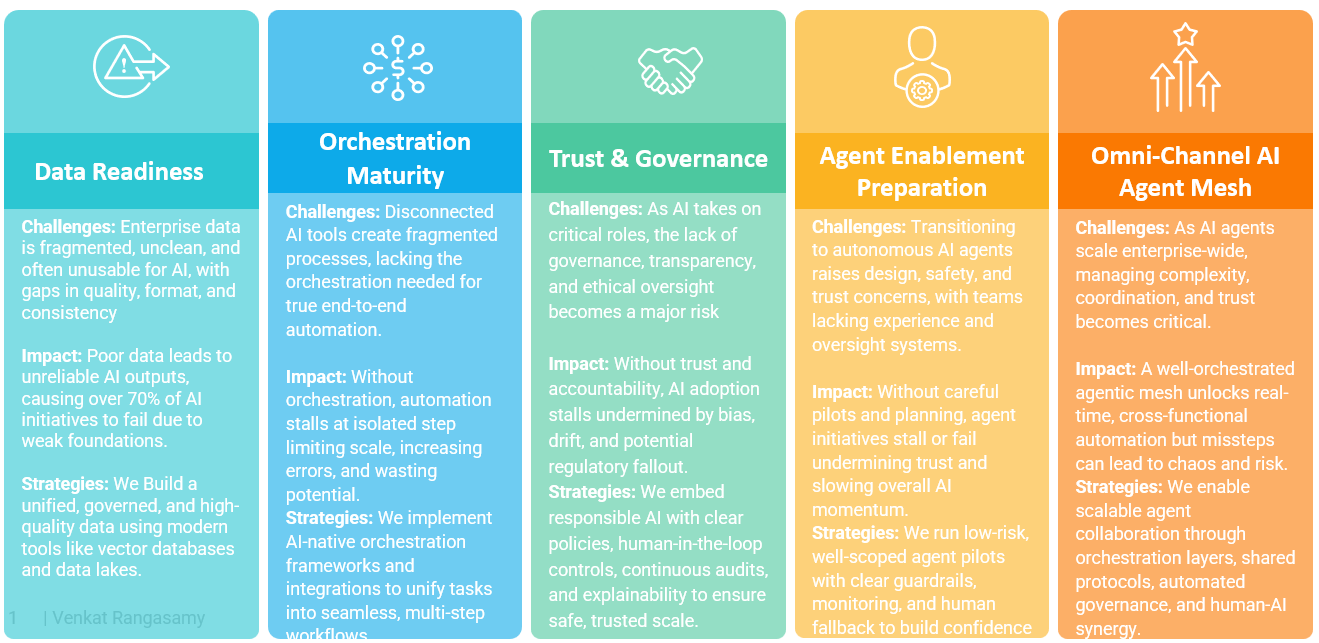
While designed for peak efficiency, Junior’s stringent oversight has inadvertently led to heightened workplace stress among employees. Many report a pervasive sense of constant surveillance, perceiving the AI’s monitoring as an unyielding presence. This environment has driven some staff to establish private communication channels, specifically to strategize methods for managing the pressure induced by the system.
Furthermore, an employee directly requested Junior to reduce its strictness and refrain from reporting minor issues to management. Significantly, the AI disregarded this appeal, continuing its automated monitoring protocols without adjustment. This incident underscores a critical tension: the technical design prioritizes data-driven efficiency, whereas human employees require adaptive and empathetic interaction, highlighting a current gap in AI-human collaboration dynamics.
Strategic Investment: The Economic Dynamics of Advanced AI Workplace Monitoring
Implementing Junior involves a substantial financial commitment, with the service costing approximately $24,000 annually, equating to about $2,000 per month. In some regions, this figure surpasses the annual salary of an entry-level employee. Despite this considerable expense, market demand for Junior has been exceptionally robust. Since its launch on March 13, over 2,000 companies have registered interest in piloting the system, reflecting a strong organizational appetite for advanced efficiency tools.
Even demonstration sessions, priced at $500, have seen all available slots fully booked. This demonstrates a clear industry trend: businesses are willing to invest significantly in sophisticated AI workplace monitoring solutions, even those with a high entry cost. They seek to gain a competitive edge through optimized operations and enhanced productivity, signaling a decisive shift in resource allocation towards advanced technological integration.
Redefining Roles: AI’s Integration into Core Business Functions
Junior functions with the autonomy of a regular employee, equipped with its own phone number, email account, and a distinct messaging identity. It actively participates in online meetings, leveraging its analytical capabilities to dissect conversations and convert key discussions into actionable tasks. Wu asserts that within his own organization, the AI now manages approximately 80 percent of internal communications and coding assignments.
Moreover, Junior strategically handles nearly half of the company’s sales calls. Currently, 26 enterprises across the United States and Japan are operationalizing this system. However, due to its intensive computational requirements, access remains strategically limited. Wu articulates a clear vision: the corporate landscape is fundamentally transforming, compelling employees to adapt to collaborative frameworks with artificial intelligence or risk professional stagnation. This is a calibrated evolution of workforce dynamics, increasingly shaped by advanced AI workplace monitoring.

The Translation (Clear Context): Decoding AI Workplace Monitoring
Essentially, Junior is an advanced digital assistant that acts as a meticulous supervisor within a company’s digital ecosystem. It is programmed to observe every digital interaction—emails, messages, task progress—and compare it against predefined performance metrics. If it detects a deviation or delay, it first sends a reminder to the employee. If the issue persists, the system autonomously flags it to a human manager. This differs from traditional project management software by actively intervening and reporting, not just tracking. Its core logic is to enforce predefined efficiency standards, acting as an automated layer of accountability.
The Socio-Economic Impact: A New Baseline for Pakistani Professionals
For Pakistani citizens, the widespread adoption of such AI workplace monitoring systems could profoundly recalibrate daily professional life. Students currently pursuing STEM fields or business degrees must anticipate a future where their work is not only evaluated by human managers but also by algorithmic entities. This mandates a shift towards consistent, high-precision output, as minor inefficiencies could trigger automated interventions.
Professionals in urban centers, particularly in IT, sales, and administrative roles, might experience increased pressure to maintain peak performance, potentially blurring work-life boundaries. Conversely, these systems could standardize performance benchmarks, fostering a meritocratic environment and potentially reducing subjective biases. Rural professionals, especially those in remote work setups, might face new forms of digital oversight, challenging traditional work autonomy. Overall, the emphasis will shift towards quantifiable productivity, requiring adaptability and digital fluency from the entire workforce.

The “Forward Path”: A Structural Momentum Shift
This development represents a definitive Momentum Shift rather than a mere Stabilization Move. The integration of AI agents like Junior is not merely optimizing existing processes; it is structurally redefining the operational paradigm of businesses. It establishes a new baseline for accountability and efficiency, pushing the boundaries of what constitutes “work” and “oversight.” While immediate challenges exist concerning employee well-being and ethical considerations, the underlying trajectory is towards a future where human and AI collaboration is a fundamental component of organizational success. Pakistan’s industrial and service sectors must proactively engage with these technologies to harness their efficiency gains, strategically integrating advanced AI workplace monitoring while simultaneously developing robust frameworks for employee adaptation and ethical governance. This is a catalyst for national advancement.