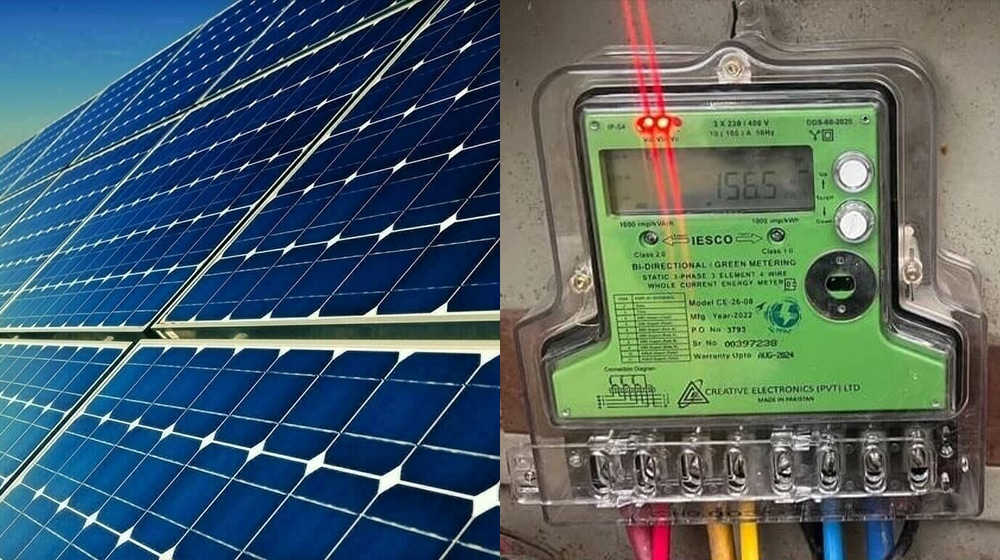
The strategic calibration of Pakistan’s energy infrastructure continues as the National Electric Power Regulatory Authority (NEPRA) has decisively retained the solar net metering policy for existing consumers. This critical announcement provides a baseline of stability amidst recent reforms, ensuring that current distributed generators maintain their contractual terms. Furthermore, NEPRA has invited public feedback on these proposed amendments, allowing a 30-day window for stakeholders to submit their input. Consequently, this move aims to balance ongoing energy sector evolution with protection for existing investments.
The Translation: Calibrating Energy Policy for Stability
NEPRA’s formal notification clarifies the regulatory stance after recent policy adjustments generated considerable public discourse. The authority explicitly stated that existing net metering consumers will remain unaffected by the new regulations. Their current agreements, including the previous billing rates and mechanisms, will remain valid until their contractual terms naturally expire. This structural safeguard ensures that prior approvals, licenses, and agreements granted under the repealed regulations continue in full effect, reflecting a disciplined approach to policy transition. Specifically, this amendment is deemed operational from February 9, 2026.

Socio-Economic Impact: Ensuring Investor Confidence and Household Stability
This decision holds significant implications for the daily lives of Pakistani citizens, particularly those who have already invested in solar energy solutions. For urban households, professionals, and small businesses, the retention of existing net metering agreements provides a crucial layer of financial predictability. It mitigates potential losses from abrupt policy shifts, thereby protecting their initial capital outlay and ensuring continued savings on electricity bills. In contrast, this stability fosters a more predictable environment for renewable energy adoption, which is vital for long-term economic planning and the national energy transition. This move, therefore, directly impacts household budgets and the viability of distributed generation as a sustainable energy solution.
The Forward Path: A Stabilization Move for Progressive Energy Adoption
From an architectural perspective, this development represents a “Stabilization Move.” While future solar connections will operate under a new framework, safeguarding existing consumers is a tactical decision to maintain investor confidence and avoid disruption. It acknowledges the significant role prosumers play in diversifying the national energy mix. Consequently, this strategic pause allows the energy sector to consolidate, gather essential stakeholder feedback, and calibrate future policy iterations with greater precision. It is a calculated step towards a more robust and equitable energy ecosystem, ensuring that the transition to renewable sources is orderly and minimizes adverse impacts on early adopters.
Structural Adjustments: Understanding the New Solar Net Metering Framework
Despite the protections for current users, the broader net metering landscape is undergoing a significant transformation. The federal government faced considerable critique following NEPRA’s introduction of reforms on February 9, which fundamentally altered the compensation mechanism for surplus solar electricity. Under this proposed framework, power utilities will purchase excess electricity from prosumers at the national average energy purchase price. Conversely, electricity supplied back to prosumers will be billed at the applicable consumer tariff. This effectively discontinues the previous one-to-one offset model, which allowed solar users to directly reduce their imported units against exported ones.
Key Alterations in the New Solar Net Metering Paradigm:
- Compensation Model: Power utilities will now purchase surplus electricity at the national average energy purchase price.
- Billing Structure: Electricity consumed from the grid will be charged at the standard consumer tariff, ending the direct offset mechanism.
- Contract Duration: The standard agreement term will be reduced from seven years to five years, renewable through mutual consent.
While existing prosumers continue under their current contracts, all future renewals and new connections will adhere to this new five-year net billing framework. This alteration significantly impacts the long-term return calculations for future solar investments. Additionally, billing adjustments will ensure that if a prosumer’s electricity supply consistently exceeds consumption from the grid, the excess will either be adjusted in subsequent bills or paid to the prosumer quarterly. This detailed framework is currently open for public consultation, emphasizing NEPRA’s calibrated approach to policy finalization.