Pakistan’s National Computer Emergency Response Team (CERT) has issued a high-severity advisory, confirming active exploitation of critical zero-day vulnerabilities impacting on-premises Ivanti mobile systems. This proactive warning underscores a significant threat to Pakistan’s digital infrastructure, necessitating immediate and precise action. These vulnerabilities permit unauthorized attackers to execute malicious code remotely without authentication, gaining complete command over affected systems. Consequently, the integrity and confidentiality of crucial mobile device data across government and enterprise networks are under direct threat.
Precision in Threat Assessment: Understanding the Ivanti Vulnerabilities
The National CERT’s advisory pinpoints critical zero-day flaws within Ivanti Endpoint Manager Mobile (EPMM) on-premises appliances. Specifically, these vulnerabilities (versions 12.5.0.0 through 12.7.0.0 and earlier) carry a severe CVSS score of 9.8. This score precisely quantifies the high risk to data confidentiality, system integrity, and operational availability. Furthermore, the Cybersecurity and Infrastructure Security Agency (CISA) has included one of these vulnerabilities in its Known Exploited Vulnerabilities catalog, confirming active real-world exploitation. This structural breakdown reveals the immediate danger posed by these compromised Ivanti mobile systems.
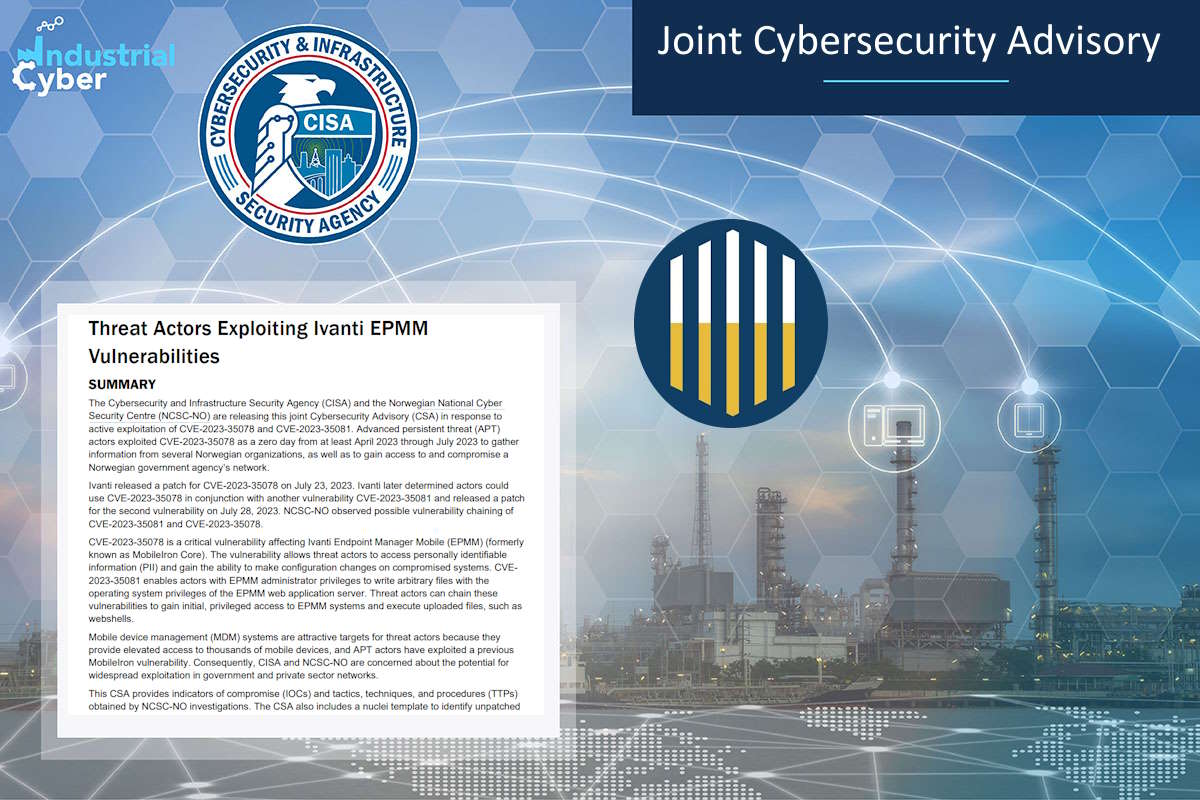
The core issue stems from improper input handling, which enables code injection. Attackers are weaponizing these exploits, installing persistent backdoors on compromised systems. Consequently, organizations must understand that these are not theoretical risks but actual, ongoing threats. Deployments, particularly in sensitive sectors, face elevated risks.

The advisory further specifies that affected products include Ivanti Endpoint Manager Mobile on-premises appliances across versions 12.5.0.0 through 12.7.0.0 and earlier releases. Conversely, other Ivanti products such as Ivanti Neurons for MDM, Ivanti Endpoint Manager, and Ivanti Sentry remain unaffected. Therefore, precise identification of the impacted systems is crucial for a calibrated response. Indicators of compromise highlighted in the advisory include suspicious web requests, unexpected command execution, unauthorized administrator account creation, changes to security policies, and the presence of unknown scripts or binaries on the appliance.
Securing Our Digital Frontier: Impact on Pakistani Citizens
This critical vulnerability directly impacts the daily lives of Pakistani citizens, particularly those interacting with government services, critical infrastructure, and large enterprises utilizing Ivanti EPMM. Successful exploitation could compromise sensitive mobile device data, ranging from personal information to transactional records. For professionals, this could mean breaches of corporate data, while students might face risks to their academic records if their institutions use affected systems. A disruption of mobile management operations could cascade into delays or failures in essential services. Imagine delays in utility payments, critical healthcare information access, or secure communication channels. Consequently, this security breach has the potential to destabilize trust in digital platforms. Ensuring the robustness of our digital infrastructure, especially regarding Ivanti mobile systems, is a baseline for maintaining public confidence in digital services.

Strategic Response: Momentum Shift or Stabilization Move?
This development represents a critical Stabilization Move. While the immediate application of Ivanti’s emergency RPM patches is mandatory and offers complete remediation, the proactive identification and public advisory by Pakistan’s National CERT are indicative of an evolving, more mature cybersecurity posture. This strategic response focuses on maintaining system integrity against emergent threats. However, the continued emergence of zero-day exploits, particularly those targeting widely deployed enterprise solutions like Ivanti products, signals a need for continuous adaptation. Organizations must transcend temporary measures and integrate robust, perpetual incident response plans. Therefore, while immediate stabilization is crucial, the long-term objective must be a continuous momentum shift towards predictive and adaptive cybersecurity frameworks. This incident serves as a catalyst for refining our digital defense architecture.
Immediate Remediation & Proactive Measures for Ivanti Mobile Systems
National CERT has directed all affected organizations to apply Ivanti’s emergency RPM patches immediately. This action is not optional; it is the only complete remediation available. Furthermore, organizations should implement:
- Network isolation for exposed systems.
- Enhanced firewall restrictions.
- Continuous monitoring for suspicious activities.
Organizations that had unpatched systems exposed are advised to assume compromise. Consequently, conducting forensic audits, restricting unnecessary external access, and activating incident response plans are paramount to prevent long-term operational, regulatory, and security impacts. This layered defense strategy ensures system resilience against vulnerabilities affecting Ivanti mobile systems.
.webp)