Calibrating Pakistan’s Digital Shield: NCERT Profiles 120 Threat Actors for Enhanced National Cyber Defense
Pakistan’s digital infrastructure faces persistent threats, necessitating a robust National Cyber Defense. In a calibrated move towards systemic resilience, the National Computer Emergency Response Team (NCERT) has meticulously profiled over 120 sophisticated hackers and Advanced Persistent Threat (APT) actors. This strategic intelligence operation is specifically designed to fortify the nation’s digital assets against sophisticated cyberattacks, marking a significant advancement in Pakistan’s proactive security posture.
The Translation: Deconstructing Cyber Adversaries
Understanding the enemy is paramount in digital warfare. Consequently, NCERT’s initiative is not merely about identifying individuals; it’s about dissecting their operational blueprints. Each of the 120+ threat actors undergoes a stringent profiling process, meticulously mapping their Tactics, Techniques, and Procedures (TTPs). Specifically, this means analyzing how adversaries operate, the unique tools they deploy, and the recurring patterns within their attacks. This deep dive into cyber forensics significantly enhances Pakistan cyber security, enabling security analysts to predict and counter future intrusions with greater precision.

Structural Vulnerabilities: Targets and Intentions
Hostile cyber groups are actively attempting to penetrate Pakistan’s most sensitive digital domains. The report explicitly details active attempts to compromise government institutions, defense networks, and other critical information infrastructure nationwide. Furthermore, these intrusions are not random acts. They are components of organized campaigns, structurally designed for espionage, unauthorized data extraction, and the disruption of key digital systems. Analysts have explicitly linked several tracked actors to state-sponsored entities or highly organized cyber groups, underscoring the systemic nature of these threats.
The Socio-Economic Impact: Securing Daily Life for Pakistanis
This enhanced National Cyber Defense directly impacts the daily lives of Pakistani citizens. For students, it means greater confidence in digital education platforms and secure access to online resources. Professionals benefit from protected data systems in finance, healthcare, and governance, ensuring operational continuity and data integrity. Furthermore, households, particularly in urban centers, rely on robust digital infrastructure for essential services, communication, and economic transactions. This proactive identification of threats safeguards these critical touchpoints, reducing the risk of service disruptions or personal data breaches that could severely impact livelihoods and national stability.
The Forward Path: Momentum Shift or Stabilization Move?
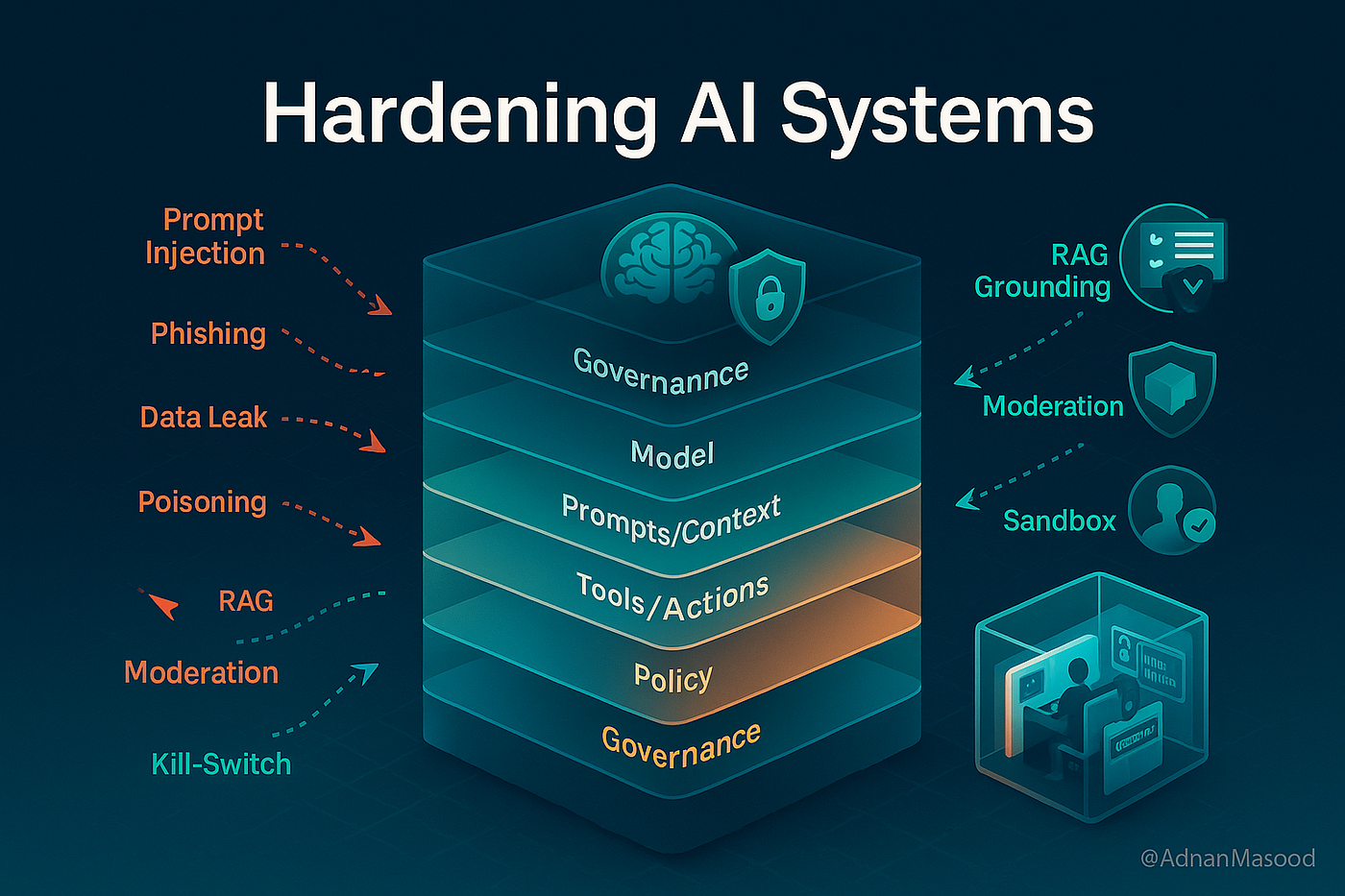
This development represents a clear Momentum Shift for Pakistan’s digital sovereignty. Profiling 120 APT actors transcends mere reactive defense; it establishes a proactive, intelligence-driven framework. NCERT’s work lays a baseline for predictive security analytics and rapid response capabilities. Consequently, this initiative transforms the nation’s stance from vulnerability management to strategic threat neutralization. Continued investment in advanced threat analysis, intelligence sharing, and continuous monitoring will be essential to sustain this trajectory against evolving cyber warfare tactics.
Building Resilience: A Strategic Imperative
The development of these detailed profiles has significantly enhanced the country’s structural ability to detect, deter, and respond to cyber threats. The NCERT document rigorously highlights the continuing necessity for advanced threat analysis, strategic intelligence sharing, and unwavering continuous monitoring. This triad of actions forms the core of an effective counter-cyber warfare strategy, protecting national security and safeguarding strategic digital assets against persistent, evolving threats. In essence, it is about building a perpetual state of vigilance and adaptability in our digital domain.