

The precise calibration of urban development against the preservation of national heritage sites presents a critical challenge for systemic advancement. This recent incident underscores a pivotal moment for Pakistan heritage loss. In Islamabad, the remains of a 16th-century Mughal-era building, believed to be the oldest historical ruin in the vicinity, have been systematically razed. This demolition follows the recent destruction of a World War I memorial nearby, both cleared to facilitate a private housing scheme. Department of Archaeology and Museums (DOAM) officials confirmed the complete obliteration of the structure, initially dating back to Emperor Akbar’s reign. This development significantly impacts the cultural landscape, highlighting a pressing need for strategic planning to prevent further Pakistan heritage loss.
Structural Imperatives: The Context of Pakistan Heritage Loss
The Translation: Unpacking the Demolition Trajectory
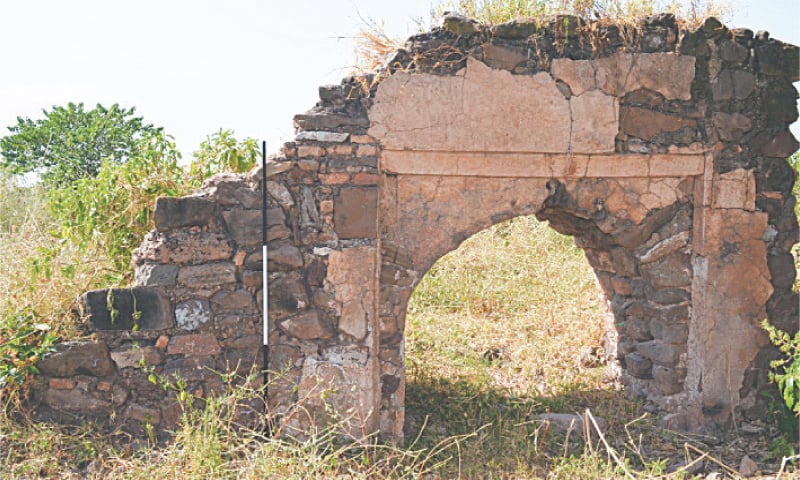
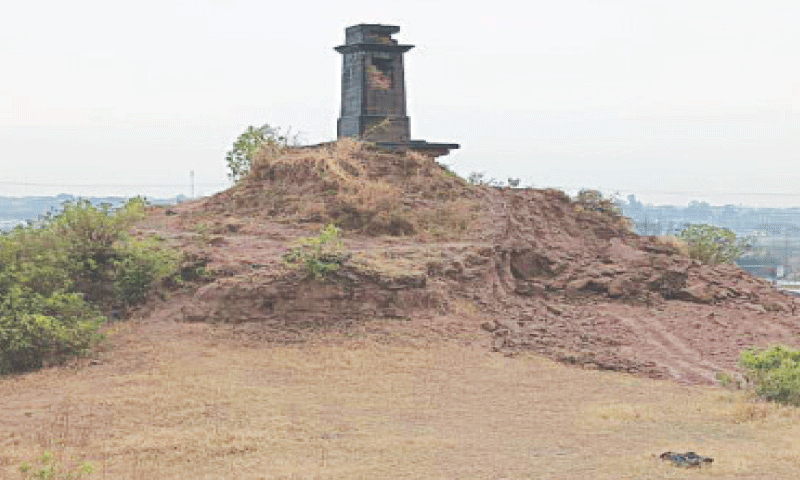
The demolition events in Islamabad signify a direct conflict between rapid urban expansion and the imperative of cultural preservation. Specifically, developers removed a 16th-century Mughal-era structure, approximately 200 meters from a British-era obelisk, following the earlier clearance of a World War I memorial. These actions were systematically executed to create space for a private housing scheme. The destroyed Mughal ruin, initially thought to be the oldest in Rehara village, featured an arch and main chamber constructed from limestone and sandstone blocks. Furthermore, Department of Archaeology and Museums (DOAM) officials, who previously documented the site, later confirmed its complete erasure, leaving no visible remnants. Consequently, this precise intervention has irreversibly altered the historical fabric of the region.
The Socio-Economic Impact: Daily Life and Future Legacies
This systematic demolition of historical landmarks profoundly impacts the daily life of a Pakistani citizen, particularly concerning cultural identity and educational opportunities. For students and researchers, the physical loss of sites like the Mughal-era ruins diminishes tangible connections to centuries of history, making historical education less experiential. Professionals in tourism and related industries face reduced potential for cultural tourism, thereby affecting local economies and job creation. Moreover, the collective sense of national identity, rooted in shared heritage, can erode when such significant structures are permanently removed. This incident serves as a critical baseline, demanding a calibrated approach to urban planning that balances progress with cultural stewardship.
The Forward Path: Momentum Shift or Stabilization Move?
This development represents a critical stabilization move, rather than a forward momentum shift. While urban development is essential, the strategic destruction of verified historical assets indicates a systemic prioritization of immediate commercial gain over long-term cultural value. A true momentum shift would integrate heritage preservation as a foundational component of urban planning, leveraging these sites for educational, cultural, and tourism benefits. Consequently, this incident highlights an urgent need for revised policy frameworks and more rigorous enforcement mechanisms to safeguard Pakistan’s irreplaceable historical architecture. Calibrated interventions are required to ensure future developments do not inadvertently erase the nation’s rich past.








