

In a strategic move towards national advancement, the National Highways & Motorway Police (NHMP) South Zone Karachi has initiated a rigorous traffic law enforcement campaign. This calibrated operation, launched under the direct orders of Additional Inspector General Munir Ahmed Sheikh, aims to systematically reduce road accidents and elevate safety standards across national highways and motorways. Over two days, the NHMP has already registered 11 First Information Reports (FIRs) and imposed more than 3,000 fines, demonstrating a firm commitment to stricter compliance and public safety.
A Systemic Shift in Traffic Law Enforcement
The Translation (Clear Context): This proactive campaign represents a baseline shift from reactive policing to a disciplined enforcement model. Historically, minor infractions might have received warnings; however, the NHMP is now applying stringent legal frameworks, registering FIRs for significant violations. This ensures that legal action follows non-compliance, thereby establishing a clearer deterrent. The campaign specifically targets common yet dangerous infractions, including driving without a valid license, operating vehicles without proper fitness certificates, route permit non-adherence, overloading, and overspeeding. Furthermore, the focus extends to public service and heavy transport vehicles due to their disproportionate risk contribution.

Bolstering Road Safety: Targeted Operations and Impact
Vehicle Compliance and Driver Responsibility
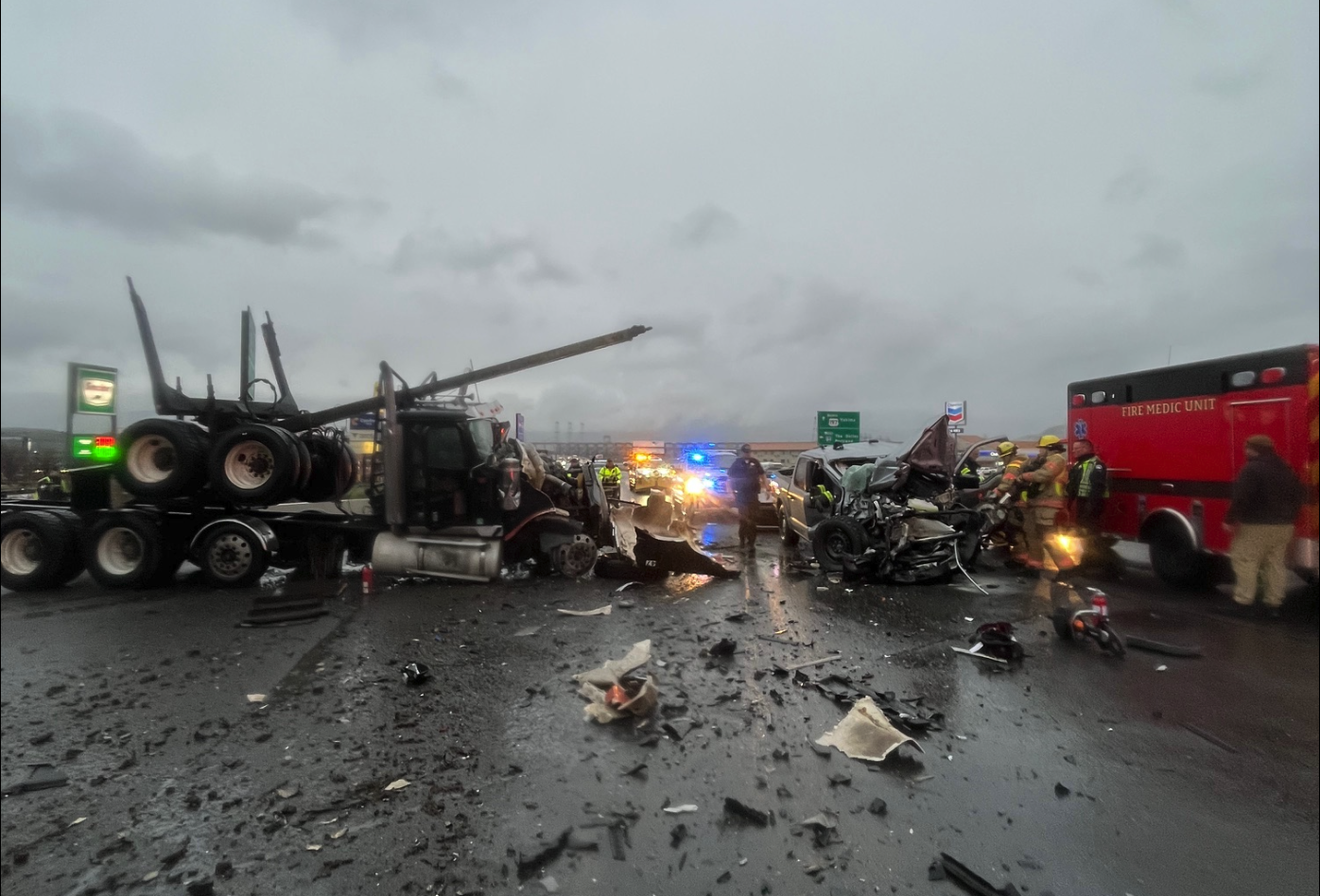
This widespread operation covers the entire South Zone, including Karachi, with a zero-tolerance policy against dangerous driving practices. Authorities are now taking immediate, decisive action against wrong-side driving. The NHMP also meticulously inspects vehicles for worn or unsafe tires, a critical factor in preventing high-speed accidents. This comprehensive approach mandates that all drivers and vehicle owners uphold their responsibility for roadworthiness and adherence to traffic statutes, significantly impacting fleet operational protocols and individual driving habits.
Prioritizing Vulnerable Road Users
Concurrently, the campaign includes a robust crackdown on motorcyclists who violate safety regulations. This specifically targets riding without helmets, one-way violations, and overloading. Consequently, these measures directly address the high incidence of motorcycle-related injuries and fatalities. The NHMP explicitly states its intent to continue registering FIRs and imposing fines without discrimination, urging all citizens to comply with traffic laws. This ensures a uniform application of regulations across all vehicle types, promoting equitable road use and safety.

The Socio-Economic Impact: Precision for Progress
How does this change the daily life of a Pakistani citizen? This intensified traffic law enforcement directly translates into tangible improvements for Pakistani citizens. For urban professionals and students, reduced accidents mean safer commutes and fewer delays, consequently increasing productivity and punctuality. Rural households, often reliant on public transport and heavy goods movement, benefit from safer journeys for their produce and family members. Moreover, a decrease in accidents alleviates the burden on public health services and reduces personal financial losses from vehicle damage or medical expenses. This structural improvement fosters a more reliable and secure transportation network for everyone.

The Forward Path: A Momentum Shift Towards Safer Highways
Opinion: This development unequivocally represents a “Momentum Shift” for Pakistan’s road safety infrastructure. The NHMP’s disciplined and strategic pivot towards rigorous enforcement and a zero-tolerance policy is a catalyst for behavioral change. By consistently applying penalties and focusing on high-risk violations, the campaign establishes a new baseline for driver accountability. This structural intervention is crucial for evolving our road networks from areas of risk to conduits of efficient, safe national progress. It is a necessary calibration for future development and a clear signal that system efficiency is paramount.









