Motorola strategically expands its device portfolio with the introduction of the Motorola 2026 Devices: the Moto G Stylus (2026) and the Moto Pad (2026). This dual launch provides consumers with an advanced stylus-equipped smartphone and a robust mid-range tablet, setting a new baseline for accessible technology. These innovations underscore a structural commitment to enhancing digital interaction and productivity across diverse user segments.
The Translation: Calibrating User Interaction
Understanding the technical specifications of these new Motorola devices reveals their core intent: to deliver refined user experiences. The integrated stylus functionality, for instance, transcends basic navigation; it offers a precision tool for creative and professional applications. Furthermore, the high-resolution displays are not merely for aesthetics but are engineered to reduce eye strain and enhance content consumption, vital for long-duration use.
Moto G Stylus 2026: Precision & Performance
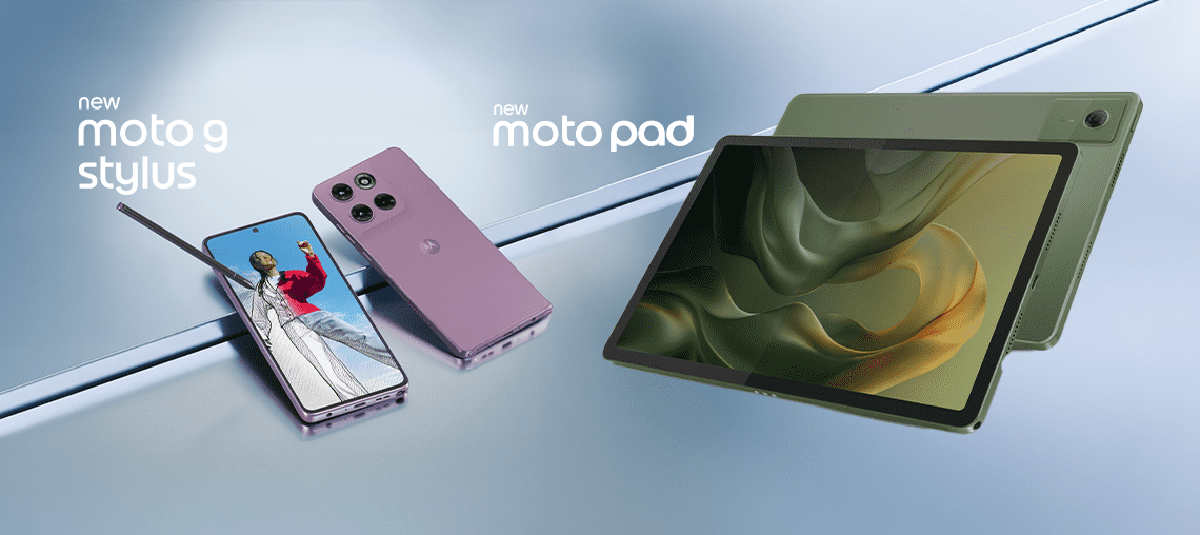
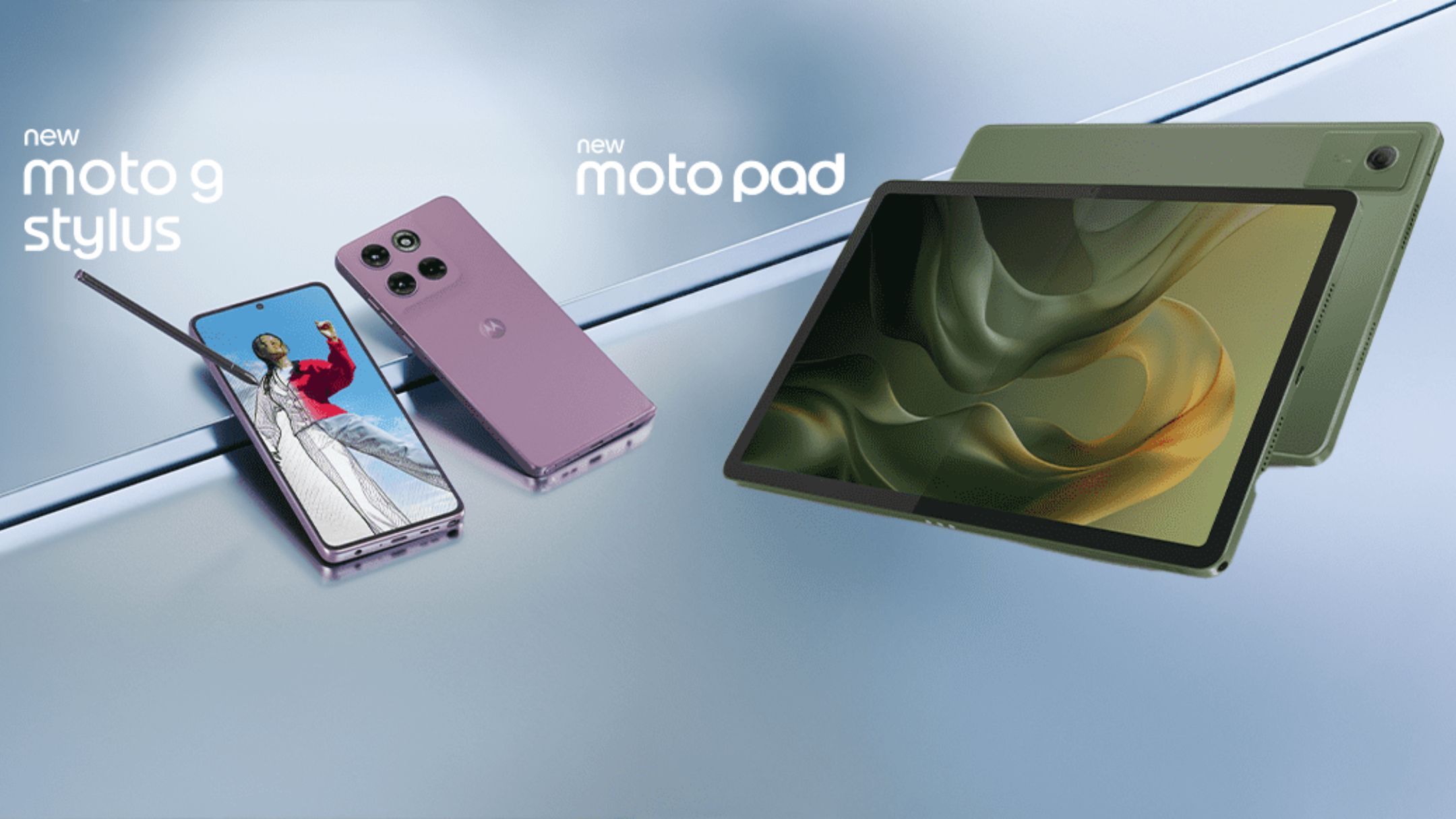
The Moto G Stylus (2026) features a striking 6.7-inch AMOLED display, delivering 1.5K resolution and a fluid 120Hz refresh rate. This panel achieves a remarkable peak brightness of 5,000 nits, ensuring exceptional visibility in various lighting conditions. Crucially, the device incorporates a built-in stylus, meticulously engineered to support tilt and pressure sensitivity. This allows for varied line thickness and shading, mimicking a natural writing experience in compatible applications. The stylus boasts an impressive 100 hours of standby time and nearly four hours of continuous writing, recharging fully in just 15 minutes.
The phone also carries IP68 and IP69 ratings for dust and water resistance, signifying its robust structural integrity. Moreover, SGS-certification further validates its durability. Available in Pantone Coal Smoke and Pantone Lavender Mist, the design offers both aesthetic appeal and practical resilience.


Moto Pad 2026: Expanding the Digital Horizon
Complementing the smartphone, the Moto Pad (2026) presents an 11-inch display with a sharp 2.5K resolution and a 90Hz refresh rate. This larger form factor is optimized for media consumption, e-learning, and collaborative work, offering a broader canvas for digital engagement. Its design is equally pragmatic, available in Pantone Bronze Green, catering to users who require both functionality and style from their tablet. This device, therefore, serves as a pivotal tool for a more expansive digital lifestyle.
Socio-Economic Impact: Empowering Pakistan’s Digital Ecosystem
The launch of these Motorola 2026 Devices, particularly within the Pakistani market, carries significant socio-economic implications. For students, the Moto G Stylus (2026) offers an invaluable tool for note-taking, digital art, and interactive learning, thereby bridging educational gaps. Professionals, conversely, can leverage both devices for enhanced productivity, streamlined workflow, and superior mobile presentations. The Moto Pad (2026), with its larger screen and robust performance, becomes a portable workstation for engineers, designers, and educators alike.
In rural Pakistan, these devices could act as catalysts for digital inclusion. Access to affordable yet powerful technology facilitates remote learning, telemedicine consultations, and improved agricultural data management. This strategic introduction provides a pathway for households to engage more deeply with the digital economy, fostering greater connectivity and economic participation. Consequently, these devices are not just gadgets; they are instruments of national advancement.

Core Systems & Connectivity: Calibrated for Modern Demands
Beneath their sleek exteriors, both new Motorola devices house meticulously selected internal components designed for optimal performance and longevity. The choice of chipsets, operating systems, and camera configurations reflects a strategic balance between power efficiency and user capability, ensuring these devices meet the dynamic demands of a connected world.
Calibrated Internals & Imaging
The Moto G Stylus (2026) operates on Android 16 and is powered by the efficient Snapdragon 6 Gen 3 SoC. This budget-friendly yet capable chipset is paired with 8GB RAM, offering smooth multitasking. Storage options include 128GB and 256GB, providing ample space for applications and media. Furthermore, its camera system is structurally advanced, featuring a 50MP main sensor (Sony Lytia 700C) with optical image stabilization, ensuring crisp, stable imagery. A 13MP ultrawide camera, complete with Macro Vision support and a 3-in-1 light sensor, dynamically adjusts exposure and color for superior photographic output. The 32MP front camera supports 4K video recording, enabling high-definition visual communication.
In contrast, the Moto Pad (2026) is driven by the MediaTek Dimensity 6300 chipset, which includes integrated 5G connectivity. This ensures rapid data transfer and consistent network performance, essential for both professional and recreational online activities. The robust processing power facilitates seamless application execution and efficient content streaming.
Optimized Power & Accessibility
Powering the Moto G Stylus (2026) is a substantial 5,200 mAh battery, supporting 68W wired charging and 15W wireless charging. Motorola’s engineering guarantees the battery maintains over 80% capacity for up to 1,600 charge cycles, extending device longevity. The Moto Pad (2026), similarly, features a 7,040 mAh battery with 20W wired charging, providing extensive operational hours for its larger display and intensive applications. These calibrated power solutions underpin the utility and sustained performance of the Motorola 2026 Devices.

The “Forward Path”: A Momentum Shift for Accessible Innovation
The introduction of the Moto G Stylus (2026) and Moto Pad (2026) represents a clear Momentum Shift for Motorola. By strategically integrating advanced features—such as stylus precision, high-refresh-rate AMOLED displays, and efficient chipsets—into a mid-range price point, Motorola is democratizing access to cutting-edge technology. This move is not merely about maintaining market share; it’s about expanding the digital frontier for a broader user base. The emphasis on durability, extended battery life, and software longevity reflects a mature product strategy designed to build trust and foster long-term user engagement. This structural advancement will undoubtedly serve as a catalyst for future innovation in the competitive mobile device landscape.
Motorola Moto G Stylus 2026: Core Technical Specifications
For a detailed technical overview, the key specifications of the Moto G Stylus (2026) are outlined below:
- Chipset: Snapdragon 6 Gen 3 (4 nm)
- CPU: Octa-core (4×2.4 GHz Cortex-A78 & 4×1.8 GHz Cortex-A55)
- GPU: Adreno 710
- OS: Android 16, with up to 2 major Android upgrades
- Supported Networks: 2G, 3G, 4G LTE, 5G
- Display: 6.7 inches, 1220 x 2712 pixels, AMOLED, 1B colors, 120Hz, HDR, 5000 nits (peak)
- RAM: 8 GB
- Storage: 128 GB, 256 GB (No card slot)
- Main Camera:
- 50 MP, f/1.8, 24mm (wide), 1/1.56″, 1.0µm, multi-directional PDAF, OIS
- 13 MP, f/2.2, 16mm, 120˚ (ultrawide), 1/3.0″, 1.12µm, PDAF
- Front Camera: 32 MP, f/2.2, 25mm (wide), 1/3.14″, 0.7µm
- Colors: Pantone Coal Smoke, Lavender Mist
- Fingerprint Sensor: Under display, optical
- Battery: 5200 mAh, 68W wired charging, 15W wireless charging
- Price: $499.99