

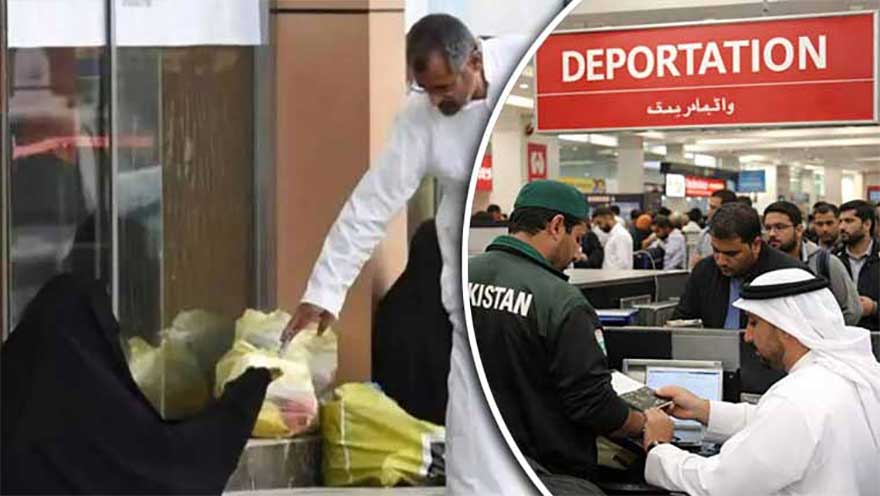
The calibrated assessment of recent data reveals a significant structural challenge for Pakistani expatriates. Specifically, over 38,000 Pakistani deportations Gulf countries in 2025 underscore a critical need for enhanced strategic compliance. This precise figure, primarily from Saudi Arabia and the UAE, signals an escalating trend demanding immediate systemic review and proactive measures to safeguard citizens working abroad.
Deconstructing the Deportation Metrics: A Structural Analysis
Understanding the Core Violations
The reported 38,000 Pakistani deportations Gulf countries are not random occurrences; consequently, they stem from a defined set of administrative and legal infractions. A majority of these cases involve visa overstays, illegal entry, or absconding from employers. Furthermore, other baseline issues include lost or fake passports, involvement in narcotics, and various legal breaches. These categories indicate a systemic breakdown in adherence to destination country regulations.
Key Contributing Factors: A Detailed Breakdown
Analysis of the contributing factors reveals a multifaceted problem. For instance, common reasons encompass:
- Visa Infractions: Overstaying, illegal entry, expired visas, or outright refusal of entry at airports.
- Administrative Breaches: Absconding from employers, lost passports, or improper documentation for births abroad.
- Criminal Offenses: Involvement in narcotics, theft, fraud, and other serious legal violations.
- Documentation Issues: Fake, forged, or damaged passports, alongside rejected asylum applications.
These precise categories emphasize the critical need for robust pre-departure briefing and continuous awareness campaigns.
Socio-Economic Resonance: Impact on Pakistani Households
The repatriation of over 38,000 citizens has a profound, cascading socio-economic impact across Pakistan. For numerous families, remittances from overseas workers form the primary financial baseline. Consequently, these deportations disrupt household incomes, potentially exacerbating poverty and debt cycles, especially in rural areas dependent on foreign earnings. Students, whose education is often funded by these remittances, face uncertain futures. Moreover, professionals planning to work abroad may perceive increased risks, leading to a cautious approach towards international employment opportunities. This situation also places a considerable burden on governmental support structures for reintegration.

The Forward Path: A Stabilization Move for Systemic Rectification
This surge in Pakistani deportations Gulf countries represents a Stabilization Move, rather than a Momentum Shift. It forces a critical re-evaluation of current systems. The data serves as a stark catalyst for Pakistan to implement more rigorous pre-departure orientations, enhance consular support, and establish clearer legal aid frameworks. Furthermore, strategic bilateral engagements with Gulf nations are essential to harmonize labor agreements and ensure transparent grievance redressal mechanisms. Proactive governmental intervention is structurally required to mitigate future recurrences and protect our workforce abroad.








