Catalyst for Regional Engagement: Pakistan India T20 Match
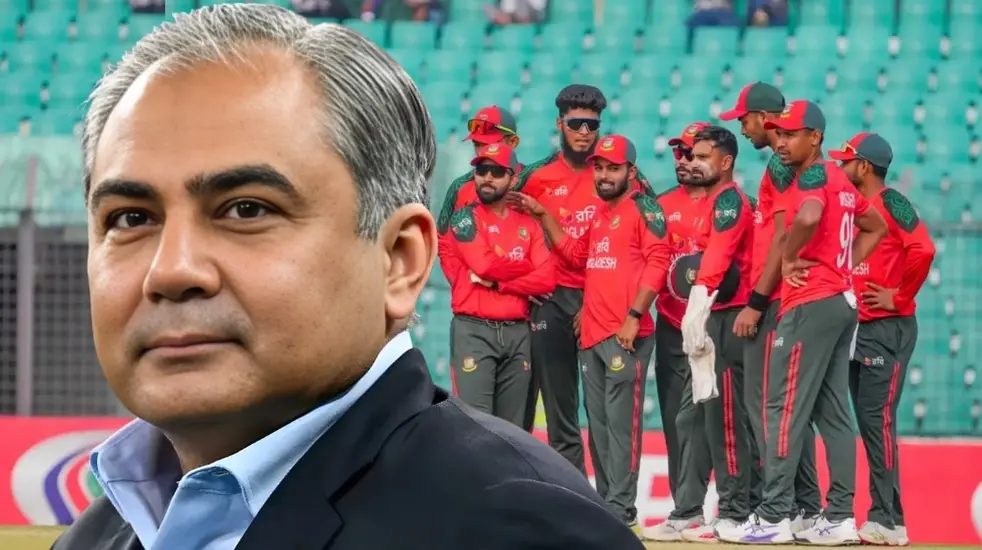
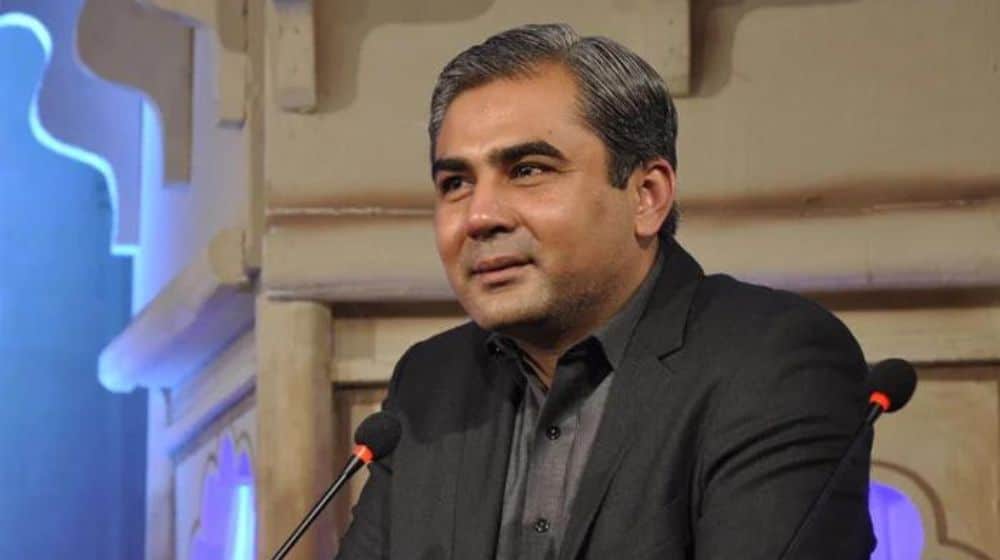
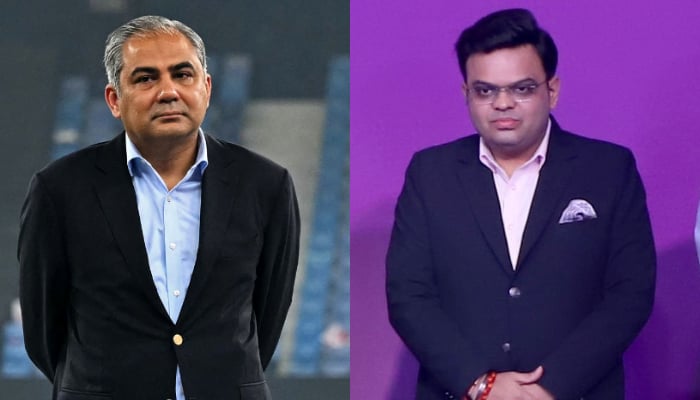
The impending T20 World Cup 2026 fixture between Pakistan and India is poised to serve as a significant platform for high-level engagement. Critically, Pakistan Cricket Board (PCB) Chairman Mohsin Naqvi and International Cricket Council (ICC) Chairman Jay Shah are anticipated to jointly observe this pivotal Pakistan India T20 clash in Colombo. This calibrated decision underscores a potential strategic shift in regional cricket administration, focusing on direct interaction during a globally televised event. Furthermore, this encounter represents not just athletic competition but a robust opportunity for diplomatic overtures within the sporting domain.
The Translation: De-risking Regional Sporting Tensions
This joint attendance by two principal figures in cricket administration translates directly into a proactive de-escalation of previous political and sporting tensions. Historically, such high-profile matches have been shadowed by geopolitical complexities. Consequently, their shared presence signals a structural commitment to fostering communication channels. This strategic convergence aims to stabilize inter-board relations, providing a baseline for future collaborative initiatives within the cricketing world. Moreover, officials from both the Board of Control for Cricket in India (BCCI) and the PCB, alongside representatives from other national boards, are also slated to attend, broadening the scope of dialogue. This collective presence notably elevates the profile of Pakistan India T20 interactions.
Socio-Economic Impact: Unifying the Pakistani Populace
For the average Pakistani citizen, this development carries substantial socio-economic implications. The highly anticipated match, transcending mere sport, acts as a powerful unifying agent. It directly impacts household morale, offering a collective national focus and a temporary respite from daily challenges. Professionals and students, particularly, experience heightened engagement and national pride, which can subtly influence productivity and social cohesion. Furthermore, the commercial importance of this fixture generates significant economic activity through viewership, advertising, and associated services, positively affecting urban and rural economies alike.
The Forward Path: A Momentum Shift Towards Collaborative Governance
This anticipated joint viewing unequivocally represents a Momentum Shift. The direct engagement between Mohsin Naqvi and Jay Shah during a critical sporting fixture moves beyond mere optics; it lays the groundwork for more fluid, collaborative governance within the Asian cricketing landscape. It signals a calibrated move towards prioritizing sporting integrity and administrative cohesion over historical divergences. This strategic pivot is a positive indicator for the future of international cricket relations involving both nations, particularly concerning the future of Pakistan India T20 series.

Anticipated Match Dynamics: High Stakes in Colombo
Tomorrow’s T20 World Cup match in Colombo carries exceptional weight. Both Pakistan and India have demonstrated strong performance, each securing victories in their initial two tournament games. Consequently, this setup establishes a highly anticipated contest where sporting prowess will be rigorously tested. The match holds immense commercial value and commands unparalleled global viewership, further amplified by the administrative presence and recent diplomatic efforts to stabilize regional sporting relations.