Mohammad Rizwan’s Unprecedented “Retired Out” in BBL
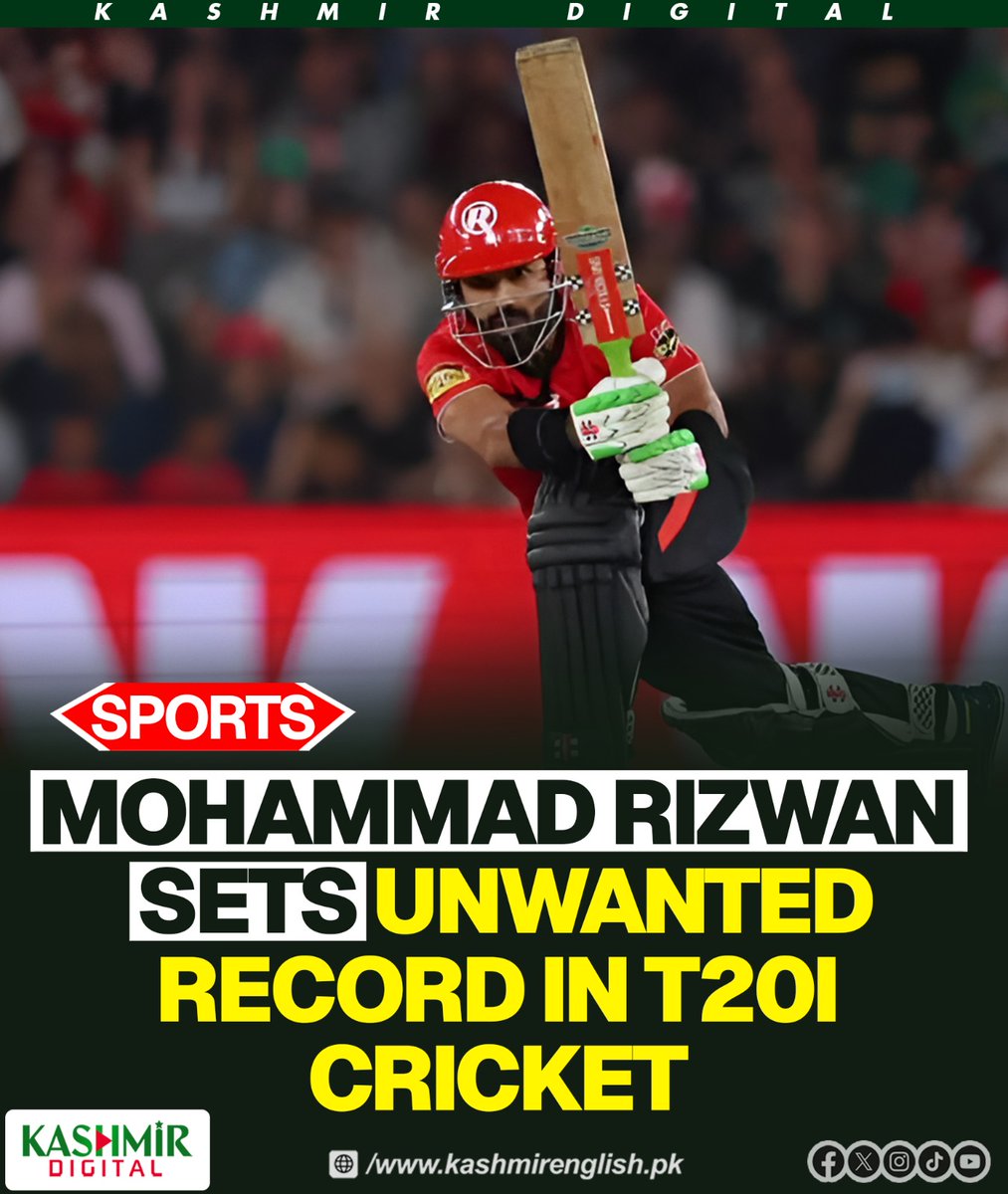
In a surprising twist within the Big Bash League (BBL), Pakistan’s renowned wicketkeeper-batter, Mohammad Rizwan, was notably retired out. This rare incident quickly etched him into the tournament’s history books for an unusual reason. Consequently, he became only the second player ever to be “retired out” in the BBL. This tactical decision immediately sparked widespread discussion among cricket fans and experts alike.

Understanding the Tactical Decision Behind Rizwan’s Dismissal
The notable event unfolded during the 33rd match of BBL 15, pitting the Melbourne Renegades against the Sydney Thunder. Specifically, in the 17.6th over of the Renegades’ innings, Rizwan was at the crease when he was called back to the dugout. Crucially, no injury was apparent. This strongly indicated a deliberate tactical move by the team management.
Their goal was to introduce a more aggressive batter for the crucial death overs. Teams often employ this strategy when a player struggles to increase the scoring rate. Therefore, bringing in a fresh batter aims to maximize the remaining deliveries effectively.
At the point of his departure, Rizwan had accumulated 26 runs from 23 balls. His innings included two fours and one six. Intriguingly, reports highlighted this as his sole six throughout BBL 15 at that time. This fact likely underpinned the strategic call to retire him out.
Will Sutherland replaced Rizwan, but the substitution did not yield the desired outcome. Sutherland faced just one delivery, scoring a single run, before being run out in a chaotic sequence. Consequently, the Melbourne Renegades concluded their innings on 17/8, eventually losing the match via the DLS Method.
Mohammad Rizwan: The Second Player to be Retired Out in BBL History
Mohammad Rizwan’s retired out dismissal places him in a unique, though perhaps undesirable, group. He joins Nic Maddinson as the only players to experience this in BBL history. Maddinson, representing Sydney Thunder, was the inaugural player to be retired out earlier in BBL 15. His dismissal occurred on January 3, 2026, during Match 21 against the Hobart Hurricanes, having scored 30 runs off 26 balls.
These two incidents underscore a growing trend. T20 cricket teams are increasingly prepared to make bold, unconventional decisions. Their primary aim is to achieve a competitive total, even if it entails sacrificing a well-set batter.
The “retired out” rule is an official part of cricket’s laws. However, it is seldom utilized. This infrequency stems from its significant impact on a player’s individual statistics and the potential for heated debate. In contrast, a “retired hurt” dismissal allows a player to return to the crease after injury. A “retired out” dismissal, however, permanently removes the batter from that innings. Consequently, this makes it a particularly high-stakes tactical gamble for any team.
The Evolving Strategy: Retire-Outs in Modern T20 Cricket
The phenomenon of retire-outs extends beyond the BBL. Since early January 2026, a significant increase in these dismissals has been observed across diverse T20 competitions worldwide. This indicates a clear strategic evolution within modern T20 cricket. Teams are now decisively prioritizing the collective scoring rate and overall momentum, often above individual batting achievements. Therefore, coaches and captains actively seek every possible advantage.
Notably, the “retired out” tactic has emerged as a potent tool to sustain aggressive intent throughout an innings. While this strategy theoretically maximizes scoring potential, it frequently ignites debate. Discussions often revolve around the spirit of the game and the delicate balance between individual performance and overarching team strategy. Nevertheless, as cricket continues its dynamic evolution, such audacious tactics may become increasingly common. Teams will persist in innovating their approaches in their relentless pursuit of T20 glory.