

Pakistan’s economic equilibrium faces a structural challenge as a projected milk price surge threatens household budgets in Karachi. Following recent petroleum price increases, dairy farmers are demanding a significant adjustment to milk rates, potentially pushing prices to Rs300 per litre. This development is a direct consequence of rising operational costs, including transportation and fodder, creating a critical inflection point for urban and rural consumers.
The Translation: Calibrating Market Dynamics
The proposed adjustment by the Dairy and Cattle Farmers Association (DCFA) is a direct response to a recalibration of input costs. Specifically, the recent fuel price hike has amplified expenses across the entire supply chain, from fodder procurement to transportation logistics. Furthermore, the existing official retail price of Rs220 per litre, contrasted with wholesale rates between Rs219–Rs222, leaves retailers with an unsustainable margin. Consequently, this narrow differential compels many to compromise on product quality or quantity, undermining market integrity. This intricate economic pressure point necessitates a strategic re-evaluation of pricing mechanisms.
The Socio-Economic Impact: Daily Life Adjustments
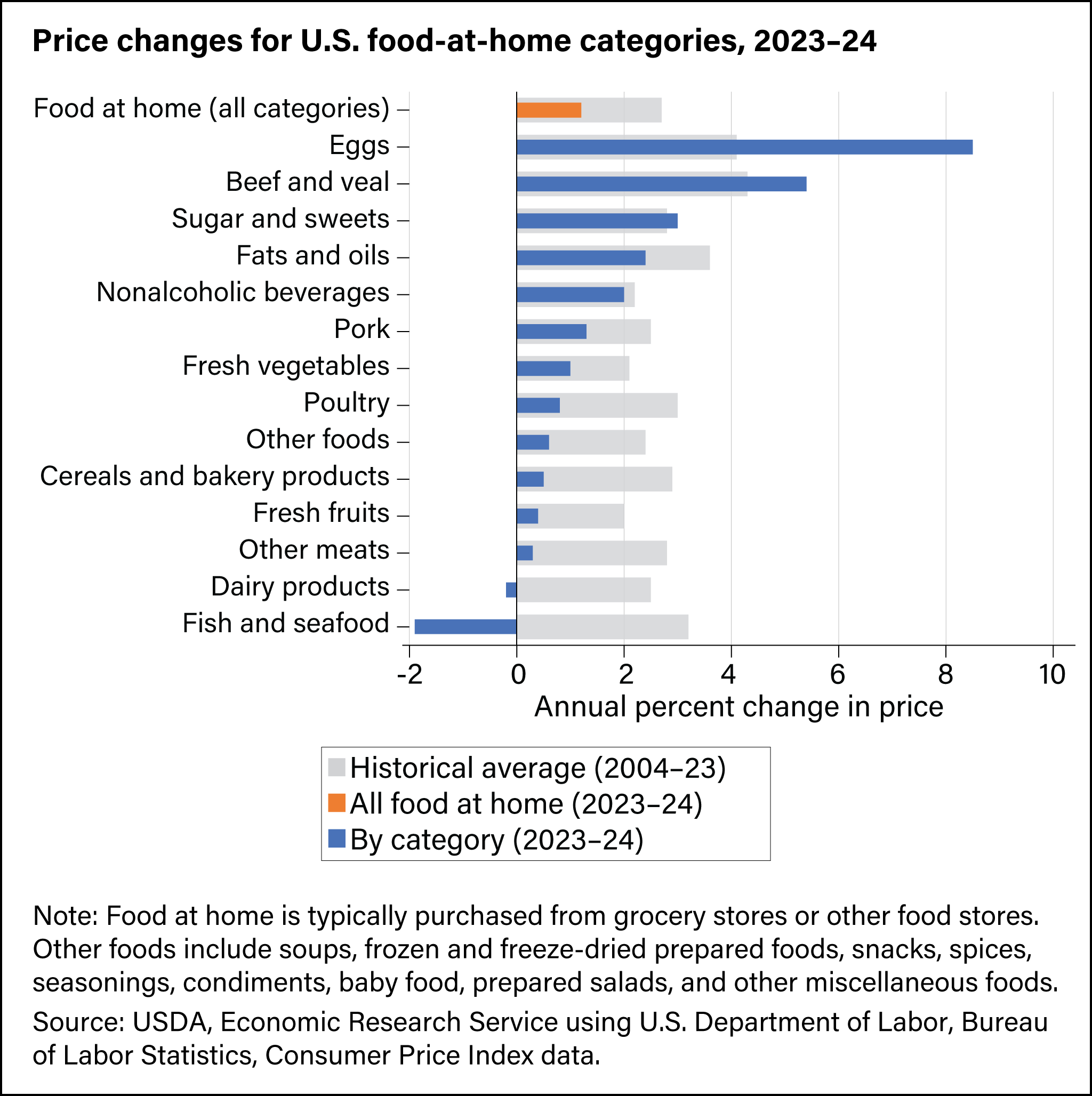
A milk price surge directly impacts the foundational stability of Pakistani households. For students, access to essential nutrition could diminish, potentially affecting academic performance and long-term health metrics. Professionals will experience a reduction in disposable income, necessitating budget reallocations from other critical areas. In rural Pakistan, where dairy farming is a primary livelihood, while producers seek fair compensation, consumers face increased costs for a staple. This situation creates a dual challenge: ensuring farmer profitability while safeguarding consumer affordability, especially for vulnerable families in both urban Karachi and remote villages. The ripple effect extends to other essential commodities, amplifying general inflation.
Structural Challenges in Transport Fares
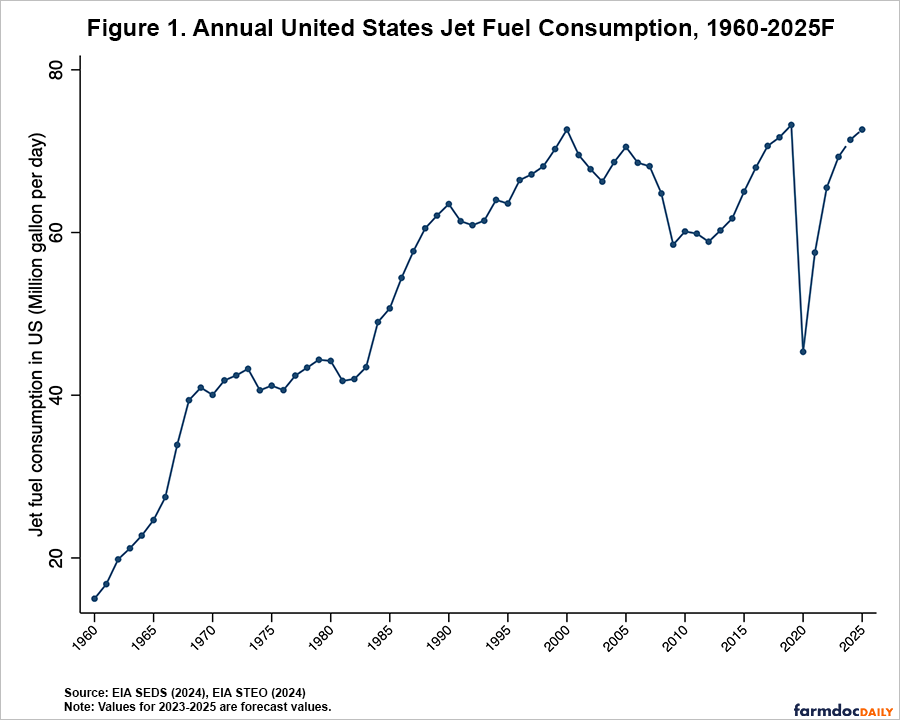
In parallel, the strategic transport network within Karachi faces similar cost pressures. Commuters report unauthorized increases in public transport fares, a direct outcome of the escalating fuel costs. Senior Minister Sharjeel Inam Memon has initiated a comprehensive review of these fares, emphasizing that only the provincial government possesses the authority to approve such adjustments. He has directed authorities to implement robust field inspections and establish an effective public complaint system. This decisive action aims to restore calibrated pricing and mitigate consumer exploitation.
The Forward Path: A Stabilization Move
This current scenario represents a ‘Stabilization Move’ rather than a ‘Momentum Shift’ for Pakistan’s economic trajectory. While the demands from dairy farmers and transporters are structurally logical given the increased input costs, the unapproved price hikes represent a systemic vulnerability. The government’s proactive stance, through the Karachi Commissioner’s warnings and the Transport Minister’s directives, indicates a commitment to baseline price stability. However, a long-term solution requires a strategic framework for adjusting essential commodity prices that accounts for fluctuating global fuel costs without disproportionately burdening citizens. A calibrated approach is essential to maintain economic equilibrium and ensure consistent access to vital goods.









