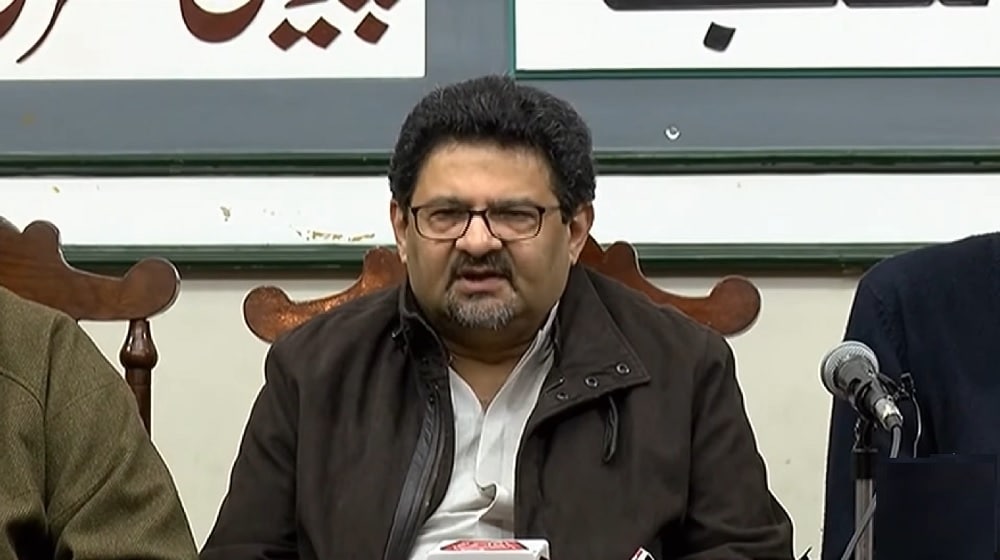
In a strategic move to optimize national resources and mitigate economic pressures, former Finance Minister Miftah Ismail has precisely articulated a proposition: the integration of ethanol blending in Pakistan‘s fuel supply. This structural adjustment offers a potential pathway to significantly reduce petrol prices, a crucial factor for national economic stability. Consequently, Ismail urges a comprehensive, calibrated evaluation of this proposal before any foundational policy implementation.
The Translation: Deconstructing Ethanol Blending for Pakistan
Ethanol blending in Pakistan involves mixing ethanol, typically derived from agricultural products like sugarcane, with gasoline. This process aims to extend fuel supply and potentially lower costs. Ismail’s suggestion is not merely a theoretical concept; rather, it’s a call for a pragmatic feasibility assessment. He emphasizes that rapid policy decisions without adequate groundwork could destabilize the energy sector. Furthermore, if ethanol production proves commercially viable, Pakistan’s sugar mills possess the inherent capacity to expand into this sector, securing an additional, sustainable revenue stream.
The impact on oil marketing companies remains contingent upon governmental policy frameworks. Specifically, the introduction of a fixed blending ratio and a transparent pricing mechanism would be pivotal. Such a structural arrangement could enable companies to source ethanol at reduced prices, thereby preserving their operational margins and contributing to overall market efficiency.
Socio-Economic Impact: Calibrating Daily Life for Pakistani Citizens
A reduction in petrol prices, driven by initiatives like ethanol blending in Pakistan, would have a profound, cascading socio-economic impact. For instance, the daily commute for millions of students and professionals in urban centers would become more affordable, directly improving household disposable income. Rural communities, heavily reliant on agricultural machinery and transport, would also experience significant relief from operational costs. This economic recalibration could stimulate small businesses, reduce inflation linked to transport, and ultimately enhance the quality of life across diverse demographics.
Lower fuel costs act as a baseline for various economic activities, from supply chain logistics to manufacturing. Therefore, this initiative is not just about fuel; it’s about establishing a more efficient economic ecosystem that directly benefits the average Pakistani household and fosters broader national advancement.
The Forward Path: A Stabilization Move Requiring Strategic Momentum
While the concept holds considerable promise, Ismail maintains a disciplined skepticism regarding immediate implementation. He points to inherent infrastructure and logistical constraints that necessitate meticulous planning. Globally, ethanol blending often becomes economically attractive when crude oil prices exceed $100 per barrel; at typical levels of $60 to $80, its economic appeal diminishes. Brazil and the United States exemplify successful models, underpinned by robust agricultural sectors and sustained policy support. Pakistan, consequently, may face structural challenges in replicating these advanced frameworks in the short term.
From an “Innovator” perspective, this development represents a “Stabilization Move.” It’s a foundational proposal aimed at creating future resilience and efficiency, rather than an immediate, transformative “Momentum Shift.” The strategic path forward demands a precise, multi-stakeholder assessment involving the Ministry of Petroleum, Pakistan State Oil, and the sugar industry. Only through such a calibrated approach can Pakistan truly unlock the potential of alternative fuel sources for national progress.