Architecting Optimal Windows 11 SSD Performance
The strategic calibration of system efficiency is paramount. Microsoft has structurally recalibrated Windows 11 SSD performance by disabling a previously available registry hack. This decision directly impacts users who leveraged the workaround for significant speed improvements, specifically through activating native NVMe support. Consequently, this move necessitates a re-evaluation of optimization strategies, though alternative methods still persist, albeit with inherent compatibility risks.
The Translation: Decoding NVMe Drive Capabilities
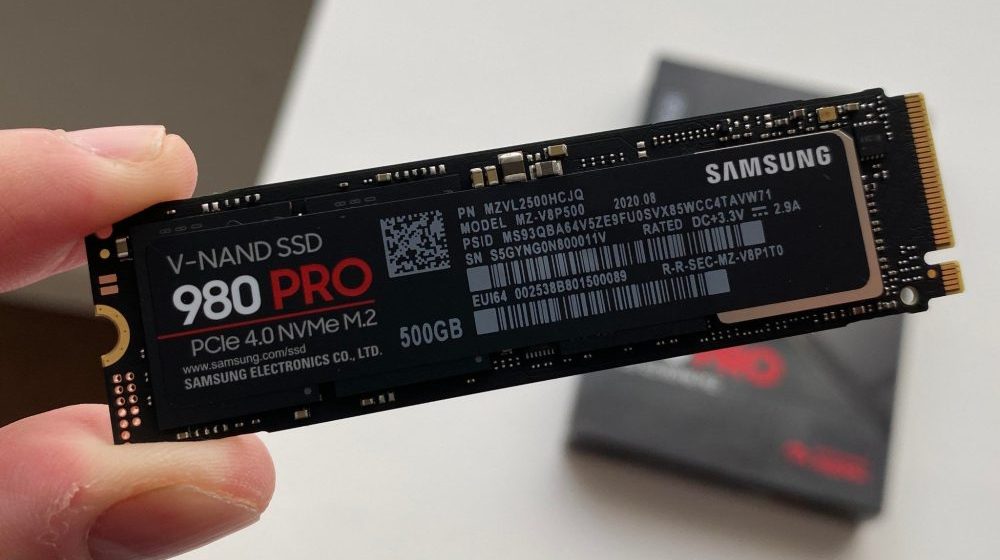
Previously, a registry-based method allowed Windows 11 users to activate a native NVMe storage stack. This stack, present but dormant in versions 24H2 and 25H2, enabled Solid State Drives (SSDs) to operate with significantly enhanced speed. The core issue lies in the legacy storage path, which routes NVMe commands through an outdated SCSI translation layer. This layer predates modern NVMe SSDs, introducing inefficiencies. The native driver, in contrast, bypasses this bottleneck, streamlining data transfer and command processing for superior NVMe drive capabilities.
The Socio-Economic Impact: Daily Life and Digital Efficiency
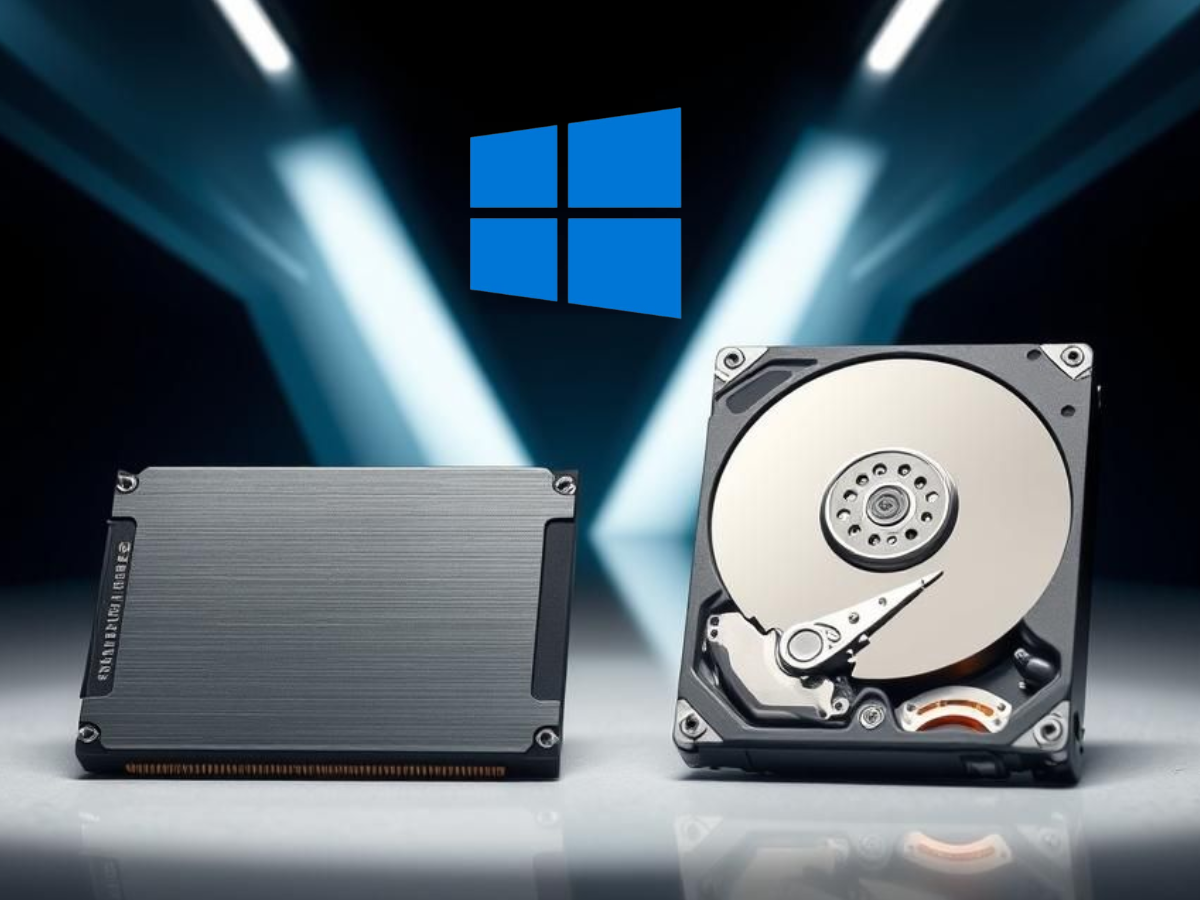
How does this development change the daily digital life of a Pakistani citizen? For students, professionals, and households, particularly in urban centers, the shift could subtly impact system responsiveness. Slower data access for large files, prolonged application loading times, or less fluid gaming experiences might become noticeable without the prior optimization. Consequently, those relying on peak Windows 11 SSD performance for intensive tasks, such as video editing or advanced simulations, will need to explore official or carefully vetted third-party solutions to maintain their productivity benchmarks. This highlights the ongoing need for accessible, efficient technology to support national advancement.
Performance Metrics: A Baseline Shift
The now-disabled tweak had delivered remarkable performance improvements. Early benchmarks reported up to 85% higher random write speeds. Furthermore, the native NVMe driver, initially introduced in Windows Server 2025, demonstrated up to 80% higher IOPS and a 45% reduction in CPU usage under heavy workloads. This data underscores the efficiency gains users were experiencing, validating the pursuit of optimized drive performance. Investigations by technology outlets like Neowin and StorageReview consistently recorded enhanced write speeds and significantly faster 4K random reads in server-side FIO benchmarks.

Navigating Compatibility and Stability Risks
However, the registry workaround was not without its structural limitations. Third-party SSD management tools, such as Samsung Magician and Western Digital Dashboard, were frequently incompatible with the native driver. More critically, in some instances, BitLocker encryption initiated recovery prompts following driver switches, posing a data access risk. These issues collectively underscore Microsoft’s rationale for disabling an unofficial feature; maintaining system integrity and user data security is a primary design objective.

The Forward Path: Stabilization Move Towards Official Integration
This development represents a Stabilization Move. Microsoft is asserting control over system architecture, likely in preparation for an official, more robust implementation of native NVMe support. While the immediate impact for some users might seem regressive, this action prevents widespread instability arising from unsupported modifications. The long-term trajectory points towards a calibrated, officially sanctioned method for enhancing Windows 11 SSD performance, ensuring both speed and paramount system security. Users can still utilize ViVeTool, a third-party utility, to activate the hidden features (IDs 60786016 and 48433719) via an elevated command prompt and system reboot. However, the same compatibility risks, especially with BitLocker, necessitate caution and prior suspension of protection.

Future Trajectory: Anticipating Official NVMe Optimization
Microsoft has yet to confirm a definitive timeline for officially enabling native NVMe support in upcoming Windows 11 versions, specifically 25H2 and 26H2. This lack of official communication underscores a strategic, phased approach to integrating performance enhancements without compromising core system stability. Pakistan’s digital infrastructure stands to benefit immensely from these future optimizations, fostering a more efficient and responsive computing environment across various sectors.