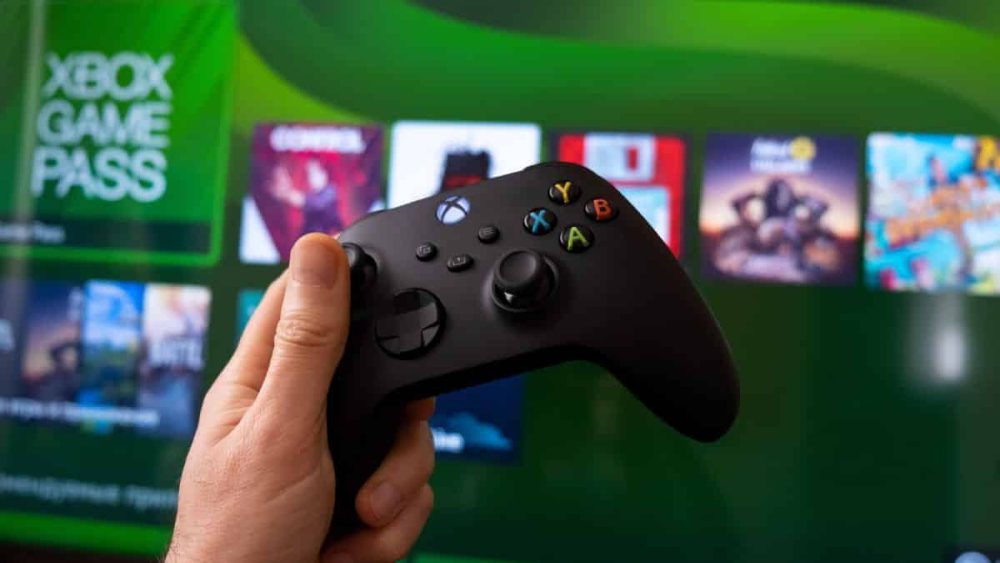
The digital gaming landscape is undergoing a significant recalibration. Recent technical indicators suggest a potential revival of Xbox Backward Compatibility, a strategic move by Microsoft that could fundamentally redefine player access to a vast library of classic titles. This development, evidenced by the brief reappearance of previously delisted Xbox 360 games on the Xbox Store, aligns with explicit statements from Xbox leadership, signaling a deliberate effort to integrate historical gaming assets into the contemporary ecosystem. This initiative represents a foundational enhancement to the gaming platform’s long-term value proposition for consumers globally.
The Translation: Decoding Microsoft’s Gaming Strategy
Understanding the implications requires a clear context. Xbox Backward Compatibility, in essence, grants newer consoles the functionality to execute software designed for older generation hardware. This capability ceased in 2021, primarily due to complex licensing agreements and technical integration hurdles. However, the recent activity suggests a profound re-evaluation of this stance. Specifically, several previously unavailable Xbox 360 titles, including Aegis Wing, Prince of Persia: The Sands of Time, Mars: War Logs, and Armed and Dangerous, momentarily resurfaced on the Xbox Store. The initial appearance of Prince of Persia, complete with its original release date and a placeholder price, strongly implies a structured testing phase rather than an isolated error. The tracking data from the Better xCloud account further validates the systemic nature of these reappearances.

Furthermore, this technical signaling is corroborated by official declarations. At the Game Developers Conference 2026 in San Francisco, Xbox Vice President Jason Ronald formally articulated the company’s intent to revitalize its backward compatibility program. He specified that new methods for playing classic games would be unveiled as part of Xbox’s 25th-anniversary commemorations later this year. This executive-level commitment precisely aligns with the observed technical anomalies, delineating a clear, impending strategic pivot.
The Socio-Economic Impact: Access and Opportunity for Pakistani Gamers
For Pakistani citizens, particularly students and professionals engaged with digital entertainment, the return of Xbox Backward Compatibility signifies a substantial enhancement in gaming accessibility and value. Historically, access to a diverse range of gaming titles could be cost-prohibitive, often requiring the purchase of multiple console generations. This strategic re-introduction democratizes access, enabling current Xbox owners to engage with a rich archive of classic games without additional hardware investment. Consequently, this lowers the barrier to entry for quality entertainment, potentially broadening the appeal of the Xbox platform across various socio-economic segments.
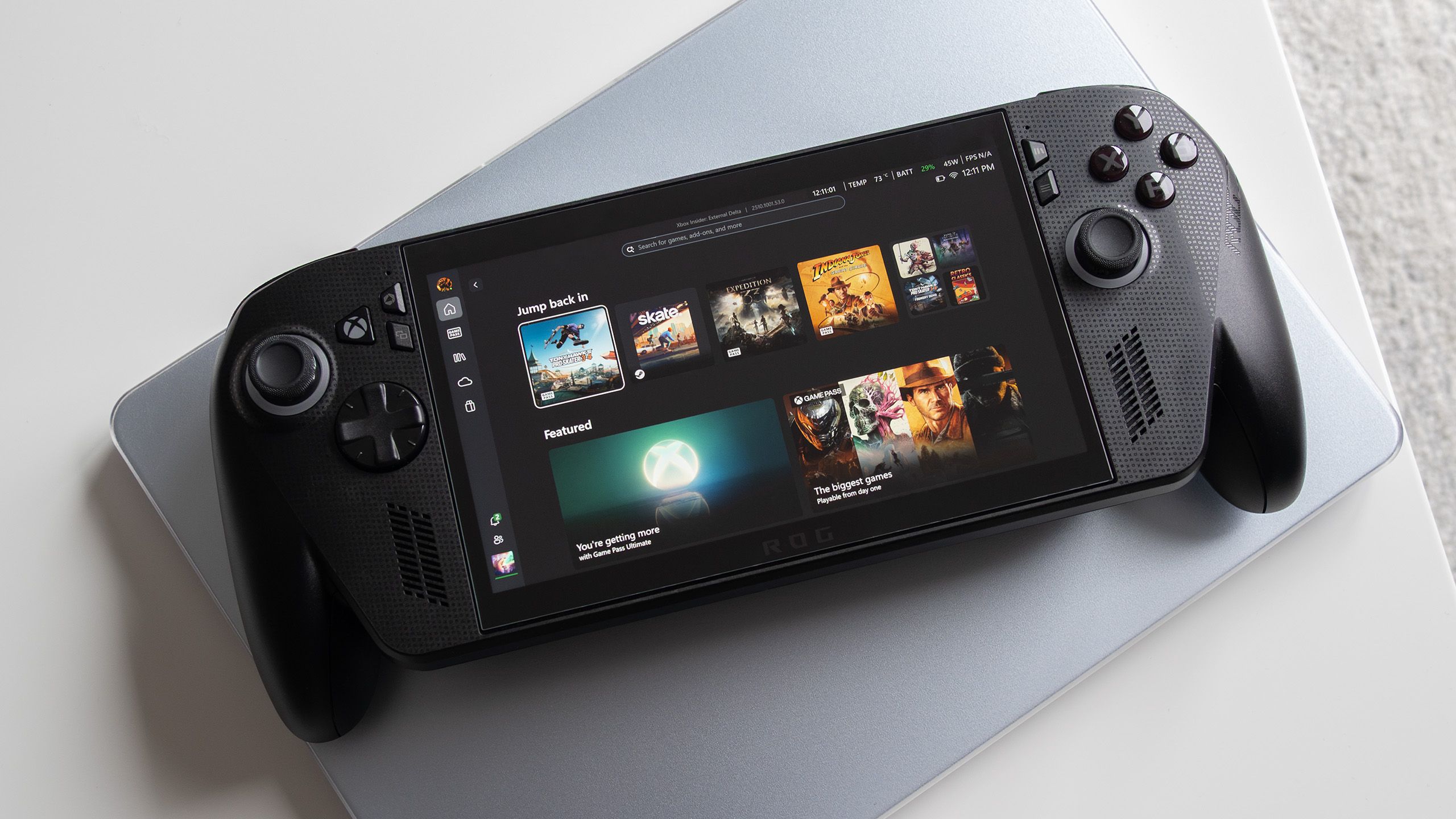
Moreover, it fosters a vital link to gaming heritage, allowing newer generations to experience titles that shaped the industry. This preservation effort can stimulate local interest in game development, inspiring young Pakistani talent by showcasing foundational works. The potential for more affordable access to a vast content library ultimately represents an economic advantage, offering more entertainment value per unit cost, which is a critical consideration for households in both urban and rural Pakistan.
The “Forward Path”: A Decisive Momentum Shift
This initiative represents a decisive Momentum Shift for the Xbox ecosystem. The company’s decision to re-engage with Xbox Backward Compatibility, following its cessation in 2021, demonstrates a strategic commitment to player-centric value and long-term content preservation. It is not merely a stabilization move; rather, it is a proactive architectural enhancement designed to fortify the platform’s appeal and longevity. By reintegrating classic titles, Microsoft is building a more robust and inclusive digital entertainment infrastructure. This move strategically positions Xbox to capture renewed interest from both veteran gamers and new audiences, consequently expanding its market footprint and reinforcing its foundational user experience.