
Optimizing National Calendar: Projecting Eid ul Fitr Date
The Pakistan Meteorological Department (PMD) has issued a critical astronomical forecast, calibrating expectations for Eid ul Fitr Pakistan in 2026. Consequently, the Shawwal crescent is not projected to be visible on the initial sighting evening, strongly suggesting a potential delay in celebrations. This precise analysis provides an early baseline for national planning and operational adjustments across various sectors. Furthermore, this forward-thinking projection aids citizens in making informed decisions regarding personal and professional commitments, underscoring a commitment to systemic efficiency.
The Translation: Deconstructing Lunar Visibility Protocols
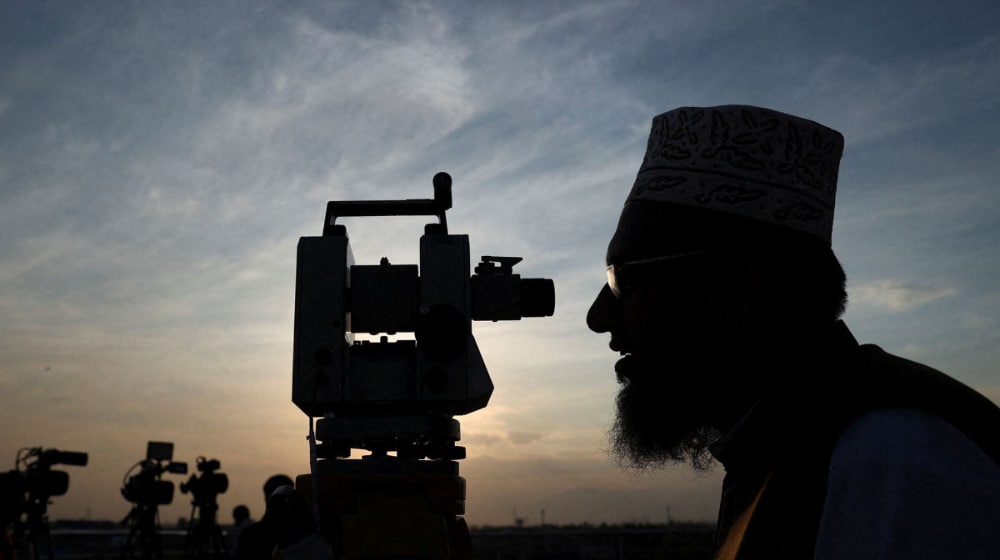
The PMD’s scientific analysis indicates the new moon of Shawwal 1447 AH will be born at 06:23 PM on March 19, 2026. However, by the evening of March 19 (29th Ramadan), the moon’s age at meteorological observatories will approximate 12 to 13 hours. Fundamentally, this duration is structurally insufficient for optimal crescent visibility, rendering a sighting on this date highly improbable. Without a confirmed sighting, Ramadan is functionally extended to a full 30-day cycle, necessitating the observation of Eid ul Fitr Pakistan after the subsequent evening’s sighting attempt. This methodological clarity ensures public awareness precedes official declarations, allowing ample time for national preparedness.
- New Moon Birth: March 19, 2026, 06:23 PM PST.
- Moon Age on March 19: Approximately 12-13 hours.
- Visibility Factor: Generally considered unfavorable for crescent sighting in Pakistan.
- Ramadan Duration: Expected to complete 30 days.
The Socio-Economic Impact: Calibrating Public and Private Sectors
A delayed Eid ul Fitr Pakistan carries tangible socio-economic ramifications for citizens. For students, this means shifted academic calendars and examination schedules. For families, travel plans and festive preparations demand immediate adjustment, impacting domestic tourism and local markets. Moreover, businesses in retail and hospitality must strategically adapt inventory and staffing. This comprehensive forecast allows for proactive organizational restructuring, ensuring minimal disruption and optimized resource allocation across the nation’s diverse economic landscape.

The Forward Path: A Stabilization Move for National Planning
This projection from the Pakistan Meteorological Department represents a Stabilization Move. It underscores the nation’s commitment to precision-driven forecasting and transparent communication, allowing citizens and institutions to make informed decisions with certainty. This calibrated approach aids in pre-empting uncertainty, ensuring cultural and economic activities align seamlessly with the definitive lunar calendar. The data supports a pragmatic stance, prioritizing accuracy over speculative pronouncements. The official announcement will ultimately be made by Pakistan’s Central Ruet-e-Hilal Committee, upholding established national protocols for crescent sighting and declaration.








