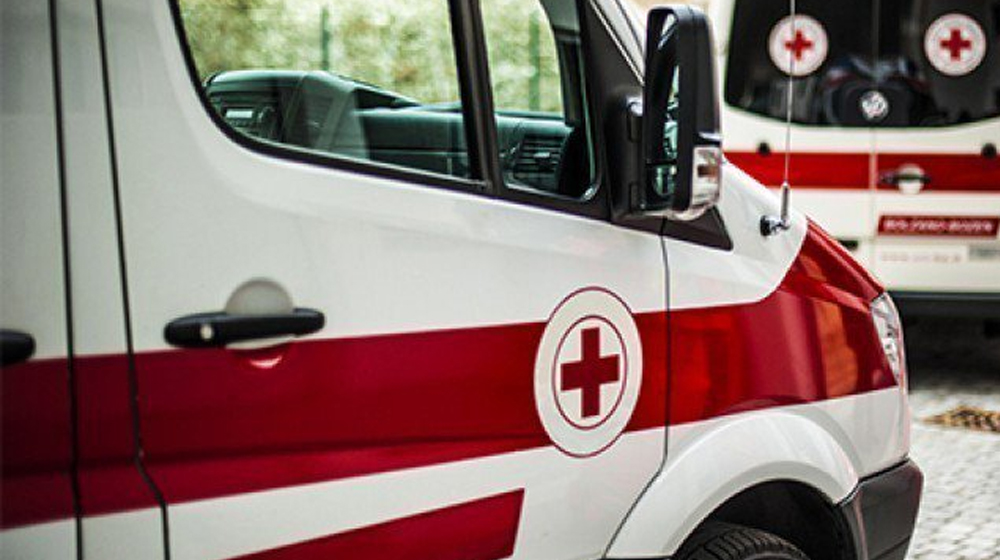
The operational integrity of Pakistan’s healthcare infrastructure is paramount for national advancement. Consequently, a recent incident at the Punjab Institute of Mental Health (PIMH) in Lahore mandates a structural review of existing ambulance security protocols. A mentally challenged patient, Rehanul Haq, absconded with an official ambulance, navigating approximately 14 kilometers to Government Shahdara Teaching Hospital while falsely claiming the role of a new Medical Superintendent. This event underscores critical vulnerabilities in patient management and vehicle security systems, demanding immediate action to reinforce public safety measures.
Understanding the Operational Breach & Fortifying Ambulance Security Protocols
This event transcends a simple security breach; it represents a systemic failure in controlled access and institutional oversight. Rehanul Haq, a patient receiving treatment in PIMH’s Special Medical Ward since 2022, leveraged a gap in security to commandeer an official emergency vehicle. Initially, his confident demeanor and use of administrative jargon allowed him to bypass immediate suspicion at the destination hospital. However, personnel quickly identified the discrepancy, noting his PIMH uniform. Police subsequently took Haq into custody, confirming PIMH’s earlier report of both the patient and the ambulance missing. This scenario reveals that standard operating procedures for patient monitoring and asset protection were demonstrably inadequate, highlighting a critical need to strengthen ambulance security protocols. Furthermore, a four-member committee, precisely led by Prof. Dr. Nauman Mazhar, has been constituted to investigate the incident and will recommend definitive measures to enhance accountability and prevent recurrence.

Socio-Economic Repercussions: Calibrating Public Trust
The direct consequence of compromised ambulance security protocols extends beyond institutional embarrassment, fundamentally impacting the daily life of a Pakistani citizen. For urban and rural households, confidence in public health facilities hinges on perceived safety and efficiency. This incident, therefore, erodes public trust, prompting questions regarding the security of vulnerable patients and the reliability of emergency services. Students aspiring for medical careers may perceive a lack of professionalism, while professionals within the sector may face increased scrutiny. The diversion of an ambulance, even temporarily, also represents a tangible resource loss, potentially delaying critical medical responses for citizens genuinely in need. Ultimately, such lapses necessitate an immediate recalibration of public health security baselines to restore citizen confidence and ensure consistent service delivery.
The Forward Path: Strengthening Future Security Baselines
This development constitutes a Stabilization Move rather than a Momentum Shift. While the immediate action of forming an investigative committee is commendable, the incident itself highlights foundational weaknesses in existing ambulance security protocols. True progress, or a “Momentum Shift,” would stem from proactive, integrated security frameworks that anticipate vulnerabilities, not merely react to them. This event serves as a critical baseline indicator for PIMH and, by extension, other healthcare institutions across Pakistan. Consequently, the recommendations from Prof. Dr. Mazhar’s committee must be robust, actionable, and swiftly implemented. This includes structural enhancements to physical security, digital tracking of assets, and comprehensive staff training on patient management protocols. Precision in policy formulation and rigorous enforcement are now imperative to prevent future compromises to public safety and institutional integrity.