Strategic Oversight Failure: Unpacking the Medical Supply Theft at PIC
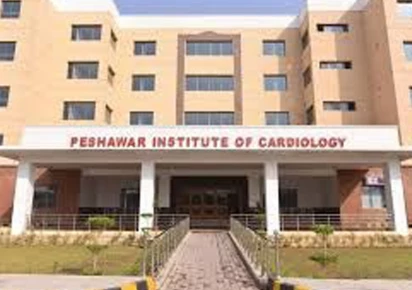
A significant breach in operational integrity has been identified at the Peshawar Institute of Cardiology (PIC), where authorities uncovered a substantial medical supply theft exceeding Rs45 million from the central store. This incident, brought to light during routine stock verification, underscores the critical need for enhanced security protocols within public health institutions. Swift administrative and legal actions are now underway to address this systemic vulnerability and restore trust in the healthcare supply chain.
The Translation: Deconstructing the Operational Lapse
This incident transcends a simple theft; it represents a calculated exploitation of supply chain weaknesses. High-value disposable medical items crucial for cardiac treatments, including angioplasty procedures, were systematically removed. Preliminary estimates indicate a loss of approximately Rs4.5 crore, with detailed audits expected to finalize this critical figure. The perpetrators allegedly opened sealed boxes, extracted expensive items like stents, and then meticulously resealed packages to evade immediate detection, indicating a sophisticated, internal operation.
Socio-Economic Impact: Repercussions for Pakistani Citizens
The medical supply theft directly impacts the operational efficiency of a vital cardiac care facility. Consequently, this security breach could lead to delayed procedures, increased costs, or compromised care quality for patients across Khyber Pakhtunkhwa and neighboring regions who rely on PIC. For the average Pakistani household, especially those facing critical health issues, such incidents erode confidence in public services and may impose unforeseen financial burdens if specialized equipment becomes scarce or more expensive. This situation demands immediate and precise intervention to safeguard public health assets.

The Forward Path: A Call for Structural Reinforcement
This development represents a Stabilization Move, not a Momentum Shift. While the immediate response—including the registration of a First Information Report, the formation of an inquiry committee, and the suspension and arrest of four store employees—demonstrates accountability, the root cause lies in inadequate baseline security. The hospital has announced intentions to strengthen store management and monitoring systems, which is a necessary step. However, a broader, strategically calibrated review of supply chain integrity across all public healthcare institutions is imperative to prevent future recurrences and ensure the uninterrupted delivery of critical care.

Enhanced Accountability: Next Steps for Healthcare System Integrity
Hospital spokesperson Rafaqat Anjum confirmed the dismissal of implicated employees, emphasizing that strict legal action will follow the conclusion of investigations. Crucially, patient care services remain unaffected at present. Nevertheless, investigations are ongoing to recover the stolen equipment and identify all involved parties, potentially including external networks. Furthermore, this incident highlights persistent challenges regarding accountability within public healthcare institutions, necessitating a comprehensive framework for transparent oversight and resource management. The severity of this medical supply theft mandates a robust response.

To prevent future vulnerabilities, PIC has initiated steps to fortify its store management and monitoring systems. Officials are meticulously working to identify all individuals involved and recover the lost assets. Consequently, this incident serves as a catalyst for a more robust approach to operational security and internal controls, aiming to prevent any future compromise of vital healthcare resources that are essential for national health advancement.