Architecting Modern Cricket: The 2026 Law Recalibration
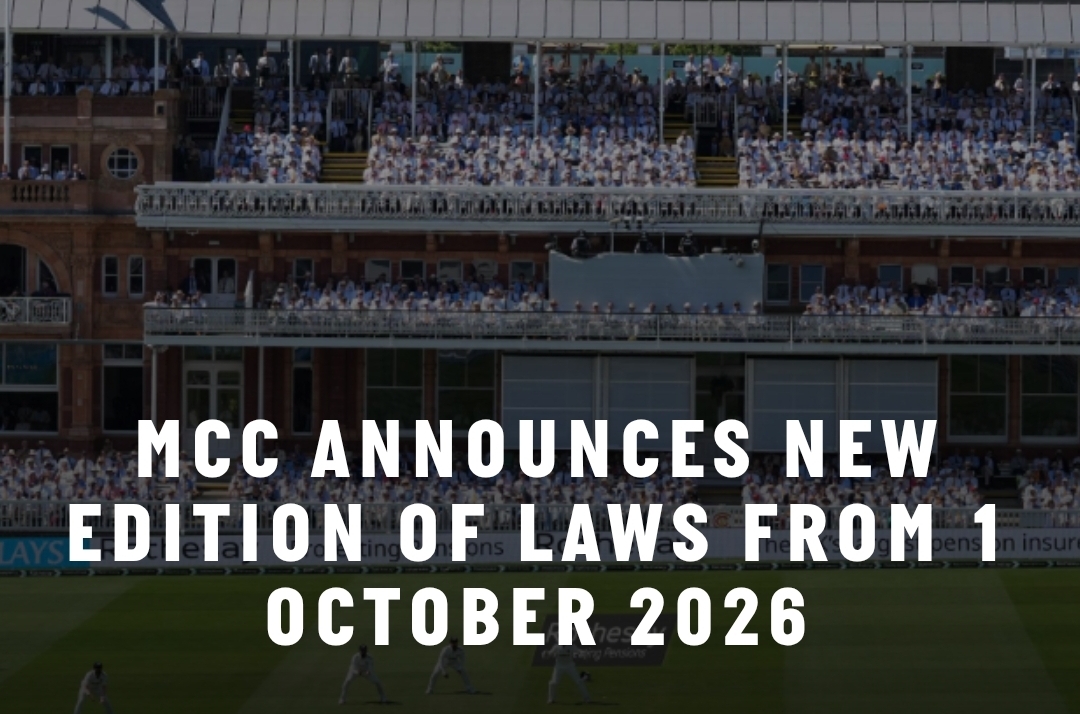
Pakistan’s cricketing landscape will undergo a structural recalibration as the Marylebone Cricket Club (MCC) enacts 73 significant cricket law changes, effective October 1, 2026. This fourth update under the 2017 Code aims to enhance system efficiency and ensure global relevance for players at all levels. These strategic adjustments, communicated proactively, provide a critical window for players and officials to integrate the revised protocols, fostering a more equitable and dynamic playing environment.
The Translation: Decoding the Strategic Cricket Law Changes
The MCC’s comprehensive revision introduces specific adjustments across various game facets. For instance, laminated bats, previously restricted to junior play, now gain approval for open-age cricket. This calibrated decision, following extensive research, directly addresses the escalating costs associated with cricketing equipment, promoting broader participation.

Furthermore, new size and weight limits for cricket balls, particularly for women’s and junior categories, represent a crucial adaptation. These updates emerged from direct consultation with current and former women cricketers, ensuring practical and inclusive reforms.

Calibrating Test Match Dynamics: The Final Over Mandate
A major structural adjustment concerns Test cricket’s final over of the day. Previously, play could conclude prematurely if a wicket fell near stumps. From October 2026, the full over must be completed. This implies a new batter may face remaining deliveries on the same day. The MCC determined the earlier rule conferred an unfair advantage upon the batting side, thus necessitating this precision adjustment for balance.
Enhancing Precision: Overthrows and Fair Play
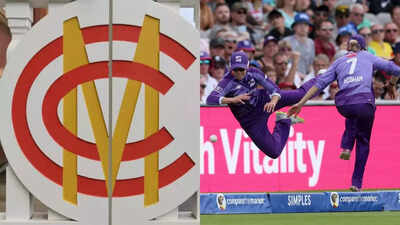
The Laws relating to overthrows have also undergone significant linguistic revision to improve clarity. The updated wording precisely defines both an overthrow and a misfield. This structural improvement assists umpires in making more consistent decisions, particularly in high-stakes boundary situations. Consequently, ambiguity is reduced, fostering a more equitable playing field.

Several other updates focus on clearer definitions of Dead ball, No ball, Wide, short runs, obstruction, catches, hit wicket, LBW decisions, and player conduct. The MCC states these modifications primarily aim to reduce confusion and promote fairness for both players and officials, thereby elevating the overall integrity of the game.

The Socio-Economic Impact: Cricket’s Reach in Pakistan
These cricket law changes will directly impact Pakistani citizens, from aspiring students in local academies to professionals on the national circuit. The approval of laminated bats offers an economic advantage, potentially reducing the financial barrier for families supporting young cricketers. Consequently, more talented individuals from diverse socio-economic backgrounds may access and excel in the sport. For professional players, understanding these refined rules, such as the mandatory completion of the final over in Test cricket, becomes paramount for strategic game planning. This fosters a more competitive and disciplined approach to play, benefiting both athletes and the discerning Pakistani audience.

The Forward Path: A Momentum Shift for Cricket’s Future
This comprehensive overhaul by the MCC represents a decisive Momentum Shift for global cricket. The proactive engagement with player feedback, especially from women cricketers, and the strategic focus on reducing equipment costs, indicates a forward-thinking approach. While specific adjustments like the mandatory completion of the final over in Test cricket aim for stabilization by addressing perceived unfair advantages, the overarching theme is one of progressive evolution. These calibrated changes are poised to ensure cricket remains a dynamic and accessible sport for future generations.
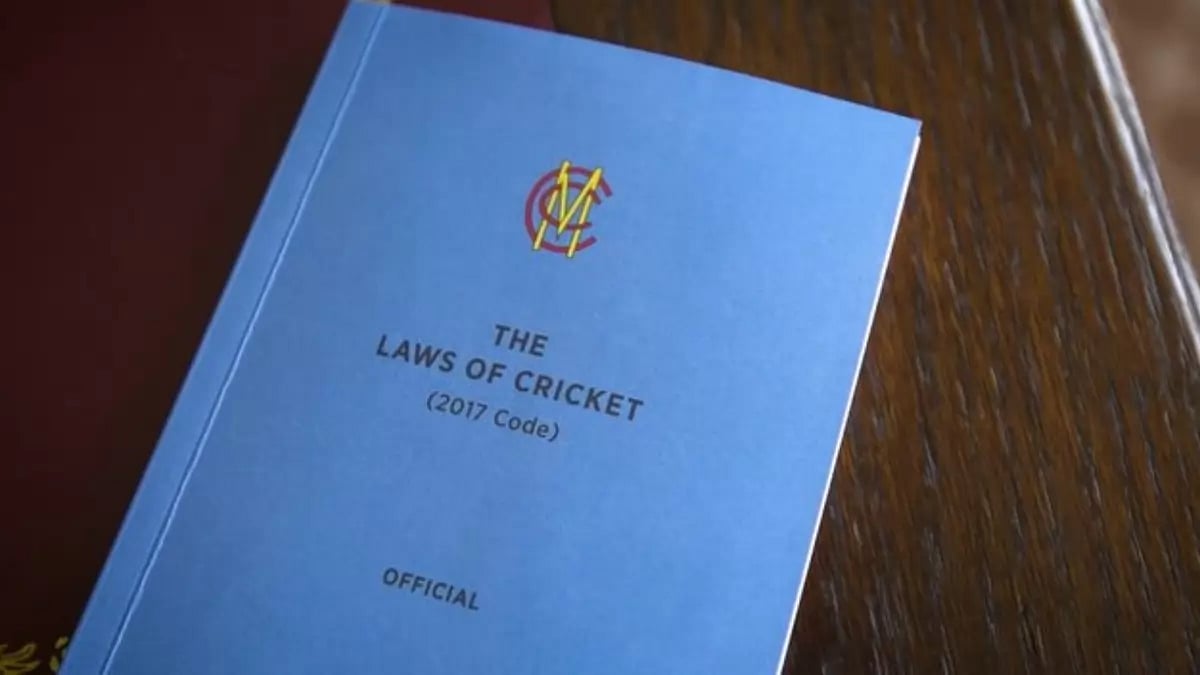
The full 2026 edition of the Laws of Cricket, alongside a detailed enumeration of all 73 modifications, is now available for precise review on the official MCC website. This transparency ensures all stakeholders can prepare effectively for the upcoming implementation.