
Karachi Waste Crisis: Uncollected Garbage Sparks Public Outrage
Massive garbage heaps recently accumulated outside the Karachi Metropolitan Corporation (KMC) headquarters. This incident sparked widespread public outrage, casting a harsh spotlight on Karachi’s persistent waste crisis. The situation intensified when the Sindh Solid Waste Management Board (SSWMB) claimed to have resolved the issue. However, their “after” photo only triggered greater public backlash, fueling skepticism about their cleanup efforts. This visibly challenged the authenticity of their claims, leaving citizens frustrated.

The Incident Unfolds: A Superficial “Resolution”
Initially, a widely circulated complaint on social media platform X (formerly Twitter) highlighted the alarming cleanliness around the KMC headquarters. These images quickly went viral, prompting the SSWMB to promise immediate action. Subsequently, the SSWMB posted an update, declaring the complaint “resolved” and expressing gratitude. Nevertheless, the accompanying “after” photo painted a starkly different picture.
The image depicted merely a patchy, superficial attempt at waste removal. Significant amounts of litter and muck remained visible along the roadside. This suggested a cosmetic “fix” rather than a comprehensive sanitation drive. Consequently, this apparent discrepancy between official claims and visible reality further fueled public frustration, leading to accusations of inefficiency and a lack of genuine commitment.
Eroding Public Trust Amidst Recurring Waste Problems
The SSWMB’s poorly received “resolution” intensified public criticism. Many social media users questioned the very definition of “resolved” when substantial waste continued to blight the area. Furthermore, this incident underscored a broader issue: the eroding public trust in municipal bodies. Citizens increasingly feel their grievances receive token gestures instead of substantive solutions.
Comments flooded in, emphasizing frustration over recurring waste problems and the perceived incompetence of waste management authorities. This widespread outrage transcends a single pile of garbage. Instead, it reflects deep-seated concerns about systemic failures plaguing Karachi’s urban infrastructure and its residents’ quality of life. Ultimately, the public expects effective, transparent, and sustainable waste management, not temporary clean-ups that fall short of expectations.
Understanding Karachi’s Persistent Waste Challenge
The KMC incident perfectly illustrates Karachi’s monumental and long-standing waste crisis. As a sprawling metropolis, Karachi generates an estimated 14,800 tonnes of solid waste daily, according to World Bank data. Managing such a colossal volume demands robust infrastructure, efficient collection systems, and stringent enforcement. Unfortunately, these elements are consistently reported as deficient across many parts of the city.
Residents in numerous neighborhoods frequently report several critical issues. These include:
- Overflowing trash points
- Inconsistent waste collection schedules
- A noticeable absence of effective municipal oversight
These challenges contribute significantly to environmental degradation, public health risks, and a decline in urban aesthetics. Clearly, the current infrastructure struggles to keep pace with rapid urbanization and population growth.

Health and Environmental Impacts of Unmanaged Waste
Unchecked garbage accumulation poses severe health and environmental hazards for Karachi’s population. Heaps of uncollected waste become breeding grounds for disease-carrying vectors. For instance, mosquitoes, flies, and rodents thrive in such conditions. Consequently, this increases the risk of outbreaks for diseases like dengue, malaria, and cholera.
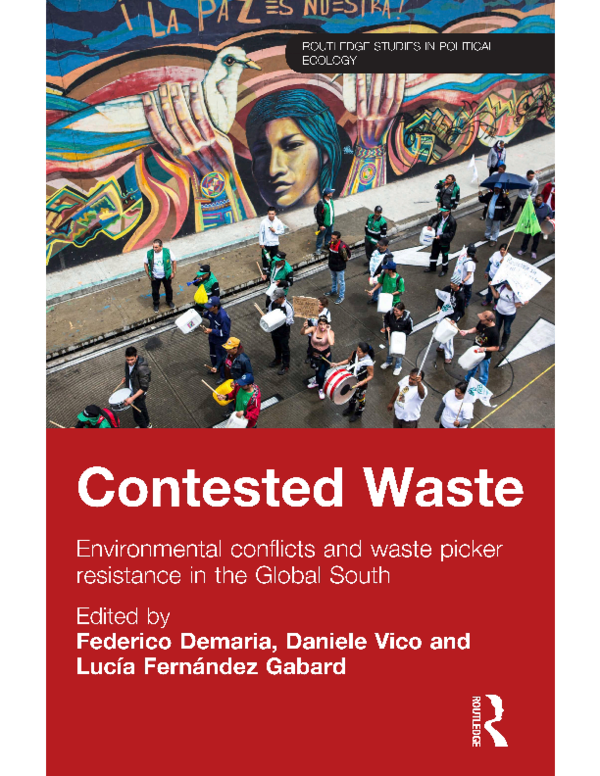
Furthermore, decomposing organic waste releases harmful gases. This contributes to air pollution and creates unpleasant odors, significantly diminishing residents’ quality of life in affected areas. Improper waste disposal, including open burning and dumping in informal sites, contaminates vital soil and water sources. This not only harms ecosystems but also threatens the safety of drinking water and agricultural produce. Studies highlight the environmental conflicts arising from such practices, underscoring the urgent need for a holistic and sustainable approach.
Sustainable Solutions for Karachi’s Waste Management
Addressing Karachi’s ongoing waste crisis requires a multi-faceted approach. Firstly, modernizing and expanding the city’s waste collection and disposal infrastructure is crucial. This involves:
- Increasing the number of collection points
- Ensuring regular and efficient collection schedules
- Investing in advanced waste processing technologies, such as recycling and waste-to-energy plants
Secondly, stronger municipal enforcement and accountability are equally vital. Authorities like KMC and SSWMB must transparently report on their activities. They need to engage with citizens and address complaints with genuine, lasting solutions, moving beyond superficial clean-ups. Moreover, public-private partnerships can introduce expertise and resources to tackle the problem’s massive scale. Finally, citizen participation, through proper waste segregation at the source and responsible disposal, remains essential for any successful waste management strategy.

Conclusion: A Call for Genuine Action on Waste Management
The recent public outcry over garbage outside the KMC headquarters serves as a powerful reminder. Karachi’s residents are no longer willing to tolerate inadequate waste management. This incident is a resounding call for genuine action, transparency, and a fundamental shift towards sustainable practices. The city’s future, its public health, and its environmental integrity depend on a concerted effort from all stakeholders—government, private sector, and citizens. Together, they must transform Karachi from a city battling mountains of waste into a model of urban cleanliness and sustainability.








