
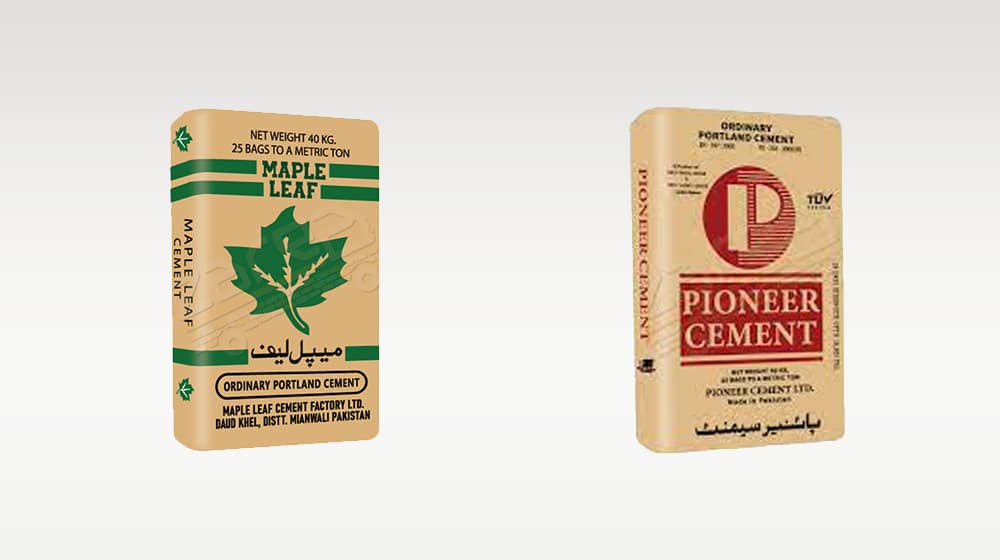
The structural transformation of Pakistan’s industrial landscape accelerates with the significant Maple Leaf Cement Acquisition. Maple Leaf Cement Factory Limited (MLCF) has strategically integrated Pioneer Cement Limited (PIOC), elevating its collective stake to 88.28%. Consequently, PIOC now operates as an official subsidiary, a calibrated move that redefines market dynamics within the nation’s vital cement sector. This critical consolidation establishes the Kohinoor Maple Leaf Group as Pakistan’s third-largest cement producer, projecting a combined market share of approximately 15.5%.
The Strategic Maple Leaf Cement Acquisition: Optimizing Industrial Capacity
This pivotal transaction stems from MLCF’s public offer and subsequent share purchases. A Share Purchase Agreement, executed on December 17, 2025, facilitated MLCF’s procurement of 131.8 million ordinary shares, precisely 58.03% of PIOC’s total shareholding. Furthermore, MLCF and its group associates previously held 42.08 million shares, constituting an 18.53% stake. This comprehensive strategy culminates in a combined holding exceeding 88% of ordinary shares, thereby granting MLCF decisive operational control over Pioneer Cement.
The deal’s valuation stands at an estimated $270.5 million, a substantial investment signaling a robust commitment to sector dominance. This expansion is not merely financial; it is a strategic alignment of production capabilities. MLCF currently operates Pakistan’s largest single-site cement facility, featuring four grey-cement lines and one white-cement line, yielding a formidable 7.8 million tons of clinker annually. Pioneer Cement, established in 1986, contributes three production lines located in Punjab, further solidifying the group’s regional supply chain and distribution network.

The Translation: Deconstructing the Sectoral Shift
This transaction represents more than a corporate takeover; it signifies a strategic recalibration within Pakistan’s foundational industrial infrastructure. Essentially, a leading cement manufacturer has expanded its operational footprint and production capacity by absorbing a key competitor. The core logic behind this consolidation is enhanced efficiency and market leverage. By integrating assets and streamlining operations, the newly expanded entity can achieve economies of scale, optimize supply chains, and potentially stabilize pricing mechanisms within the domestic market. Therefore, this move is a structural enhancement, designed to create a more resilient and competitive industrial player.
The Socio-Economic Impact: Daily Life Repercussions
For the average Pakistani citizen, particularly those engaged in construction, infrastructure development, or urban planning, this merger could translate into more stable cement supply and potentially more competitive pricing due to optimized production. Students pursuing engineering or supply chain management might observe this as a case study in corporate strategy and industrial efficiency. Professionals in the construction sector could benefit from a more consistent and reliable supply chain, reducing project delays. While direct consumer prices for cement might not immediately fluctuate drastically, the long-term systemic stability fostered by such large-scale consolidation ultimately supports broader economic development, impacting housing projects and urban growth across both urban and rural Pakistan.
The “Forward Path”: A Momentum Shift
This development undeniably represents a Momentum Shift for Pakistan’s industrial sector. The Kohinoor Maple Leaf Group’s expansion into the third-largest producer position is a catalyst for heightened competition and efficiency across the cement industry. It implies a proactive stance towards scaling infrastructure and meeting future demand for construction materials. This strategic move is not merely about maintenance; it is a structural progression that could drive further investment, technological upgrades, and improved product delivery systems, ultimately strengthening the national construction framework.








