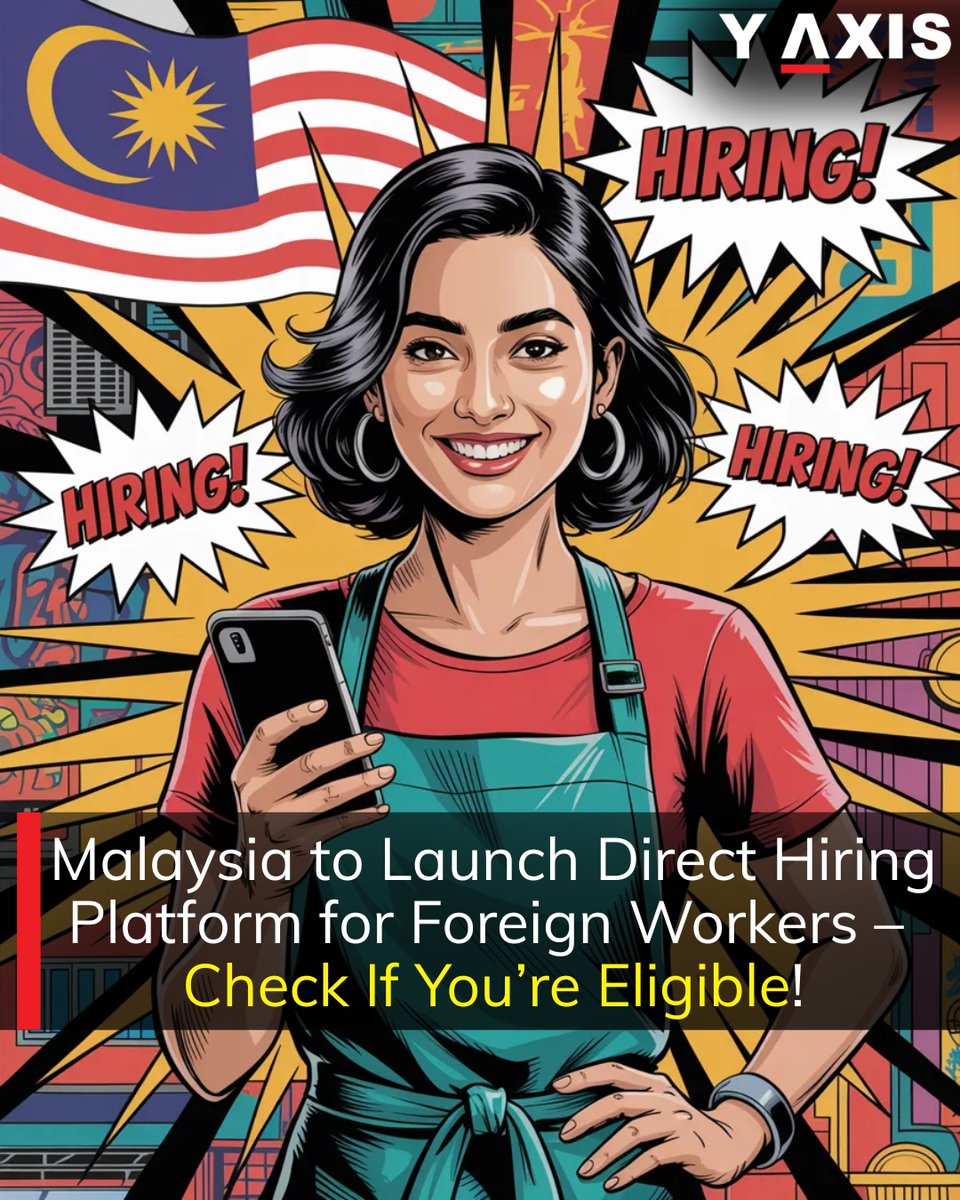
Malaysia is set to launch a transformative Malaysia digital hiring platform, meticulously designed to streamline the recruitment of foreign workers. This strategic initiative bypasses traditional private agents, aiming to drastically reduce exorbitant hiring costs and mitigate worker exploitation. Consequently, the new system promises enhanced transparency and efficiency, offering direct connections between employers and job seekers, thereby recalibrating the national labor framework for optimal performance.
The Translation: Understanding Malaysia’s Digital Hiring Frontier
This structural overhaul, spearheaded by Human Resources Minister Datuk Seri Ramanan Ramakrishnan, directly addresses systemic issues prevalent in conventional foreign worker recruitment. Currently, many individuals incur substantial debts due to inflated placement fees imposed by intermediaries. The proposed digital solution, therefore, represents a calibrated move to ensure foreign workers possess a precise understanding of job terms and conditions prior to their arrival. This proactive measure establishes a baseline of equity and clarity in the employment process, fundamentally safeguarding worker welfare from the outset.
Furthermore, the new platform integrates advanced technological features to facilitate seamless interactions. It will leverage virtual interviews and employ AI-powered translation capabilities, strategically designed to overcome inherent language barriers. This architectural approach aims to minimize discrepancies, ensuring that job conditions upon arrival accurately reflect initial promises. Data indicates that recruitment fees have historically ranged between US$5,000 and US$8,000 in certain cases. Consequently, these figures far exceed international labor guidelines, which recommend that fees not exceed one month’s wages. Thus, this platform provides a crucial counter-measure to such exploitative practices, offering a more just financial model.

The Socio-Economic Impact: Calibrating Opportunities for Pakistani Citizens
Enhanced Transparency and Cost Reduction
For the Pakistani citizen considering employment in Malaysia, this development signifies a structural improvement in the emigration process. This initiative directly changes the daily life of potential foreign workers by dismantling the financial barriers previously imposed by recruitment agents. Students and professionals alike will experience a significant reduction in initial placement costs, thereby lowering the debt burden. This enables a more financially stable transition into their new roles, critically impacting their economic well-being from the outset. Ultimately, a larger portion of their earnings can contribute directly to household stability, thereby benefiting families in both urban and rural Pakistan through increased remittances and reduced financial strain.
Strategic Employment Pathways
Moreover, the integration of Malaysia’s MyDigital ID system for worker records and identity verification introduces an unprecedented level of security and transparency into the recruitment lifecycle. This robust digital architecture safeguards against identity fraud and ensures legal compliance, providing a more secure and predictable pathway for employment. Consequently, Pakistani professionals will engage with a more equitable system, reducing vulnerability to exploitation and enhancing overall job satisfaction. The government is also actively discussing a government-to-government recruitment model with labor-source countries. This structural negotiation further solidifies the commitment to transparent and legally compliant migration pathways, ensuring greater protection for migrant workers and fostering trust between nations.

The Forward Path: A Momentum Shift for Labor Governance through Malaysia Digital Hiring
This proposed Malaysia digital hiring platform unequivocally represents a ‘Momentum Shift’ for labor governance within the nation. The strategic implementation of direct digital recruitment, combined with robust identity verification, signals a clear trajectory towards system efficiency and worker welfare. It moves beyond mere maintenance to establish a new, higher baseline for ethical and transparent foreign employment practices. This initiative, if approved and implemented later this year, will serve as a powerful catalyst for regional labor reform, setting a precedent for other nations to emulate. The precision of its design in addressing historical inefficiencies promises a more sustainable and equitable future for foreign workers, thereby elevating national advancement metrics.