

A significant directive from the Deputy Commissioner has initiated an immediate and comprehensive Hospital Smoking Ban across all public and private medical facilities in Faisalabad. This strategic mandate aims to elevate public health standards. Consequently, the Chief Executive Officer Health Faisalabad has ordered a district-wide prohibition on smoking within these critical institutions.
Understanding the Mandate: Enforcing the Hospital Smoking Ban
This initiative represents a pivotal step in public health enforcement. A formal notification from the health authority explicitly directs hospital administrations to eradicate smoking in all offices, sub-offices, and their broader premises. Furthermore, this structural change includes mandatory staff training to ensure rigorous compliance.

Hospital administrations must also install clear signboards prominently announcing the no-smoking policy. Moreover, a detailed monthly report outlining enforcement measures is required for submission to the relevant department. This establishes a baseline for accountability and sustained adherence to the new policy.
The Translation: Calibrating Public Health Law
This directive operationalizes the long-standing Prohibition of Smoking Ordinance 2002. Earlier in 2025, the Punjab government issued instructions for strict provincial-level implementation, encompassing areas like Rawalpindi. This ordinance is a structural framework designed to protect public spaces from tobacco smoke.
Provincial guidelines precisely prohibit smoking in diverse public environments. This includes educational institutions, government offices, shopping malls, and public transport, in addition to hospitals. Violators face significant financial penalties, ranging from Rs. 1,000 to Rs. 100,000, depending on the infraction’s severity.
Socio-Economic Impact: Healthier Horizons from the Smoking Ban
This stringent Hospital Smoking Ban fundamentally alters the daily environment for countless Pakistani citizens. For patients, it guarantees a cleaner, healthier recovery space, free from harmful secondary smoke exposure. Staff members, consequently, benefit from improved working conditions, reducing occupational health risks.
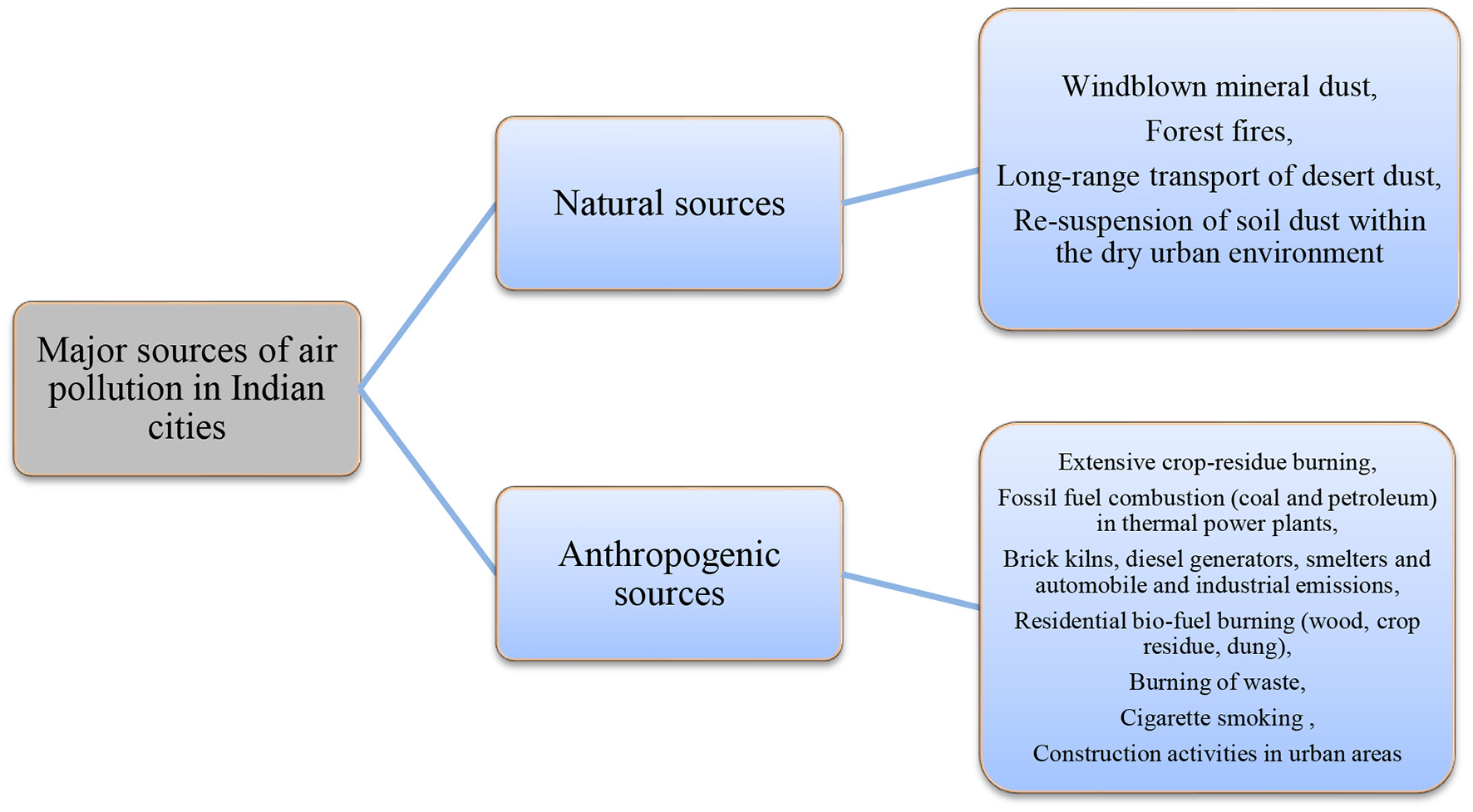
Students and professionals visiting hospitals will experience enhanced air quality. This policy also supports families in urban and rural Pakistan by fostering a culture of health and respect for non-smokers. It represents a direct intervention to mitigate a significant public health burden.
The Forward Path: A Momentum Shift in Public Health Policy
This comprehensive enforcement of a Hospital Smoking Ban unequivocally represents a Momentum Shift for public health in Pakistan. It is not merely a stabilization move; rather, it is a proactive measure that prioritizes citizen well-being and operationalizes existing legal frameworks with renewed vigor. This strategic intervention is a catalyst for broader public health advancements.








