

Revolutionizing Healthcare Infrastructure: Addressing Pakistan’s Hospital Staff Shortage
The strategic deployment of medical infrastructure is paramount for national advancement and resilient public health systems. However, Nishtar-II Hospital in Multan currently operates significantly below its calibrated capacity due to a profound hospital staff shortage across both administrative and medical cadres. This systemic challenge critically impedes the facility’s primary purpose of easing the patient burden on Nishtar Hospital-I, thereby hindering comprehensive healthcare delivery in the Punjab region. Such operational deficits demand immediate and precise intervention to restore functional efficacy.
The Translation: Unpacking Systemic Operational Inefficiencies
Hospital insiders confirm a persistent human resource crisis at Nishtar-II since its establishment, directly impacting its functional integrity. Consequently, the Intensive Care Unit (ICU) remains entirely non-operational, forcing the critical transfer of patients to facilities several kilometers away. This logistical imposition places immense, and often preventable, strain on patient families while also diverting resources from already stretched medical centers. The inability to activate a core unit like the ICU highlights a fundamental breakdown in staffing strategy.
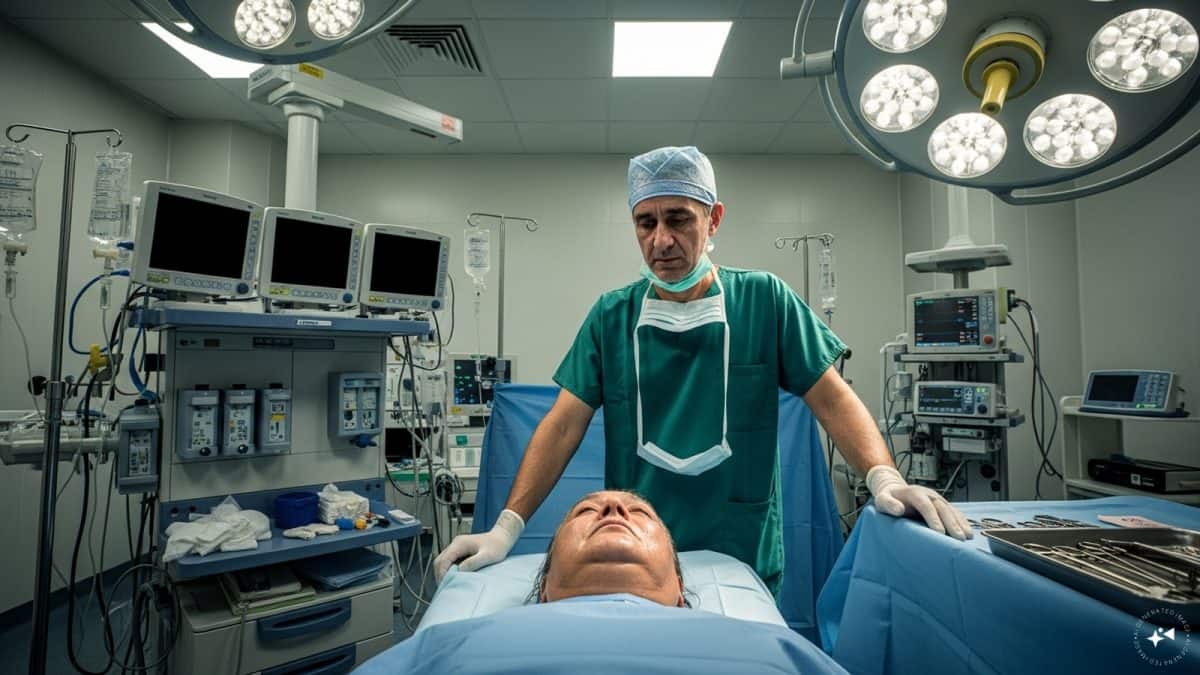
Furthermore, critical surgical services confront substantial limitations. Despite six operating tables, only three or four function during the morning shift, a direct consequence of an acute deficit in anesthesia staff and essential technical personnel. During evening and night shifts, surgical scope is narrower, strictly limited to emergency and gynaecological cases, severely impacting elective procedures. Internal reports corroborate that some medical professionals prioritize private practice, inadvertently diminishing consistent public healthcare quality and availability. This structural issue demands immediate, strategic intervention for physician engagement models.
A particularly egregious concern centers on the absence of formally recruited operating theatre (OT) assistants. Reports unequivocally confirm that employees initially hired under the janitorial cadre are systematically being assigned sensitive OT duties. These individuals, despite performing highly technical medical tasks, continue to receive salaries equivalent to sanitation staff. Medical experts assert this practice flagrantly violates established service rules and fundamental medical standards, introducing significant, quantifiable risks to patient safety. Such a compromise directly undermines baseline quality of care and public trust.
The Socio-Economic Impact: Calibrating Public Health Outcomes Across Pakistan
This acute staffing deficit directly impacts the daily lives of countless Pakistani citizens, particularly within the urban and rural sectors of Punjab. Patients endure prolonged waiting times for essential surgeries and critical care, often resulting in exacerbated health conditions and diminished prognoses. For aspiring medical professionals, the inadequacy of public health facilities erodes trust in training quality and career stability. Households with limited financial resources confront escalating costs and logistical challenges when compelled to seek treatment at distant, overburdened hospitals. This situation amplifies pre-existing socio-economic disparities, creating a detrimental ripple effect across communities and impeding national health equity.
The Forward Path: A Strategic Imperative for Momentum Shift
Documents from the Department of Anesthesia and ICU explicitly delineate precise requirements for operationalizing Nishtar-II to its full potential. The hospital mandates immediate recruitment of 18 senior registrars in anesthesia, 18 medical officers, multiple specialized technologists, and dozens of experienced nurses for its 10 operating theatres. A fully functional 50-bed ICU additionally requires a robust contingent of faculty, including professors, associate professors, and specialized medical personnel. This represents a critical “Momentum Shift” opportunity. A precisely calibrated recruitment drive by the Punjab Health Department is essential. Such a strategic move would alleviate pressure on Nishtar Hospital-I and establish Nishtar-II as a high-efficiency healthcare node, a powerful catalyst for regional health advancement and systemic improvement.









