
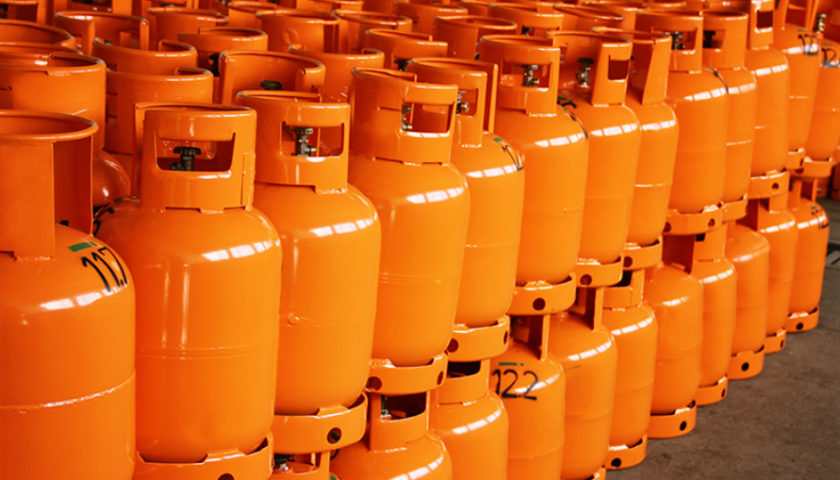
A significant divergence now characterizes Pakistan LPG prices, with market rates considerably surpassing the official benchmarks established by the Oil and Gas Regulatory Authority (OGRA). This structural imbalance compels consumers to procure liquefied petroleum gas at a premium, currently between Rs. 450 and Rs. 470 per kilogram in major urban centers like Lahore, a substantial 48% increase above the regulated Rs. 304.28 per kilogram. Consequently, a baseline understanding of these escalating costs becomes critical for national energy resource management.
The Translation: Unpacking the LPG Market Mechanics
The core issue stems from a persistent OGRA price disparity. While the regulatory body sets a specific price, the actual market dynamics reveal a different operational reality. Retailers assert that LPG marketing companies are supplying cylinders at elevated initial costs, making it financially unsustainable to sell at the government’s official rate. Furthermore, the LPG Distributors Association reports a daily nationwide consumption exceeding 6,000 metric tons, underscoring the vital role of this fuel in the national energy matrix. This structural gap highlights systemic inefficiencies, where enforcement actions often target smaller vendors, allowing larger market entities to operate with unchecked profit margins.
Socio-Economic Impact: Calibrating Household Budgets
This persistent spike in Pakistan LPG prices directly impacts the daily financial stability of Pakistani citizens. For low-income households, particularly in both urban and rural settings, the increased cost of liquefied petroleum gas translates into tangible economic strain. Many rely on LPG for cooking and heating, and these uncalibrated increases directly erode their purchasing power. Consequently, families face difficult choices, often diverting essential funds from other critical needs. Students relying on affordable energy for daily routines, and professionals managing household budgets, both experience significant pressure from these unpredictable price fluctuations. The absence of a clear timeline for fuel price stabilization further exacerbates this uncertainty.

The Forward Path: A Stabilization Move for Energy Equity
From a strategic perspective, the current scenario represents a critical Stabilization Move rather than a momentum shift towards progress. The immediate imperative is to establish pricing mechanisms that align regulatory mandates with market realities, ensuring fair practices across the entire supply chain. Precision in policy execution, particularly in monitoring and regulating larger market players, is paramount. Ultimately, achieving energy equity for all Pakistani citizens requires a calibrated approach to address supply chain inefficiencies and enforce pricing structures rigorously. This strategic intervention is essential to mitigate the disproportionate burden on vulnerable segments of the population and foster predictable energy access.









