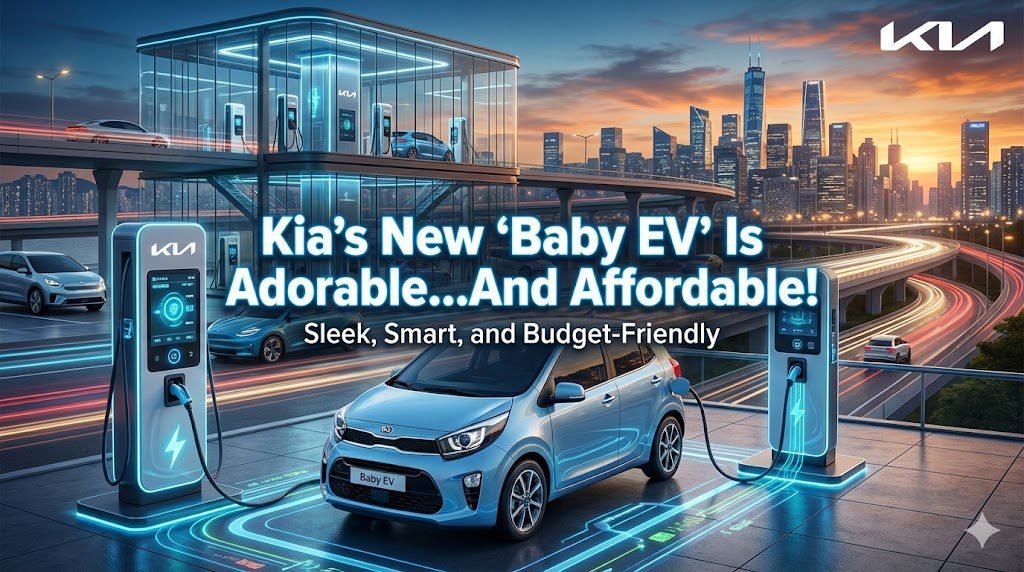
Revolutionizing Mobility: Pakistan’s Locally Made Electric Car
Pakistan is on the cusp of a significant automotive transformation. A locally made electric car, projected to cost approximately Rs. 1 million, is set to enter the market by June, as confirmed by Engineering Development Board (EDB) Chief Executive Hammad Mansoor. This strategic development is poised to recalibrate the nation’s automotive landscape, fostering domestic production and enhancing accessibility to sustainable transportation solutions. Consequently, this move will directly impact both urban and rural communities.
The Translation: Decoding Automotive Advancement
Hammad Mansoor’s recent statements clarify a calibrated strategy for Pakistan’s auto sector. The imminent launch of a fully electric “Made-in-Pakistan” vehicle signifies a direct governmental and industrial push towards self-sufficiency in electric vehicle (EV) manufacturing. Furthermore, discussions around potential reductions in federal budget vehicle taxes indicate a policy framework designed to make hybrid, electric, and conventional vehicles more financially accessible to the populace. This proactive measure aims to stimulate market growth and consumer adoption, ensuring broader economic participation.

Socio-Economic Impact: Transforming Daily Life
This initiative directly impacts the daily lives of Pakistani citizens across various demographics. For urban professionals and students, the prospect of an affordable, locally made electric car at Rs. 1 million offers a compelling alternative to traditional fuel-dependent vehicles, potentially reducing transportation costs significantly. In rural Pakistan, where economic stability is paramount, lower vehicle taxes could make new and used vehicles more attainable, improving connectivity and commercial mobility. Increased local manufacturing is projected to reduce overall car prices by up to Rs. 2.5 million, enhancing affordability for households nationwide and mitigating the long-standing dominance of a few manufacturers. Therefore, this market shift is highly beneficial.
.png)
The Forward Path: A Momentum Shift in Green Technology
This development represents a Momentum Shift for Pakistan’s industrial and environmental trajectory. The concurrent establishment of a local lithium battery manufacturing plant by May, with a second facility planned for September, is a structural catalyst. Producing 74% of battery components domestically will critically reduce electric vehicle costs, fostering a robust local supply chain. This strategic integration of manufacturing capabilities signals a disciplined commitment to national advancement in sustainable technology, establishing a baseline for future innovation rather than merely maintaining existing structures. Consequently, the projected range of approximately 180 kilometers on a single charge for locally developed EVs, with advanced models reaching up to 1,200 kilometers, demonstrates a calibrated approach to performance.
.png)
Key Structural Developments Accelerating EV Adoption
- Local Manufacturing Expansion: The entry of new companies and heightened localization efforts are systematically challenging the long-standing market dominance of a few large automobile manufacturers.
- Battery Production: Pakistan’s first lithium battery manufacturing plant is anticipated to commence production by May, with a second facility slated for September.
- Cost Efficiency: Approximately 74 percent of battery components will be produced locally, structurally reducing electric vehicle costs due to domestic part manufacturing.
- Performance Metrics: Locally developed electric vehicles are expected to offer a baseline range of around 180 kilometers per charge, with advanced models capable of reaching up to 1,200 kilometers.