

A pivotal decision approaches for the future of the Punjab Basant Festival. The Lahore High Court (LHC) has reserved its verdict on a petition advocating for the province-wide celebration of Basant, with an announcement anticipated on Friday. This judicial review represents a critical juncture for cultural revitalization and public safety protocols surrounding the historic kite-flying event across Pakistan’s Punjab province.
Understanding the Judicial Process: LHC’s Strategic Assessment of Basant
Justice Malik Awais Khalid meticulously presided over the petition, initiated by Ms. Ashba Kamran. Her appeal sought a uniform framework for Basant celebrations across all cities in Punjab. Consequently, the court’s proceedings have meticulously examined the intersection of cultural heritage and regulatory oversight.
The Translation: Deconstructing Government Stance on Basant Celebrations
The Punjab Home Department presented a comprehensive report detailing the government's calibrated position. This submission outlined proposed safety arrangements and procedural mechanisms. Specifically, it clarified that deputy commissioners could authorize Basant events on designated days, contingent upon governmental approval. This framework emphasizes localized control within a centralized regulatory structure.
The Socio-Economic Impact: Ensuring Public Welfare and Cultural Revival
This structural approach directly impacts the daily lives of Pakistani citizens. The proposed regulations aim to secure public safety, particularly for urban families and motorcyclists, by banning hazardous strings and mandating safety rods. Such measures are vital for enabling cultural enjoyment without compromising citizen well-being, fostering a safer environment for students and professionals alike during the festival.

Operational Guidelines for Safe Basant Celebrations
The report further stipulated that relevant deputy commissioners would bear primary responsibility for public safety prior to granting festival permissions. This includes overseeing the rigorous implementation of all legally mandated safety measures and ensuring strict adherence by citizens. Furthermore, a registration requirement for kite sellers and manufacturers is a strategic move to formalize the industry, thereby enhancing accountability and promoting responsible kite flying safety.
- Mandatory Registration: Kite sellers and manufacturers must register with authorities to ensure accountability.
- Hazardous String Ban: Metallic or other dangerous strings remain strictly prohibited to prevent injuries.
- Motorcyclist Safety: Authorities will ensure the use of safety rods, a structural safeguard to prevent injuries during kite flying festivities.

Petitioner’s Counter-Arguments and The Forward Path for Punjab Basant Festival
During the hearing, the petitioner, Ms. Ashba Kamran, presented compelling arguments regarding the legal imperative for facilitating Basant across Punjab. She asserted that the government bears a fundamental responsibility to enable these cultural celebrations. Furthermore, she alleged potential factual omissions within the home secretary's submitted response, noting that initial guidelines for Basant consideration were seemingly restricted to the Deputy Commissioner of Lahore, leaving other districts without clear directives.
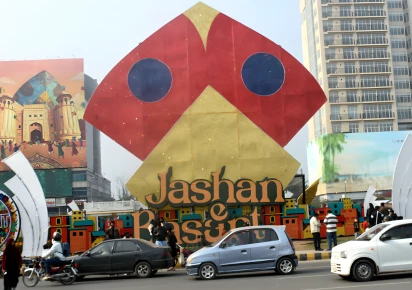
The Deputy Commissioner of Lahore had already granted permission for Basant celebrations after fulfilling all legal prerequisites, a fact cited in the report requesting the petition's dismissal. This establishes a baseline for potential province-wide implementation of cultural festival policies.
The Forward Path: Momentum Shift or Stabilization Move?
This development signifies a Stabilization Move. While the petition aims for a broader re-establishment of the Punjab Basant Festival, the court's reserved verdict, coupled with the government's emphasis on stringent safety protocols, indicates a strategic effort to balance cultural preservation with paramount public safety. This structural re-evaluation is a necessary calibration for sustainable cultural integration and optimized system efficiency.








