Pakistan’s Educational Frontier: Strategic Response to a Recurring IIUI Leopard Sighting
The International Islamic University Islamabad (IIUI) recently experienced a significant event: a recurring IIUI leopard sighting on its campus. This development has catalyzed urgent re-evaluations of campus security protocols, directly impacting the daily operational rhythm and student safety. The incident, marking the second such occurrence within a two-month timeframe, mandates a calibrated and multi-agency response to ensure the well-being of the academic community while addressing complex urban wildlife challenges.
The Translation: Unpacking the Recurring IIUI Leopard Sighting
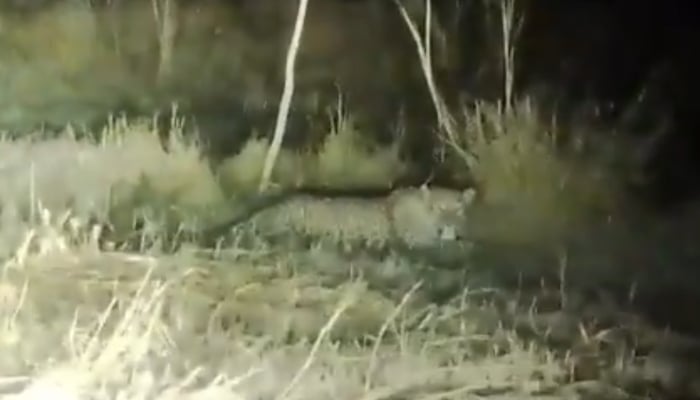
This latest wildlife presence occurred after sunset, with students observing the wild animal near university hostels. Previously, the Islamabad Wildlife Management Board (IWMB) initiated protective measures, including installing traps and cages across the campus. However, these baseline efforts have not yet secured the animal, highlighting the persistent challenge of wildlife integration in urbanized zones. The recurring nature of this specific event, a continued IIUI leopard sighting, necessitates a precise understanding of the leopard’s movement patterns and ecological drivers within the capital’s green belts.

The Socio-Economic Impact: Calibrating Student Safety and Campus Operations
A direct consequence of these repeated sightings, particularly the recent IIUI leopard sighting, is the heightened concern among IIUI’s substantial student body, especially residents of campus hostels. University administration has promptly issued a safety advisory, urging faculty and students to exercise extreme caution and minimize movement in isolated campus sectors, especially during evening and nighttime hours. This directive strategically aims to mitigate immediate risks, consequently impacting student mobility and recreational activities. Furthermore, the university has escalated communications with both the IWMB and the Capital Development Authority (CDA), deploying resources like accommodation, food, and transport to support rescue operations. This reflects a commitment to student security protocols and a proactive stance in crisis management.

The Forward Path: Strategic Wildlife Management for Urban Ecosystems
This development represents a Stabilization Move. While the immediate response is critical for containing the present situation, the persistent evasion of capture by the leopard indicates a need for enhanced, long-term wildlife management strategies for Pakistan’s rapidly expanding urban centers. The university administration’s emergency meeting signifies a structural shift towards proactive risk assessment and the implementation of robust, data-driven security enhancements. Future planning must integrate ecological studies with campus infrastructure development to prevent similar incidents, ensuring both human safety and biodiversity preservation. This is a baseline requirement for sustainable urban growth.