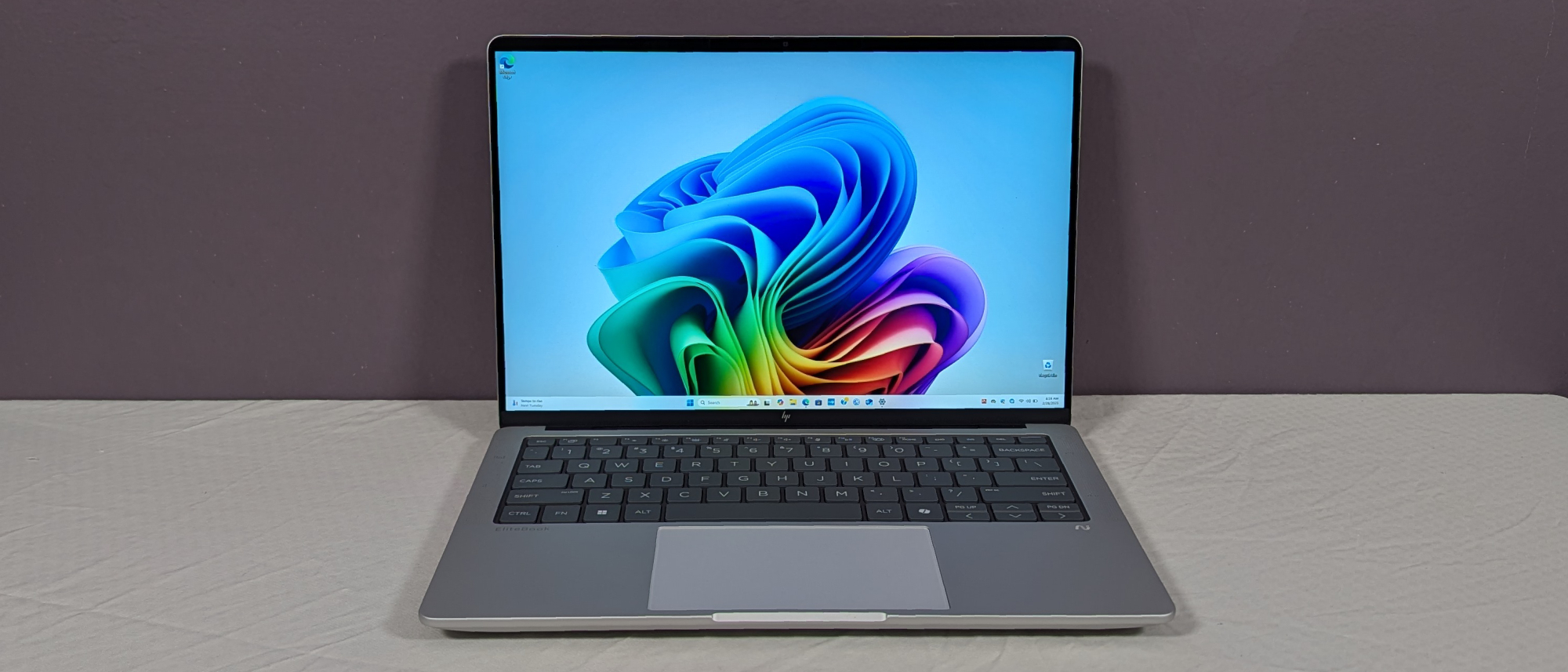
The global technology landscape is undergoing a significant recalibration, directly influencing consumer markets like Pakistan. Notably, Lenovo laptop prices are experiencing an upward trajectory, a consequence of persistent memory chip shortages. This strategic shift in component allocation, primarily driven by escalating demand from AI servers, indicates that increased pricing pressure is unlikely to ease in the near term. Consequently, consumers planning PC acquisitions should anticipate elevated costs and fewer discounts, reflecting a broader structural adjustment within the hardware market.
What Drives Elevated PC Component Costs?
A fundamental re-prioritization in global supply chains is actively reshaping the personal computing sector. Lenovo has confirmed that memory chip scarcity is placing considerable strain on the entire PC industry. These essential components are becoming increasingly difficult to procure, and their price volatility complicates production planning for manufacturers. Even where consumer demand remains consistent, limited access to components at predictable prices compels manufacturers to transfer these additional costs directly to the customer base. Furthermore, industry leaders like Intel’s CEO have issued parallel warnings, asserting that this memory shortage will persist, potentially extending elevated prices beyond initial projections.

Accelerated Purchases: A Temporary Market Anomaly
Paradoxically, reports from Bloomberg indicate that Lenovo’s recent sales figures surpassed internal expectations. This temporary surge was partly attributed to consumers accelerating their purchases, strategically buying before anticipated memory price increases took effect. While this momentum provided a short-term revenue boost, company executives cautioned that it does not reflect improved long-term supply conditions. This phenomenon illustrates a reactive consumer behavior rather than a sustainable market recovery.

AI Server Dominance: Reshaping Memory Allocation
The core of the current supply challenge lies in the calibrated allocation of memory resources. Memory manufacturers are strategically prioritizing the rapidly expanding sectors of AI servers and data centers. These high-growth areas offer significantly higher profit margins, diverting substantial volumes of standard DRAM and NAND memory. Consequently, less memory is available for conventional laptops and desktop computers, tightening the supply for PC manufacturers. This structural shift fundamentally limits access to critical components for everyday computing devices.

In response, Lenovo has implemented a proactive risk mitigation strategy. The company has stockpiled memory and other key components, maintaining higher-than-usual inventory levels. This tactical approach helps sustain current production rates; however, executives acknowledge it is not a permanent resolution if these systemic shortages persist. Analysts forecast memory constraints to extend through 2026, implying that RAM and SSD storage prices will remain elevated across the hardware market. For consumers, this translates into fewer discounts and potentially higher overall Lenovo laptop prices and other PC costs, as manufacturers adapt to an AI-driven market paradigm.

The Translation: Deconstructing the Technical Realities
This situation clarifies that the increased cost of your next laptop isn’t merely inflation; it’s a direct outcome of a global technological re-prioritization. Essentially, the advanced memory required for AI servers, processing vast datasets and complex algorithms, commands a premium and consumes a disproportionate share of global memory production. This leaves a reduced supply for consumer-grade devices. Therefore, the “logic” is driven by economics: higher demand and profit margins in the AI sector structurally pull resources away from the traditional PC market. This is a baseline shift, not a temporary fluctuation.
The Socio-Economic Impact: Daily Life in Pakistan
For Pakistani citizens, this translates into a tangible economic impact. Students pursuing STEM fields or design will face higher entry barriers for essential computing tools, potentially affecting academic performance and access to digital learning. Professionals, especially those in IT, creative industries, or remote work, will encounter increased capital expenditure for vital equipment upgrades, impacting business efficiency and operational costs. Urban and rural households alike, relying on affordable technology for connectivity and education, will experience reduced purchasing power for new devices. Ultimately, the cost escalation could widen the digital divide, limiting access to modern computing for many.

The Forward Path: A Stabilization Move for the Ecosystem
This development primarily represents a “Stabilization Move” within the global technology ecosystem, rather than a direct “Momentum Shift” for the PC consumer market. While it indicates significant momentum in the AI sector, it simultaneously implies a recalibration for traditional computing. The industry is structurally adjusting to new demand dynamics, where high-performance computing for AI is the catalyst for resource allocation. Therefore, for Pakistani consumers, this is a period of market adjustment that necessitates strategic planning for technology investments. Manufacturers must innovate to optimize component use, while consumers must adapt to new price baselines.