

The Punjab government has strategically reinstated the Lahore kite flying ban following the successful conclusion of the Basant festival. Information Minister Azma Bukhari confirmed that the celebratory period has officially ended, catalyzing immediate, stringent enforcement against any violations. Consequently, this decisive action aims to maintain public order and safety, underscoring the calibrated approach to balancing cultural traditions with essential regulatory frameworks for citizen well-being.
Understanding the Regulatory Calibration
This re-implementation of the kite flying ban in Lahore translates directly into enhanced safety protocols for urban and rural populations. The official statement from Minister Bukhari clarifies that while the Basant festival was permitted under specific guidelines, its conclusion triggers an immediate reversion to the standing prohibitions. Furthermore, this structural shift is not merely a formality; it signifies a concrete commitment to prevent accidents and disruptions historically associated with unregulated kite flying, such as those involving sharp strings or electrical hazards. The government’s decision establishes a clear operational baseline for post-festival public conduct.
Socio-Economic Resonance: Impact on Daily Life
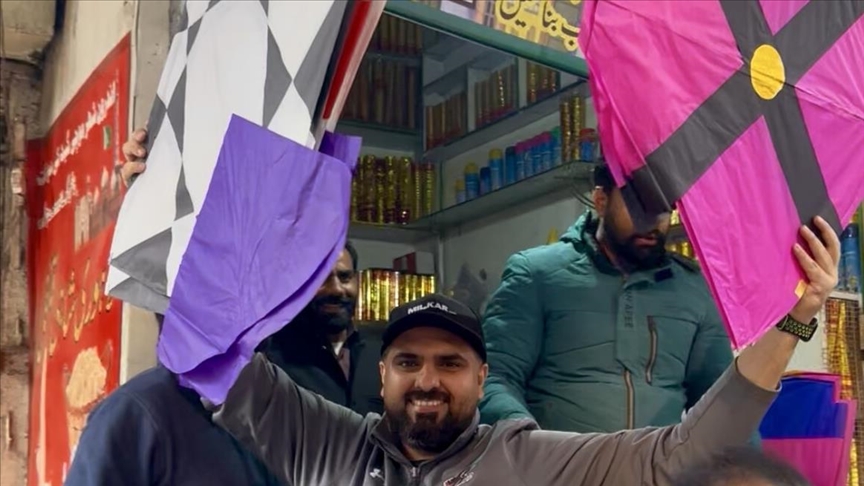
For Pakistani citizens, particularly in Lahore, this ban directly impacts daily recreational patterns. Students and professionals must recognize that outdoor activities, specifically those involving kite flying, are now subject to strict legal parameters. This means households must actively supervise children to ensure adherence, preventing legal repercussions. Consequently, the focus shifts towards alternative, regulated recreational pursuits. The move prioritizes public safety and civic responsibility, aiming to minimize urban hazards and foster a more controlled environment for all residents.
The Forward Path: A Stabilization Move
From an analytical perspective, this development represents a “Stabilization Move.” While the successful, safe conduct of Basant signals positive cultural engagement, the immediate re-imposition of the Lahore kite flying ban is a calculated effort to institutionalize safety. It solidifies existing regulatory frameworks rather than initiating a new momentum shift. The focus remains on consistent governance and the disciplined management of public spaces. Ultimately, this approach safeguards public welfare, ensuring that cultural events integrate seamlessly within a secure operational framework without compromising citizen safety.
Ensuring Accountable Public Gatherings

Minister Bukhari commended the people of Lahore, wider Pakistani public, and overseas Pakistanis for their responsible Basant celebrations. This collective cooperation was a catalyst for a successful and peaceful event, drawing international visitors from the United States, the United Kingdom, and the Middle East. Furthermore, citizens meticulously adhered to government standard operating procedures (SOPs) and official guidelines. Chief Minister Maryam Nawaz earned widespread appreciation for ensuring a secure Basant, demonstrating effective administrative oversight.
The administration, including police, rescue services, and district authorities, performed their duties with exemplary dedication. Their collective effort ensured public safety throughout the festival period. This robust performance is integral to maintaining systemic efficiency during large-scale public engagements.
Strategic Vision for National Advancement

Pakistanis consistently support development, prosperity, and peace. This collective commitment strengthens the national framework. Consequently, elements attempting to destabilize the country face calibrated opposition and experience the direct consequences of their actions. This strategic alignment towards national goals underpins all regulatory decisions, including the recent directive on aerial activities, reinforcing the trajectory of progress and stability for the nation.








