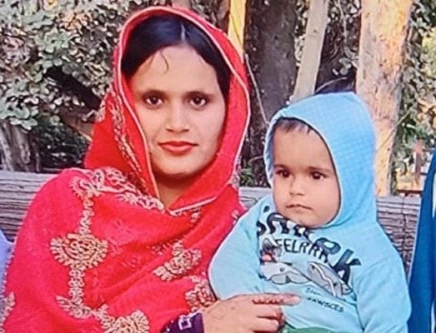
The structural integrity of urban safety protocols directly impacts citizen well-being. A recent development in Lahore sees five individuals granted bail in the tragic Lahore manhole death case, where a mother and her infant daughter perished. This decision, calibrated by a Lahore district court, follows the complainant’s voluntary withdrawal of legal proceedings, citing receipt of compensation (diyat) and a desire for forgiveness. Consequently, the judicial magistrate approved the post-arrest bail applications, mandating surety bonds of Rs. 50,000 each. This outcome underscores the complex interplay of legal frameworks, traditional justice, and urban infrastructure accountability.
The Translation: Deconstructing the Legal Framework
This judicial outcome, while initially appearing lenient, reflects a critical aspect of Pakistan’s legal system: the principle of “diyat” or blood money. In this instance, the family of the deceased, Sadia and her 10-month-old daughter Rida, voluntarily withdrew their complaint after the accused provided monetary compensation. Specifically, the father, Sajid Hussain, and the husband, Ghulam Murtaza, explicitly stated they had forgiven the accused for the sake of Allah, thereby removing their objection to the bail. This action, therefore, aligns with sections of Islamic law integrated into the Pakistani penal code, where reconciliation and compensation can influence judicial decisions in certain cases. The court’s role, subsequently, pivots to verifying the voluntariness of the complainant’s statement and ensuring due process for the bail application. This structural approach allows for victim-led resolution, yet prompts crucial questions regarding systemic accountability for public safety failures.
Socio-Economic Impact: Urban Safety & Citizen Trust
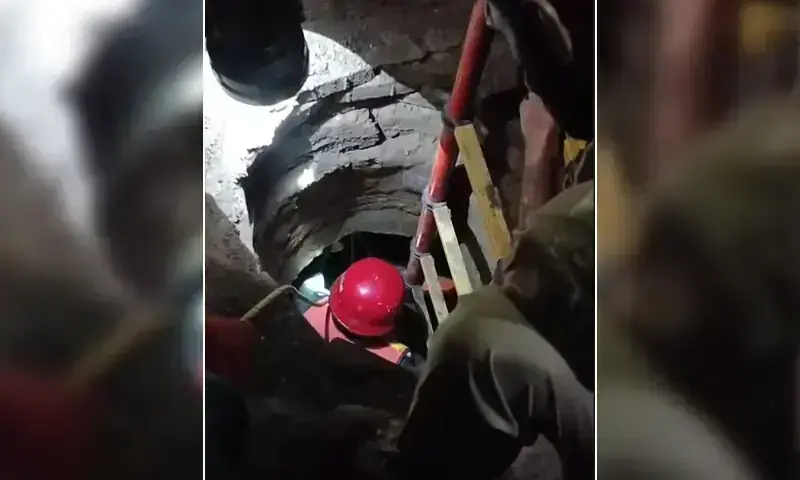
The resolution of the Lahore manhole bail case through traditional compensation mechanisms has profound implications for Pakistani citizens. For urban dwellers, particularly in rapidly expanding cities like Lahore, this incident highlights the persistent vulnerability to inadequate infrastructure. Students and professionals commuting daily face tangible risks from unaddressed public hazards. Furthermore, this case casts a spotlight on the efficacy of municipal oversight and project management in safeguarding lives. While financial compensation offers immediate relief, the broader societal impact involves a potential erosion of trust in systemic accountability for negligence. Households, particularly those in marginalized communities, disproportionately bear the brunt of such failures, underscoring the urgent need for calibrated engineering standards and stringent enforcement to prevent future tragedies. This incident serves as a critical data point for evaluating urban development strategies.
The Forward Path: Momentum Shift or Stabilization Move?
From a “Next Generation Pakistan” perspective, this development represents a Stabilization Move rather than a decisive Momentum Shift towards comprehensive urban safety reform. While the legal resolution provides closure for the affected family, it does not fundamentally alter the baseline conditions that led to the tragedy. The payment of diyat, while culturally and legally permissible, can inadvertently obscure the need for structural changes in infrastructure development and maintenance. A true Momentum Shift would necessitate a proactive and strategic overhaul of public works safety protocols, including advanced digital monitoring of urban hazards, rigorous contractor accountability, and transparent incident reporting. We must move beyond reactive compensation to preventative engineering and systemic efficiency, ensuring that such preventable deaths become an anomaly, not a recurring concern. This demands a recalibration of municipal responsibilities and an unwavering commitment to citizen safety as a primary KPI for urban development.
Key Recommendations for Enhanced Urban Safety:
- Digital Hazard Mapping: Implement a centralized, real-time digital system for identifying and reporting urban infrastructure hazards, including open manholes.
- Automated Inspection Protocols: Deploy drone technology or sensor-based systems for routine inspections of critical public infrastructure.
- Contractor Performance Baselines: Establish stringent performance metrics and penalties for contractors failing to adhere to safety standards on public projects.
- Public Awareness Campaigns: Launch educational initiatives to inform citizens about reporting procedures for urban dangers and personal safety measures.
- Legal Framework Review: Conduct a precise audit of existing laws to bolster accountability for public sector negligence in infrastructure maintenance.
Accountability & Judicial Process
The nominated individuals in this critical case included Project Manager Asghar Sandhu, the contractor company’s CEO Salman Yasin, Site In-charge Hunzala, Ahmed Nawaz, and Daniyal. Judicial Magistrate Shafqat Abbas meticulously presided over the hearing, ensuring all procedural requirements were met following the completion of the physical remand. Consequently, the magistrate, acting on the complainant’s precise statement, approved the post-arrest bail applications for all five accused, underscoring the legal mechanisms at play. This development in the Lahore manhole bail case highlights the importance of procedural clarity for maintaining systemic trust in the judicial process.