Kuwait’s Ministry of Interior has precisely calibrated new regulations clarifying Kuwait expat vehicle ownership, now limiting expatriates to a maximum of three personal vehicles. This structural change, effective immediately, aims to enhance traffic management and ensure systemic compliance with transport laws. Furthermore, existing vehicle registrations can be renewed, provided the total number does not exceed this established baseline. This policy directly impacts Pakistani professionals and families residing in Kuwait, necessitating a strategic assessment of their transport assets.
Understanding the New Expat Vehicle Ownership Framework
The Ministry of Interior, through its traffic authorities, has formally declared that expatriates are permitted to own up to three vehicles for personal use. This directive, articulated by Lieutenant Colonel Abdullah Bouhassan, Assistant Director of the Traffic Awareness Department, covers all personal transport assets. Specifically, this encompasses cars, pickup trucks, and motorcycles, establishing a clear parameter for personal vehicle limit Kuwait.
Consequently, while expatriates may continue to renew registrations for vehicles they currently possess, any acquisition beyond the three-vehicle threshold will not be sanctioned. This prevents additional registrations that exceed the stipulated maximum, thereby enforcing the new regulatory architecture. The clarification itself is a component of broader governmental initiatives focused on optimizing vehicle ownership frameworks and refining traffic flows across the nation.

The Translation: Streamlining Kuwait’s Transport Logic
This new rule translates into a clearer, more predictable system for expatriates managing their transport needs in Kuwait. Previously, the exact limits on vehicle ownership for non-citizens were less explicitly defined, leading to potential ambiguities. The Ministry has now provided a definitive number, making the operational guidelines unambiguous. This proactive measure reflects a commitment to a streamlined administrative process, ensuring all residents operate within a consistently applied legal framework.
Socio-Economic Impact: Calibrating Daily Life for Pakistani Expats
For Pakistani citizens working and residing in Kuwait, this regulation introduces a direct, tangible change to household logistics and financial planning. Professionals, who might rely on multiple vehicles for different family members or business needs, must now meticulously evaluate their current fleet. For instance, a family with three adult drivers might find their vehicle acquisition strategy impacted, especially if they previously owned four or more vehicles. This shift necessitates a recalibration of personal transport priorities.
Furthermore, the policy could indirectly influence the used car market, potentially increasing the supply of certain vehicle types as some expats adjust their holdings to meet the new limit. Students and new professionals arriving in Kuwait will have a precise baseline for vehicle acquisition, preventing future non-compliance. Ultimately, this move aims to create a more organized traffic environment, which, by extension, contributes to a safer and more efficient daily commute for all residents, including our Pakistani diaspora.

How This Changes Expat Car Registration Kuwait
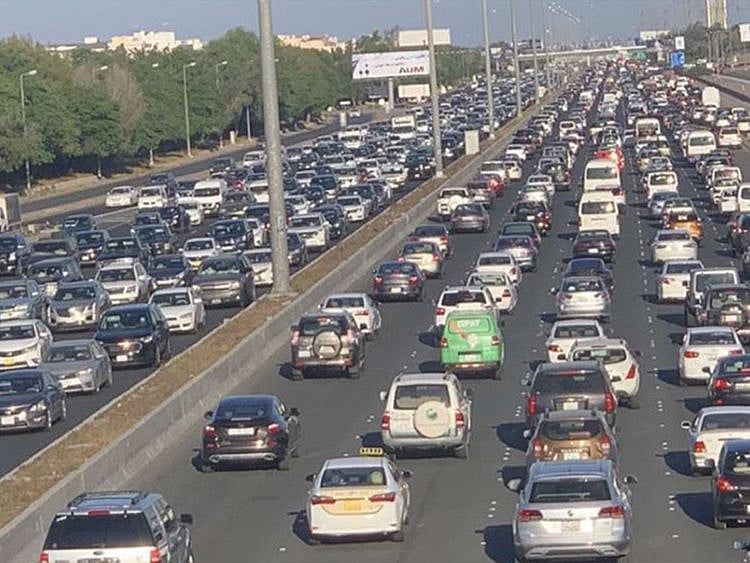
The core change lies in the registration process. While renewals for existing vehicles up to three are unaffected, applying for a fourth vehicle registration will now be disallowed. This directly streamlines expat car registration Kuwait processes, ensuring that the total vehicle count adheres strictly to the legal maximum. This measure acts as a direct lever for traffic authorities to manage vehicle density, especially in urban centers, which frequently face congestion challenges.
The Forward Path: A Stabilization Move for Systemic Efficiency
This development represents a Stabilization Move for Kuwait’s infrastructure and regulatory systems, rather than a direct momentum shift in growth. The government is implementing a structural adjustment to address existing challenges in traffic management and urban planning. By setting a definitive cap on vehicle ownership, the intent is to mitigate congestion, reduce environmental impact from excessive vehicle density, and foster a more orderly transport ecosystem. This strategic recalibration ensures that the existing infrastructure can sustain current and future population demands more efficiently. Ultimately, it’s about optimizing resource allocation and enhancing urban liveability through precise policy adjustments.