

Pakistan’s structural progression accelerates. Khyber Pakhtunkhwa’s Chief Minister, Sohail Afridi, strategically unveils a monumental KP development plan: a Rs. 1 trillion package precisely calibrated for the merged districts. Consequently, this initiative prioritizes human capital, allocating a substantial Rs. 400 billion directly to vital health and education sectors. This signals a definitive move towards equitable regional upliftment and system efficiency.
Driving Progress: The KP Development Plan for Merged Districts
The Translation: Catalyzing Regional Growth
Chief Minister Afridi’s announcement, delivered at the Bajaur Sports Complex, outlines a comprehensive investment strategy. Specifically, this development plan is not merely an allocation; rather, it represents a precise targeting of critical sectors designed to elevate living standards across these historically underserved regions. The provincial government affirms a resolute commitment: public resources will be deployed with maximum efficiency for citizen welfare.
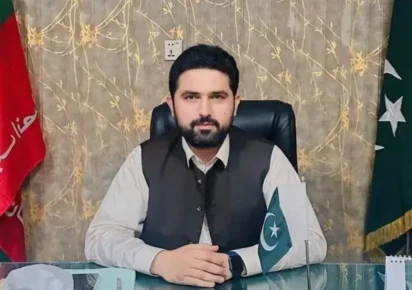
Furthermore, this strategic blueprint includes several high-impact projects specifically for Bajaur. Key initiatives involve establishing a new university campus, significantly improving connectivity with the Dir and Swat motorways, and critically, reactivating the Bajaur Nursing College, which has remained non-operational since 2007. Collectively, these projects form a robust framework for educational and infrastructural advancement.
The Socio-Economic Impact: Transforming Daily Life
This massive investment fundamentally recalibrates the trajectory for Pakistani citizens residing in the merged districts. Students will gain unprecedented access to higher education through the new university campus and a revived nursing college, directly enhancing future professional prospects. Concurrently, professionals will benefit from improved regional connectivity, streamlining commerce and reducing travel times. Critically, rural households stand to gain from enhanced infrastructure and the long-term economic stability spurred by these strategic interventions.
Moreover, the focus on health and education means tangible improvements in access to quality medical services and better learning environments for children. This directly translates into a healthier, more educated populace, forming the baseline for sustained community growth and prosperity.
The “Forward Path”: A Momentum Shift
This Rs. 1 trillion package unequivocally represents a Momentum Shift. The transparent and timely execution assurances from Chief Minister Afridi underscore a new operational paradigm. Specifically, prioritizing projects like the Bara Dam and Khyber Industrial Zone, alongside resolving issues at Jabba Dam, demonstrates a holistic approach to infrastructure and economic development. Ultimately, this plan is a calculated move to integrate the merged districts fully into Pakistan’s national development matrix, fostering enduring peace and progress through calibrated investment and stakeholder collaboration.








