
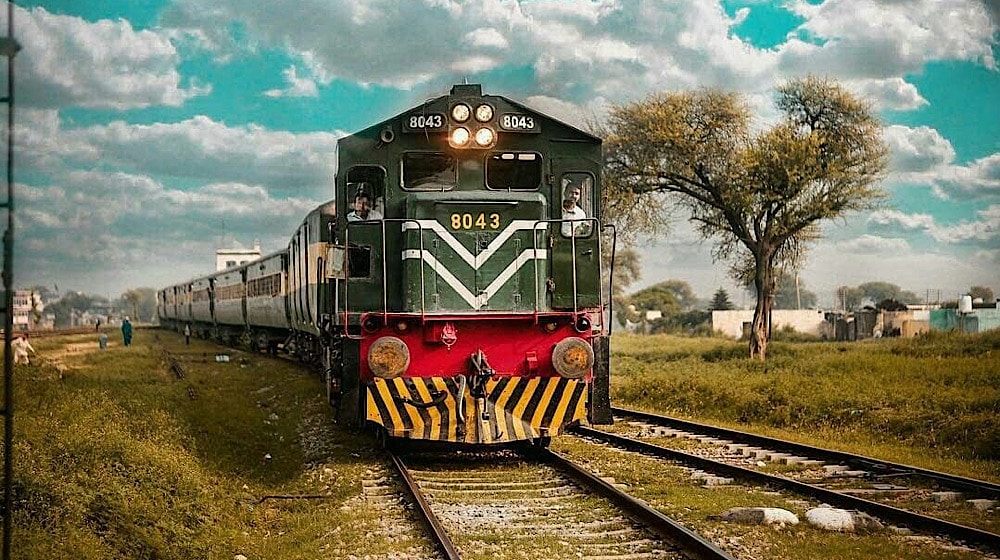
Pakistan’s infrastructure system is undergoing a calibrated evolution. The Khyber Pakhtunkhwa (KP) government, in a strategic collaboration with the federal administration, is initiating the Peshawar Valley Railway train service. This critical project aims to modernize regional transport by utilizing existing railway infrastructure for new railcar and diesel multiple unit (DMU) operations. Consequently, the groundbreaking pre-feasibility study has commenced, signaling a definitive step towards enhanced mobility and economic integration across the Peshawar Valley.
The Translation: Deconstructing the Railway Initiative
This initiative represents a pivotal collaboration. The provincial government in Khyber Pakhtunkhwa is working with Pakistan Railways to revitalize the region’s rail network. Primarily, the plan involves operating modern railcars and DMUs on existing tracks. Furthermore, the comprehensive plan outlines a phased implementation strategy, ensuring systematic development.

The initial phase will focus on the 62-kilometer section connecting Peshawar, Nowshera, and Jahangira, which is part of the broader Peshawar Valley Railway project. Subsequently, the second phase will extend services across the 65-kilometer Nowshera-Mardan-Dargai line, the 27-kilometer Mardan-Charsadda route, and the 18-kilometer Peshawar-Jamrud corridor. A further strategic extension encompasses the 60-kilometer Kohat-Jand railway section. This structured approach ensures optimal resource allocation and project efficacy.
Operationally, this suburban rail service will function under an open-access framework. This allows flexibility while ensuring sustainable management. Track access charges will be precisely negotiated through mutual agreement for the utilization of Pakistan Railways’ current infrastructure. To facilitate this complex undertaking, the KP government has formally requested Pakistan Railways to designate a technical team. This team will represent the department within a joint working group, ensuring integrated planning and execution.
Socio-Economic Impact: Calibrating Daily Life for Pakistani Citizens
The introduction of the Peshawar Valley Railway promises a structural uplift in the daily lives of countless Pakistani citizens. For students, this translates into more affordable and reliable access to educational institutions. Similarly, professionals will experience significantly reduced commute times, fostering enhanced productivity and economic participation. This calibration of transport infrastructure directly addresses urban congestion and facilitates smoother regional movement.

Households, both urban and rural, stand to benefit from improved connectivity to markets and essential services. This augmented accessibility will catalyze local economies by enabling more efficient trade and movement of goods. Consequently, the project aims to create new employment opportunities within the transport and related sectors. This systematic enhancement of public transit is a foundational step towards equitable development across Khyber Pakhtunkhwa.
The Forward Path: A Momentum Shift for Regional Advancement
This development undeniably represents a Momentum Shift for Pakistan’s regional transport strategy. The KP government’s proactive engagement, combined with federal collaboration, establishes a strong precedent for future inter-provincial infrastructure projects. This systematic investment in rail infrastructure is not merely maintenance; it is a calculated expansion designed to unlock latent economic potential. The structured phasing and emphasis on existing infrastructure utilization demonstrate a pragmatic approach to national advancement.

Moving forward, the successful implementation of this regional rail initiative will serve as a baseline for other provinces seeking to optimize their public transport systems. It underscores a strategic vision to integrate disparate regions, fostering national cohesion and economic robustness. This precise, forward-thinking approach is critical for calibrating Pakistan’s trajectory towards sustainable growth.








