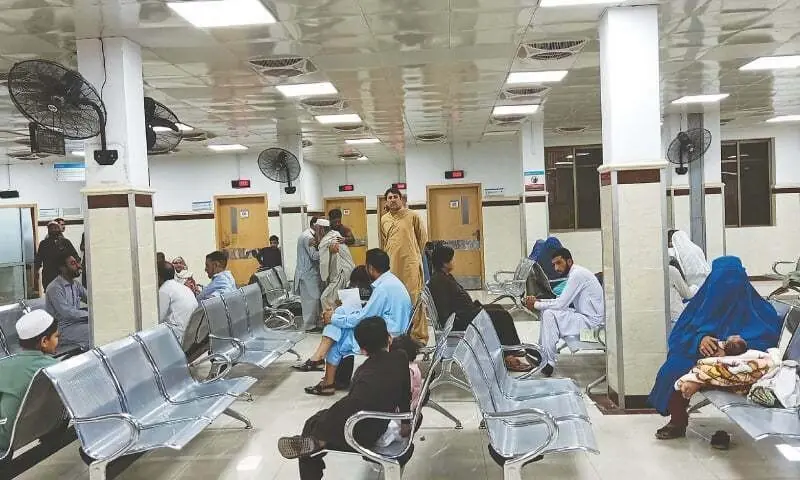
Strategic Investment in Public Health: Bolstering KP Sehat Card Budget
In a decisive move towards robust national advancement, the Khyber Pakhtunkhwa (KP) government has precisely calibrated its financial strategy, significantly increasing the KP Sehat Card Budget. This critical uplift aims to resolve outstanding hospital payments and ensure the seamless execution of the free healthcare initiative. Consequently, this structural adjustment guarantees continued, accessible medical services for millions across the province, reinforcing a foundational pillar of public welfare.
The Translation: Calibrating Healthcare Funding for Stability
The provincial government has strategically elevated the monthly allocation for the Sehat Card Plus (SCP) program, directly impacting the overall KP Sehat Card Budget. Previously, the State Life Insurance Corporation of Pakistan, which manages the scheme, received Rs3 billion monthly. Recognizing the escalating liabilities, officials increased this sum to Rs4 billion in December. This precise adjustment directly targets the settlement of pending dues owed to empaneled hospitals, mitigating financial strain.
Furthermore, the annual budget for this vital program, the KP Sehat Card Budget, has witnessed a substantial increment. Initially set at Rs36 billion, the total annual provision now stands at Rs48 billion. Despite this, the current fiscal year’s specific allocation was Rs41 billion. Therefore, releasing Rs3 billion monthly from July to November created a baseline deficit. This strategic increase will empower the insurance company to systematically clear the outstanding payments, ensuring operational continuity for participating medical facilities.
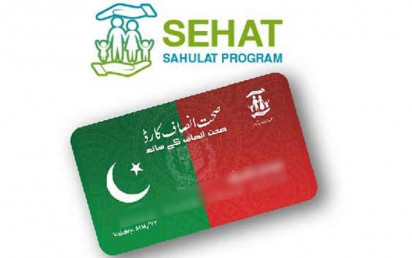
The Socio-Economic Impact: Ensuring Uninterrupted Healthcare Access
This enhanced KP Sehat Card Budget directly impacts the daily lives of Pakistani citizens, particularly in Khyber Pakhtunkhwa. Students, professionals, and households in both urban and rural areas rely on this scheme for critical medical interventions without financial burden. Previously, delayed payments jeopardized this access, leading to hospitals struggling to compensate medical staff and, by extension, affecting patient care quality.
For instance, major institutions like Ayub Teaching Hospital faced significant shortfalls, receiving only Rs38 million against Rs700 million owed. Similarly, the Medical Teaching Institution Bannu awaited Rs290 million. These delays created an unsustainable operational environment. The budget increase, consequently, aims to stabilize hospital finances, allowing them to provide uninterrupted services. This means fewer patients face treatment disruptions and a consistent quality of care is maintained.
Moreover, the program’s expansive reach underscores its importance. Data indicates that approximately 700,000 out of 948,182 patients between July 2025 and March 2026 received treatment outside Peshawar. This decentralization of care alleviates the burden on metropolitan facilities. The timely release of funds will thus allow patients to access essential treatments closer to their homes, reducing travel costs and logistical challenges for vulnerable families.
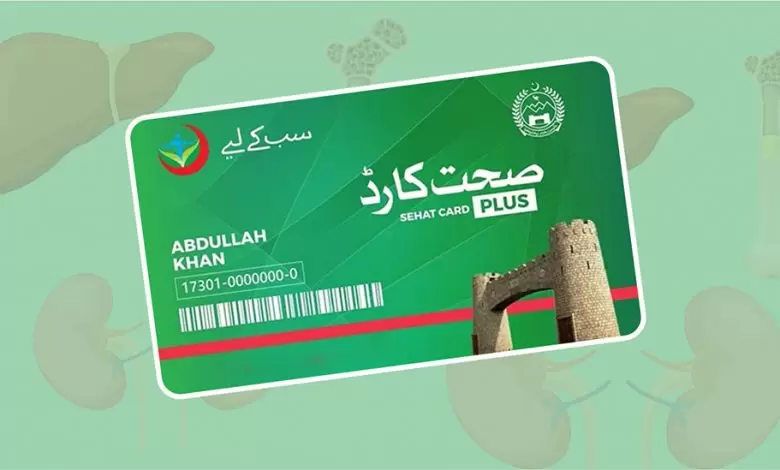
The Forward Path: Momentum Shift Towards Robust Health Infrastructure
This significant increase in the KP Sehat Card Budget represents a clear momentum shift for Pakistan’s healthcare sector. It is a strategic move, acknowledging and directly addressing systemic inefficiencies that hampered service delivery. The government’s proactive stance in clearing liabilities signals a renewed commitment to the program’s long-term sustainability and effectiveness. This is not merely maintenance; it is a structural reinforcement.
However, the forward path demands more than just increased funding. Sources consistently highlight the critical need for a streamlined, efficient system to distribute funds among empaneled hospitals. Prioritizing public hospitals, especially those located beyond Peshawar, will optimize resource allocation and enhance regional accessibility. This calibrated approach will truly transform the free healthcare initiative into a model of system efficiency and national advancement. The government’s decision is a catalyst for improved public health outcomes.