
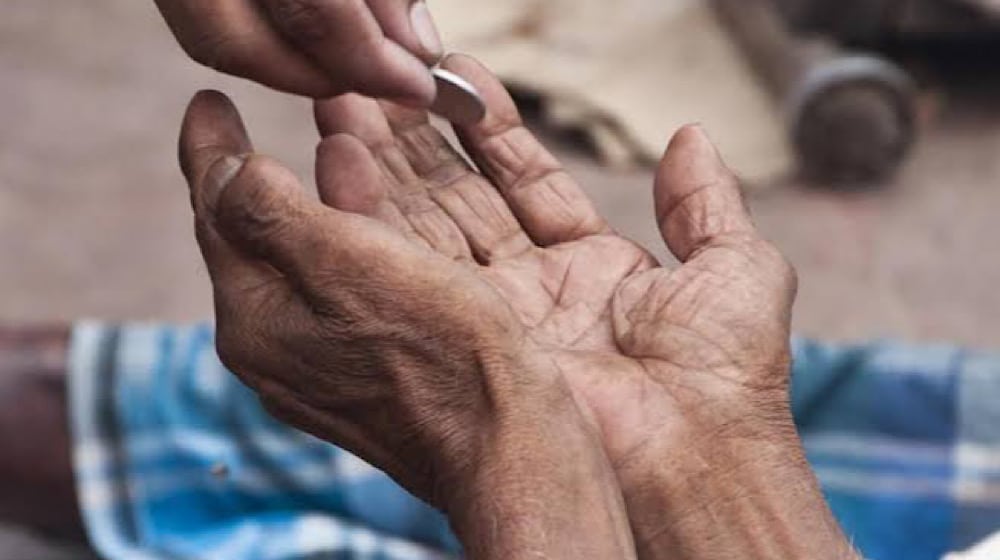
Advancing Social Infrastructure: The New KP Anti-Beggary Bill
Pakistan’s trajectory towards systemic efficiency receives a calibrated boost as the Khyber Pakhtunkhwa Cabinet strategically advances the KP Anti-Beggary Bill 2025. This structural legislative proposal, now slated for assembly consideration, establishes a comprehensive, rights-based framework. It targets the nuanced issue of vagrancy with a focus on rehabilitation over punitive measures and introduces stringent protections for vulnerable individuals. Furthermore, this initiative is complemented by pivotal approvals in health human resources, digital inclusion for minority students, and a refined wheat procurement policy, underscoring a multi-faceted approach to provincial development.
The Translation: Reframing Vagrancy for Modern Pakistan
The newly proposed KP Anti-Beggary Bill represents a significant pivot from the 2020 legal framework. It precisely redefines vagrancy, now encompassing both organized and forced beggary while clearly differentiating between vulnerable individuals and sophisticated criminal networks. Crucially, the legislation prioritizes the welfare of children subjected to begging, prescribing severe penalties for exploiters. Consequently, this calibrated approach ensures that genuine societal support is directed efficiently, rather than broadly punishing those in precarious situations.
Moreover, the bill mandates the establishment of robust institutional mechanisms. This includes a provincial steering committee tasked with strategic oversight and a dedicated, non-lapsable rehabilitation fund. This fund is structurally designed to support skill development programs and facilitate the reintegration of vulnerable individuals into productive societal roles. Ultimately, these measures are foundational to ensuring long-term self-sufficiency and preventing a return to dependency, as articulated by Adviser Shafi Jan.
The Socio-Economic Impact: Calibrating Life for Pakistani Citizens
This legislative advancement directly impacts the daily lives of Pakistani citizens across Khyber Pakhtunkhwa. For vulnerable individuals, particularly children, the bill promises a pathway out of exploitation and into structured rehabilitation programs, offering dignity and new skill sets. Families will observe safer community environments, especially for children who might otherwise be drawn into organized beggary. Professionals and students stand to benefit from the broader societal improvements stemming from reduced street begging and enhanced public safety. Consequently, the focus on skill development provides a tangible economic uplift, transitioning individuals from a state of dependency to becoming contributing members of the workforce, thereby strengthening the provincial economic baseline.
The Forward Path: A Momentum Shift for Human Development
This comprehensive legislative package signals a definitive “Momentum Shift” for Khyber Pakhtunkhwa. The integration of rehabilitation, severe exploitation penalties, and institutional support structures moves beyond mere maintenance; it actively recalibrates the social fabric. Furthermore, the simultaneous approvals for health sector capacity building—creating 2,439 fixed-pay positions for medical officers, dental surgeons, and nurses—and the allocation of PKR 196 million for laptops for minority students under the Chief Minister’s Digital Inclusion Program, reinforce this progressive trajectory. These actions collectively establish a baseline for enhanced human development and a more equitable distribution of opportunities, structurally aligning with a vision for national advancement.
Strategic Reforms Across Key Sectors
Beyond the anti-beggary initiative, the cabinet made several other critical approvals that underscore a strategic approach to provincial governance. The endorsement of the Hybrid Wheat Procurement and Strategic Reserves Policy 2026 exemplifies a calibrated shift towards a market-based model for food security, while maintaining essential reserves. This structural adjustment aims to optimize agricultural economics. Additionally, amendments to the Protection against Harassment of Women at Workplace Act, 2010, and the establishment of breast screening centers at five divisional headquarters, represent targeted interventions to enhance societal well-being and gender equity. Other approvals, including land acquisition for the Peshawar–Dera Ismail Khan Motorway and an extension of financial assistance to affected families, demonstrate a holistic commitment to infrastructure development and community resilience.








