

Strategizing Urban Mobility: The Peshawar Second Ring Road Initiative
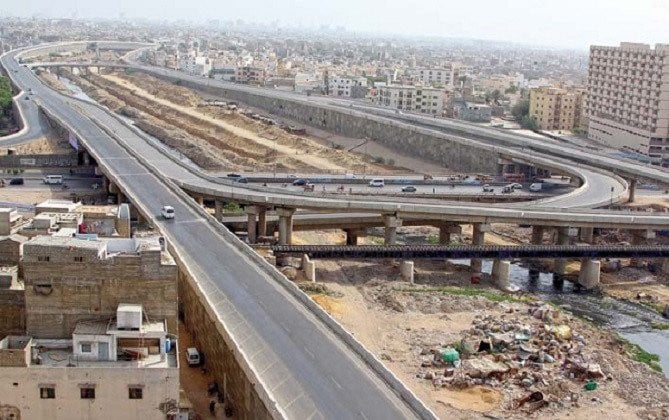
Pakistan’s infrastructure development pipeline is strategically expanding. Consequently, the Khyber Pakhtunkhwa government is precisely evaluating a proposal for a Peshawar Second Ring Road to mitigate escalating traffic congestion, particularly within the provincial capital’s southern corridors. This pivotal project, projected to span 31 kilometers with an estimated cost between Rs. 50 billion and Rs. 60 billion, aims to fundamentally recalibrate urban traffic flow and enhance regional connectivity.
The Translation (Clear Context)
The core objective of this proposed ring road is to divert the substantial volume of vehicular traffic away from Peshawar’s intensely congested urban center. Currently, vehicles traversing through southern localities contribute significantly to bottlenecks, causing considerable delays and inefficiency. This new outer road offers a structural solution by providing an alternative route, thereby optimizing commute times and reducing operational stress on existing city arteries. Furthermore, the strategic inclusion of interchanges will ensure seamless access for commuters, a crucial design specification directed by Chief Minister Sohail Afridi.

The Socio-Economic Impact
This infrastructure expansion directly enhances the daily lives of Pakistani citizens. For students and professionals, reduced travel times translate into greater productivity and improved quality of life. Urban and rural households in Peshawar’s southern areas will experience easier access to essential services, markets, and educational institutions. The project’s emphasis on integrating with the Peshawar Bus Rapid Transit (BRT) system signifies a calibrated approach to bolstering public transport, offering reliable and efficient alternatives to private vehicle use. This structural upgrade promises a catalyst for regional economic activity and streamlined logistics.
Key Structural & Operational Directives
- Route Length: Approximately 31 kilometers, targeting southern Peshawar.
- Estimated Cost: Between Rs. 50 billion and Rs. 60 billion.
- Strategic Interchanges: Essential for commuter access and seamless traffic transition.
- Long-Term Planning: Design considerations prioritize Peshawar’s future transportation needs.
- NHA Coordination: Collaboration with the National Highway Authority for a dedicated interchange near the Peshawar Bus Terminal, streamlining access.
- BRT Integration: Potential for a dedicated BRT track to strengthen public transport infrastructure.
The “Forward Path” (Opinion)
This initiative unequivocally represents a Momentum Shift for Peshawar’s urban development. By proactively addressing traffic congestion and integrating modern transport solutions like the BRT, the Khyber Pakhtunkhwa government demonstrates a forward-thinking approach to systemic efficiency. This strategic investment in core infrastructure, particularly the Peshawar Second Ring Road project, will unlock new economic potential and significantly elevate the standard of living for residents, positioning Peshawar for calibrated growth.









