

The Karimabad Underpass Karachi project, a vital artery for urban mobility, has received a new completion timeline. The Karachi Development Authority (KDA) now expects this critical infrastructure to be operational by April. This structural update follows significant delays and a calibrated reassessment of the project’s trajectory, promising enhanced transit efficiency for Karachi’s citizens. Initially slated for a one-year completion cycle starting December 30, 2023, the underpass has faced multiple extensions, underscoring the complexities inherent in large-scale urban development initiatives.
The Translation: Deconstructing Project Delays and Cost Escalations for the Karimabad Underpass Karachi
Understanding the revised timeline for the Karimabad Underpass Karachi requires a precise review of its historical trajectory. The Director General, Asif Jan Siddiqui, confirmed the underpass completion is now projected for two weeks post-Eid-ul-Fitr, essentially targeting an April opening. This particular project, originally budgeted at Rs. 1.35 billion, has seen its financial outlay escalate to Rs. 3.8 billion. Consequently, this substantial increase highlights the profound impact of prolonged construction phases. Previously, completion deadlines were extended sequentially to 18 months, then to mid-2025, and subsequently to the close of 2025, indicating a recurring pattern of adjustments.
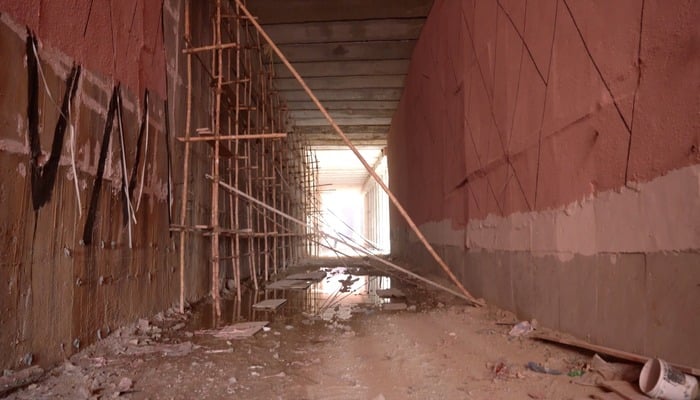
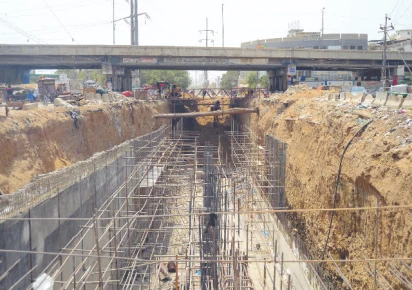
A primary catalyst for these delays was the intricate process of relocating K-Electric transmission lines. Siddiqui stated that these critical power infrastructure components were successfully removed last week. This strategic move has now cleared the path for the remaining construction phases, specifically the installation of the final 90 meters of roof and the subsequent laying of the road surface. Furthermore, this resolution allows for a more accelerated completion schedule.
Socio-Economic Impact: Calibrating Daily Life for Karachi Citizens
The operationalization of the Karimabad Underpass Karachi represents a direct intervention in the daily logistical challenges faced by countless Pakistani citizens. For urban professionals and students, a completed underpass signifies a significant reduction in commute times, translating into improved punctuality and reduced daily stress. Furthermore, the diminished traffic congestion will lead to lower fuel consumption, offering tangible economic relief to households. In contrast, prolonged delays had imposed an indirect tax on citizens through increased travel costs and lost productivity. This infrastructural advancement aims to establish a baseline for more efficient urban transit, liberating valuable time for educational pursuits or professional endeavors.
The “Forward Path”: A Strategic Stabilization Move
This development concerning the Karimabad underpass is best characterized as a “Stabilization Move.” While the projected April completion offers a positive outlook, the recurring delays and substantial cost escalations indicate a need for more robust project management frameworks. Consequently, achieving the revised deadline will restore a degree of public confidence and inject a much-needed element of predictability into urban infrastructure planning. Moving forward, a precise focus on preemptive problem-solving, particularly concerning utility relocations, will be crucial. This move, therefore, aims to stabilize a previously volatile project, paving the way for more consistently efficient future endeavors.








