

Optimizing Urban Mobility: The Karachi No-Parking Project
The proposed Karachi No-Parking Project in Saddar represents a calibrated attempt to enhance urban mobility and reduce congestion. The Sindh government’s initiative aims to designate specific no-parking zones, notably in Saddar and on Zaibunnisa Street. Under this strategic proposal, both cars and motorcycles would be restricted from parking, although pick-and-drop services would remain permitted. Furthermore, authorities are considering a substantial fine of Rs. 50,000 for shopkeepers if makeshift stalls are observed outside their establishments. This structural shift targets a more efficient traffic flow within key commercial arteries.
The Translation: Deconstructing the Saddar Parking Plan
This initiative translates to a significant re-evaluation of commercial logistics in Saddar. Fundamentally, the plan seeks to disincentivize long-term parking in high-traffic areas, thereby optimizing road capacity. However, the mandate for shopkeepers to prevent encroachment outside their premises, enforced by a considerable penalty, shifts a regulatory burden directly onto businesses. Consequently, this changes the baseline operational parameters for traders, necessitating a clear understanding of compliance requirements and accountability for public space management.
Socio-Economic Impact: Daily Life in a Revamped Saddar
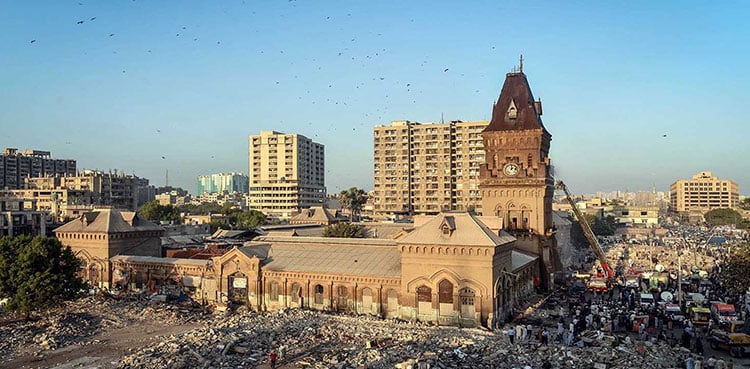
The Karachi No-Parking Project introduces direct implications for the daily life of Pakistani citizens, particularly those frequenting or operating businesses in Saddar. For students and professionals, reduced parking availability could necessitate longer commutes or reliance on public transport, potentially increasing travel times and costs. For households, particularly those relying on the vibrant markets of Saddar for essentials, accessibility could become a significant barrier. Rizwan Irfan, President of the Saddar Electronic Market, precisely articulated this concern, warning that forcing customers to park at a distance could significantly reduce foot traffic. Ultimately, this directly impacts the revenue streams of local businesses and, consequently, the livelihoods of countless families in urban Pakistan.
Trader Opposition and Strategic Alternatives for Urban Mobility
A unified front of traders has vehemently rejected the proposal. Irfan specifically opposed declaring Abdullah Haroon Road a no-parking area without establishing viable alternative parking facilities. He emphasized that shopkeepers should not bear responsibility for stalls erected by encroachers, advocating for direct governmental action against illegal setups. As a constructive alternative, Irfan proposed the development of an underground parking facility beneath Jehangir Park. This structural suggestion provides a long-term solution to parking challenges, rather than merely displacing them. Therefore, stakeholders are urging the Sindh government and the Karachi mayor to review the plan, underscoring the necessity of stakeholder consultation for effective urban planning.

The Forward Path: Momentum Shift or Stabilization Move?
This development signifies a Stabilization Move rather than a decisive momentum shift. While the intention to streamline traffic is laudable, the execution strategy currently appears to prioritize regulation over comprehensive infrastructure development. A true momentum shift would involve integrated urban planning that includes both parking restrictions and the simultaneous provision of adequate, accessible, and modern parking solutions, such as the proposed underground facility. Without this parallel development, the initiative risks merely relocating congestion and economic strain. Constructive dialogue with the trading community is a critical catalyst for any genuinely progressive urban overhaul.








