
Karachi Revolutionizes Water Supply: Ending Tanker Dependency
Karachi is set to introduce a new, pipeline-based system for Karachi water supply, marking a significant shift in its urban infrastructure. This initiative aims to finally end the city’s long-standing reliance on water tankers and hydrants. Spearheaded by the Karachi Metropolitan Corporation, the project promises a more equitable, efficient, and sustainable distribution network for its growing population.
For years, Karachi residents have struggled with inconsistent water access. Consequently, many resorted to expensive and often unreliable water tankers. The current system, heavily dependent on hydrants and private tankers, has burdened citizens financially and fostered widespread corruption. The transition to a modern pipeline system addresses these chronic issues, ensuring access to clean water for everyone. Ultimately, this move represents a critical step forward for the metropolis.

Phasing Out Tankers: A New Era for Karachi Water Supply
During a pivotal meeting, Karachi Mayor Murtaza Wahab issued clear directives to the Karachi Water and Sewerage Corporation (KWSC). He instructed them to develop and implement a robust alternative system for water supply via pipelines. A key component of this plan involves the gradual closure of all seven operational hydrants city-wide. This strategic move aims to dismantle the tanker mafia’s influence, streamlining water distribution directly to households.
The Mayor explicitly emphasized that water must reach citizens through direct pipeline connections. He instructed officials to expedite arrangements for doorstep delivery via proper lines. This transition goes beyond merely changing delivery methods. Fundamentally, it transforms water resource management and distribution across the metropolis. The KWSC is now tasked with developing a comprehensive roadmap, ensuring minimal disruption during implementation.
Financial Implications and Interim Solutions
The city currently generates approximately Rs. 3 million monthly from hydrants. However, Mayor Wahab confirmed that all existing hydrant contracts expired last year and will not be renewed. This decision, despite impacting immediate revenue, underscores the administration’s commitment. Prioritizing public welfare over commercial gains from an outdated system is crucial. Long-term savings and improved public health benefits are expected to significantly outweigh short-term financial adjustments.
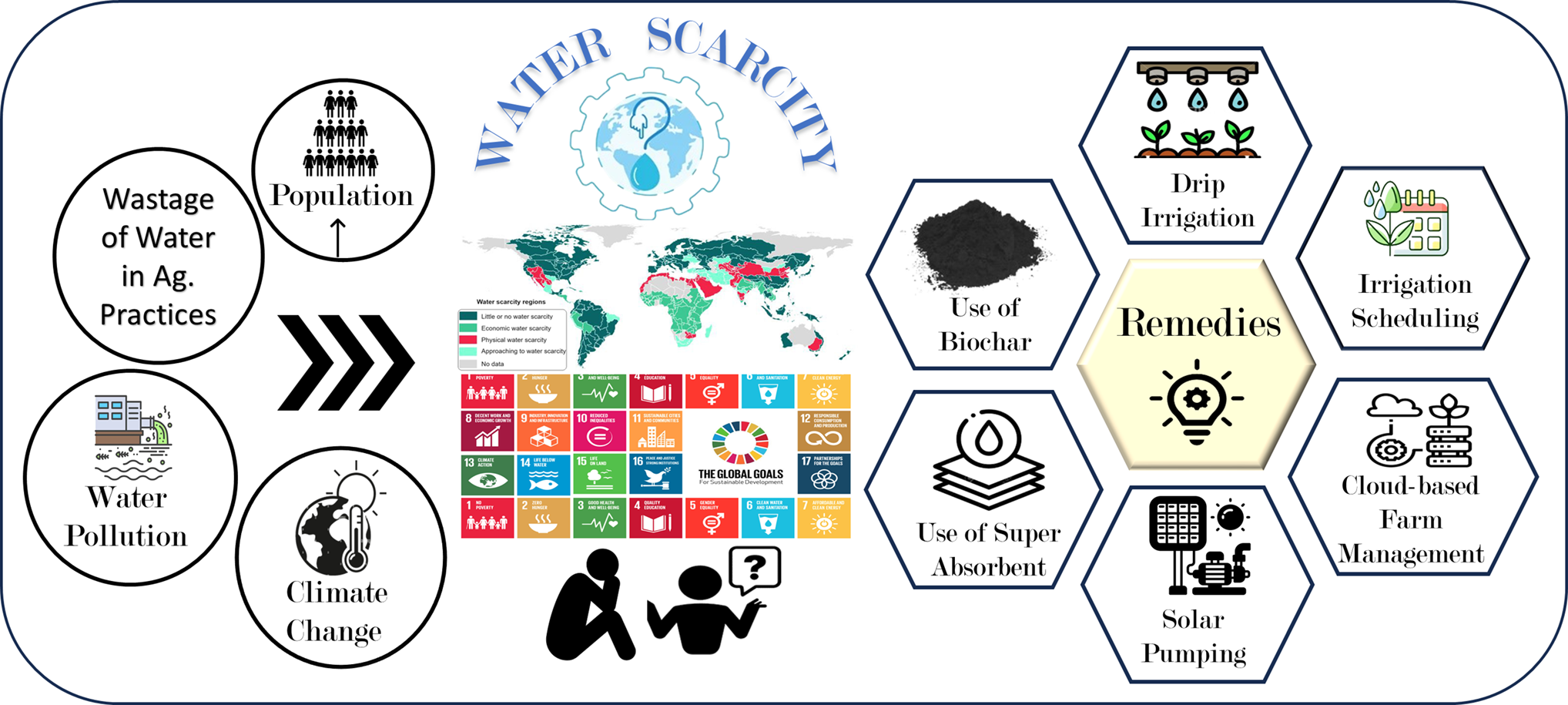
Establishing a complete pipeline system will naturally take time. Therefore, the Mayor directed interim measures. Until the new infrastructure is fully implemented, water will be supplied to different areas on alternate days. This temporary arrangement aims for more systematic and predictable supply during the transition. It mitigates immediate shortages and offers relief to residents long accustomed to erratic water access.
Building a Sustainable Water Future for Karachi
The introduction of a new pipeline-based Karachi water supply system is a monumental undertaking. It signifies Karachi’s commitment to sustainable urban development and an improved quality of life for its residents. By eradicating reliance on tankers and investing in robust infrastructure, the city addresses critical issues. These include water scarcity, inequitable distribution, and infrastructure decay.

This initiative promises numerous benefits. Firstly, it will reduce water wastage and lower costs for consumers. Secondly, it will enhance public health through a more reliable supply of clean water. While implementation, funding, and maintenance challenges are anticipated, this strategic shift is crucial. It aims to build a resilient, modern water management system capable of serving Karachi’s growing population effectively for decades.
Ultimately, the success of this project could set a powerful precedent. It offers a model for other urban centers grappling with similar water supply challenges. Consequently, Karachi steps forward towards a brighter, more sustainable future.









