
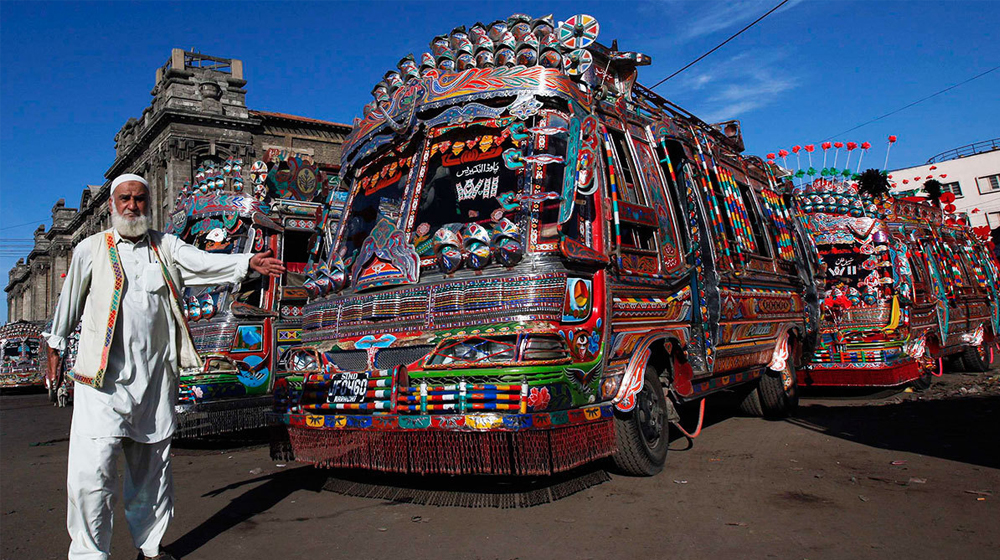
Strategic intervention is underway in Karachi to address systemic Karachi bus overcharging practices. Authorities have initiated a targeted crackdown, ensuring equitable public transport costs, especially ahead of Eid al-Fitr 2026. This calibrated enforcement has already resulted in over Rs1.02 million being refunded to commuters, establishing a critical baseline for consumer protection and efficient urban mobility.
Calibrating Urban Mobility: Decoding the Anti-Overcharging Mandate
Following a precise report submitted by the Secretary of the Provincial Transport Authority, officials mandated immediate refunds totalling over Rs1.02 million to passengers subjected to excessive fares. Consequently, Syed Hassan Naqvi, the Commissioner of Karachi, has issued directives to deputy commissioners and transport authorities. Their objective is to strictly enforce official fare regulations city-wide. Furthermore, operators must conspicuously display approved fare details on all buses and at every bus stop. Non-compliance will trigger rigorous punitive actions, ensuring adherence to established protocols.

Ensuring Fair Transport: The Mechanism of Enforcement
To bolster this initiative, authorities will deploy dedicated complaint desks at all major bus stops. This structural enhancement empowers commuters to promptly report fare-related violations. Therefore, passengers can seek immediate assistance, fostering a more transparent and accountable public transport environment. This strategic deployment aims to deter further instances of bus overcharging, thereby solidifying consumer trust.
Economic Precision: Direct Impact on Pakistani Households
This systematic crackdown directly influences the daily economic landscape for countless Pakistani citizens. For students reliant on public transport, it translates into predictable and affordable commutes, critically impacting their educational access. Professionals, similarly, benefit from stable travel costs, mitigating unforeseen expenses that can strain monthly budgets. Consequently, urban and rural households alike experience a tangible reduction in travel expenditures, allowing for better allocation of resources, especially during peak travel seasons like Eid. This ensures that essential mobility remains an accessible right, not a financial burden.
Systemic Optimization: Momentum Shift or Stabilization Move?
This proactive measure represents a critical stabilization move within Karachi’s transport sector. While it effectively addresses an immediate challenge—the prevalent Karachi bus overcharging—its long-term efficacy hinges on sustained enforcement and systemic reforms. To achieve a genuine momentum shift, Pakistan requires comprehensive digitization of fare collection, real-time monitoring of bus routes, and robust public feedback integration. Therefore, this action lays a foundational baseline, but consistent, technologically-driven oversight is the imperative next step for transformative progress in urban transit efficiency.








