Pakistan’s strategic energy landscape is undergoing a calibrated transformation. Karachi industrialists and financial leaders have architected a pioneering Solar Charity Model, proposing a not-for-profit framework designed to systematically divert surplus solar energy. This innovative initiative aims to empower low-income and deserving households, concurrently reducing government subsidy burdens and easing pressure on industrial tariffs. Consequently, this development signifies a structural move towards energy equity and efficiency.
Precision Energy: Understanding the Solar Charity Model
Introducing SNUDA: A Structural Framework for Energy Sharing
The proposed framework, formally named the Social Net-Metering Unit Donation Framework (SNUDA), represents a significant leap in communal energy resource allocation. Originally conceived by business leader and former Karachi Stock Exchange managing director Moin M. Fudda, this initiative now gains critical momentum through the Korangi Association of Trade and Industry. Their endorsement strategically integrates scalable solar generation with essential social support mechanisms.
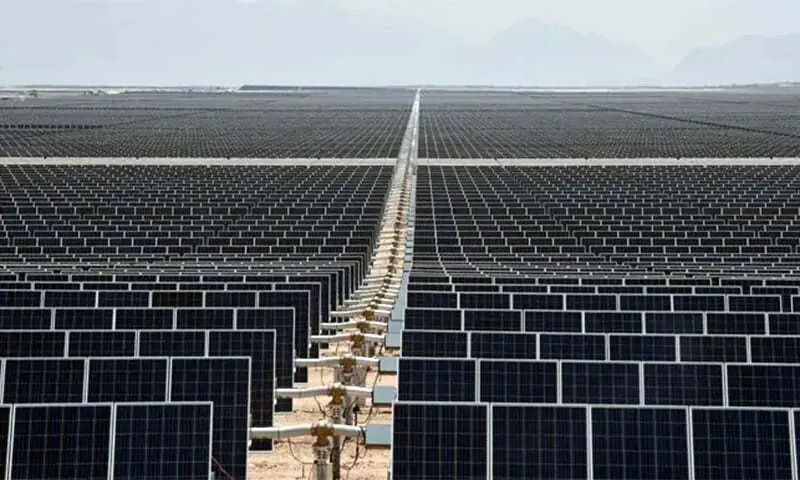
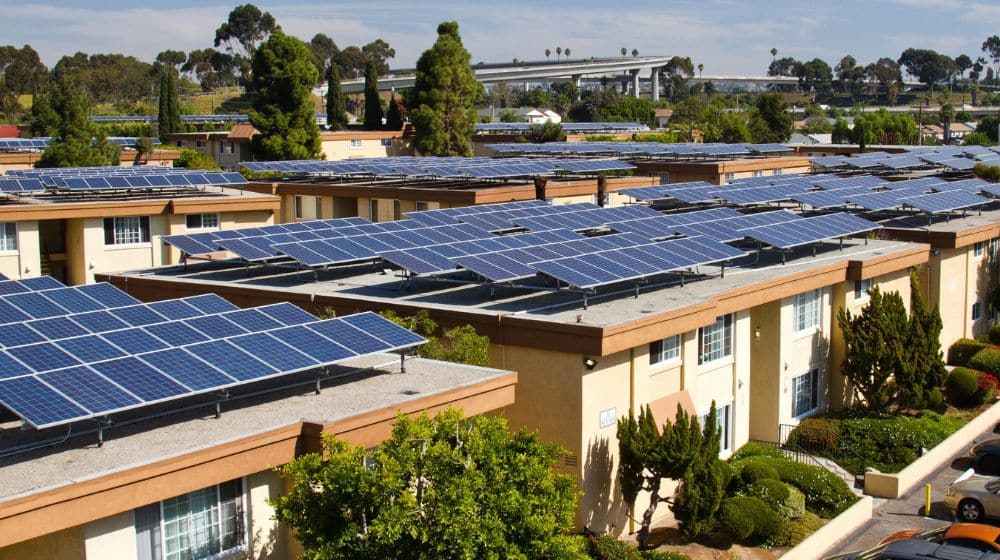
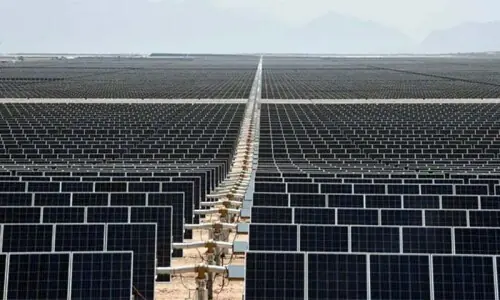
SNUDA operates on a simple, yet profoundly efficient principle. Solar installations, particularly from commercial and industrial rooftops, that generate excess electricity would systematically feed this surplus into a designated charity-oriented pool. Subsequently, this energy would be precisely allocated to poor and deserving consumers. This process leverages Pakistan’s existing net-metering infrastructure, facilitating energy sharing without imposing additional costs on the national grid.
Catalyzing Change: Impact on Pakistani Households and Economy
Reducing Systemic Burdens and Enhancing Livelihoods
This energy model holds immense potential to recalibrate Pakistan’s energy economics. Proponents assert that the framework could substantially reduce the subsidy burden on the government, a critical fiscal objective. Furthermore, it aims to lower industrial tariffs by mitigating cross-subsidy pressures, thereby bolstering industrial competitiveness. For power companies, this initiative promises improved recoveries and reduced distribution losses, optimizing operational efficiency.
The daily life of a Pakistani citizen, particularly in urban and rural low-income households, stands to improve significantly. Access to affordable, reliable electricity reduces household expenses, freeing up critical resources for education, healthcare, or small business development. This approach provides tangible financial relief, transitioning energy from a cost burden to a foundational support for economic stability and quality of life.
Moreover, industrialists emphasize that harnessing unused solar generation for social benefit aligns economic efficiency with crucial social impact. This alignment is particularly vital during periods of high energy costs. The concept emerges as rooftop and commercial solar adoption in Pakistan rises, driven by industries seeking lower-cost energy alternatives amidst expensive conventional power. Solar already accounts for a growing share of distributed generation, indicating a robust baseline for SNUDA’s implementation.

Strategic Advancement: A Momentum Shift for Energy Equity
This development represents a profound Momentum Shift for Pakistan’s energy sector. The SNUDA framework transcends mere energy policy; it creates a structural mechanism for energy equity. By transforming excess clean power into a social asset, rather than allowing it to remain unused, the nation advances its environmental goals while simultaneously addressing socio-economic disparities. This is a pragmatic, forward-thinking strategy that complements existing energy policies and catalyzes broader national advancement.