
A Systemic Overview: Karachi’s Calibrated Response to Heavy Rain
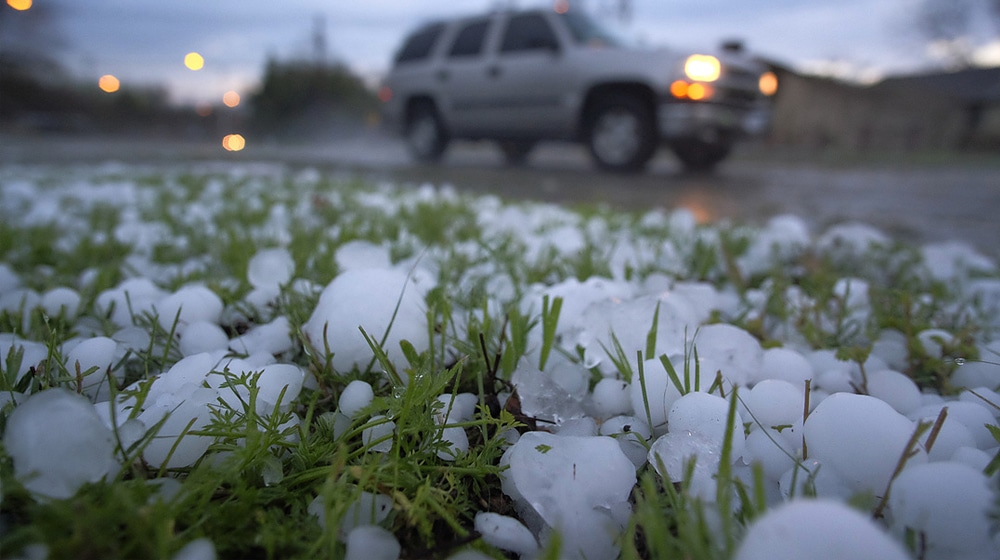
Karachi recently experienced an uncharacteristic weather phenomenon: widespread Karachi heavy rain and accompanying hailstorms. This meteorological event instigated a significant temperature reduction, reinstating distinctly chilly conditions across the coastal metropolis. Consequently, the city’s operational baseline was tested, highlighting critical considerations for urban infrastructure and public safety protocols.
Reports delineated substantial showers across numerous localities, while localized hailstorms were observed in areas such as Liaquatabad, Nazimabad, and Gulistan-e-Jauhar. Furthermore, significant rainfall impacted the SITE area, Buffer Zone, Five Star Roundabout, Nagan Chowrangi, Orangi Town, and stretches along University Road. This created acutely wet and slippery conditions on major arterial routes, disrupting standard traffic flow.

The Translation: Understanding the Meteorological Dynamics
The Pakistan Meteorological Department (PMD) precisely identified a shallow westerly wave influencing the nation’s southern regions as the catalyst for this weather activity. This atmospheric system strategically delivered isolated thunderstorms, strong gusty winds, and discrete pockets of hail. Fundamentally, this underscores the dynamic interplay of regional weather patterns and their direct influence on localized climatic conditions, providing insights into future Pakistan weather forecast models.
Social media platforms actively showcased residents’ observations, with numerous videos and images depicting hail accumulation and rain-soaked streets. This widespread community engagement offers real-time data on the phenomenon’s spatial distribution and intensity. Notably, this winter weather event, characterized by its intensity, represents a rare occurrence for Karachi’s typically mild climate, leading to a significant Karachi temperature drop.
Socio-Economic Impact: Navigating Urban Disruption and Resource Strain
This weather event directly impacts the daily life of a Pakistani citizen by posing immediate challenges to urban mobility and safety. Motorists, for example, faced significantly reduced visibility and slick road conditions during the period of Karachi heavy rain. Officials precisely warned that wind speeds in some areas could reach up to 40 kilometers per hour, amplifying the risk for commuters and pedestrians alike. For students and professionals, this translated into potential delays and hazardous travel to educational institutions and workplaces.
Moreover, while the fresh showers provided a temporary alleviation from dry conditions, they simultaneously disrupted routine traffic flow throughout various sectors of the metropolis. Households in both urban and rural Pakistan experience resource strain as infrastructure is tested and emergency services are engaged. This necessitates a proactive approach to urban planning and disaster preparedness to safeguard public welfare and maintain economic momentum, especially considering the potential for significant Karachi hailstorm impact.
The Forward Path: Calibrated Adaptation for Future Resilience
Authorities continue to meticulously monitor the situation, as intermittent rain and gusty winds remain probable under the current weather system. From an “Innovator” perspective, this development represents a “Stabilization Move.” While the immediate response focused on managing disruption, the event clearly highlights existing vulnerabilities within Karachi’s urban infrastructure.
Consequently, there is an architectural imperative to enhance baseline preparedness and implement advanced meteorological monitoring systems. A strategic emphasis on robust drainage, effective urban planning, and public awareness campaigns is now critical. Furthermore, anticipating future instances of Karachi heavy rain is essential for urban planners. This will ensure that future similar events are met with a more resilient and less disruptive systemic response, thereby contributing to the sustained national advancement of Pakistan.








