

Achieving structural efficiency in national resource distribution is paramount for Pakistan’s sustained progress. Consequently, Karachi is currently navigating a period of precisely calibrated scheduled gas supply interruptions, impacting various sectors across the city. Sui Southern Gas Company (SSGC) has confirmed these strategic adjustments, designed to manage existing energy demands. This structured approach, while posing challenges for residents, necessitates a re-evaluation of energy consumption patterns to maintain system stability. The objective remains to optimize national energy infrastructure for long-term reliability, specifically addressing the implications of these Karachi gas outages.
The Translation: Deconstructing Karachi’s Gas Supply Schedule
The recent announcement of scheduled gas supply interruptions in Karachi signifies a deliberate move by utility providers to manage energy resources. Specifically, officials have detailed three distinct phases of gas suspension. Firstly, morning hours, from 10:00 AM to 12:00 PM, will experience an outage. Furthermore, an evening cessation will occur between 3:00 PM and 6:00 PM. Lastly, the nighttime supply will be suspended from 10:00 PM until 5:30 AM. These defined windows for gas unavailability provide clear operational parameters for both consumers and businesses, shaping how Karachi plans its daily activities. Consequently, understanding these precise timings is crucial for proactive planning and resource allocation.
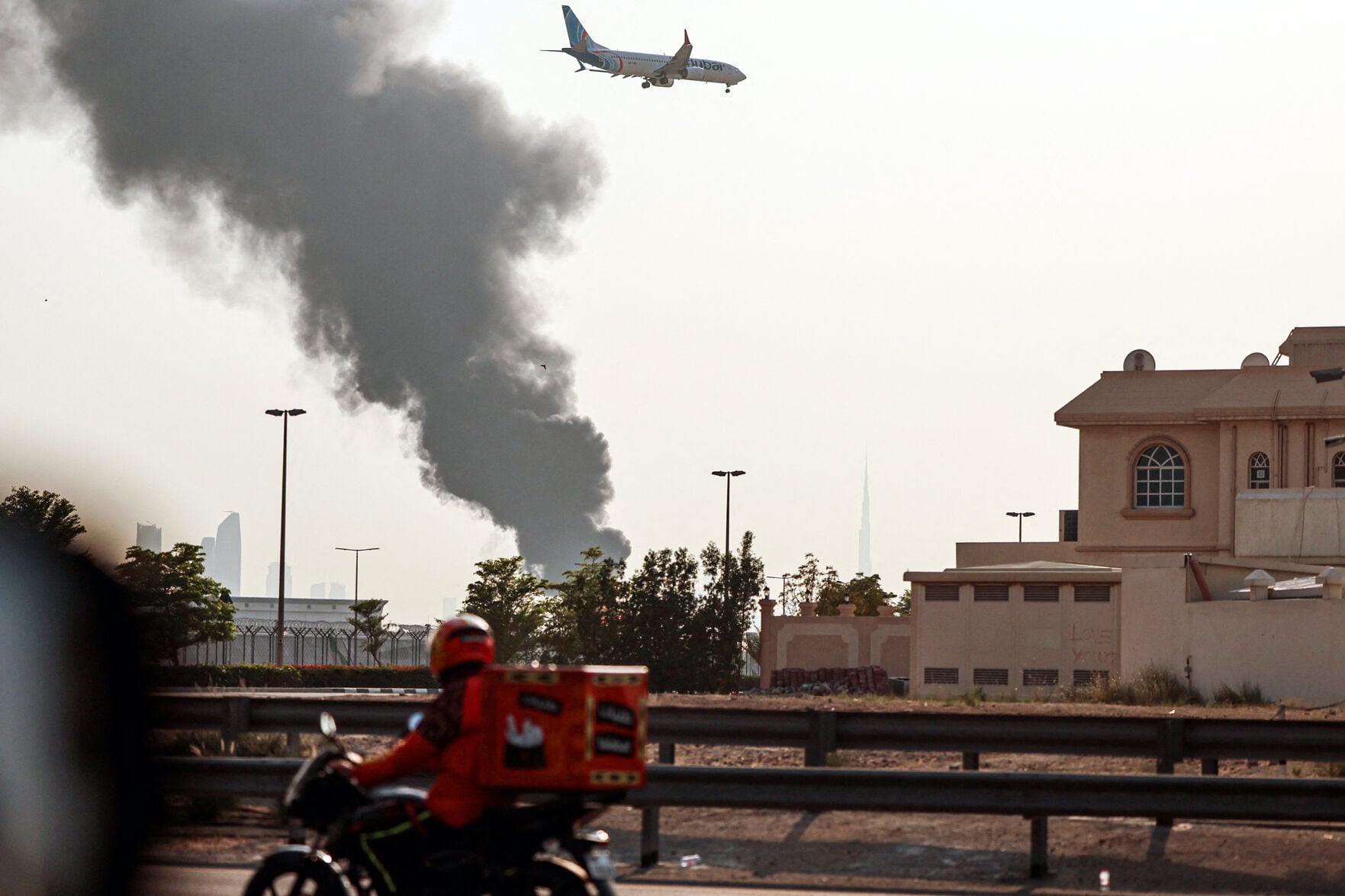
The Socio-Economic Impact: Navigating Daily Life Amidst Supply Interruptions
These structured gas interruptions inevitably reconfigure the daily routines of Pakistani citizens, impacting both urban and rural households and professional sectors. For instance, families residing in areas such as
- F.B Area
- North Nazimabad
- Malir
- Khokhrapar
- Landhi
- Orangi Town
- North Karachi
have already reported significant disruptions during morning hours. Additionally, key commercial and residential hubs including
- Gulshan-e-Iqbal
- Nazimabad
- Garden
- Liaquatabad
are also experiencing gas load shedding. This situation directly affects essential household activities like cooking and heating, compelling citizens to calibrate their daily schedules around the gas availability windows. Strategically, businesses reliant on gas for operations face the imperative to develop contingency plans, ensuring minimal operational downtime. Thus, this necessitates a collective societal adaptation to ensure continuity and productivity.
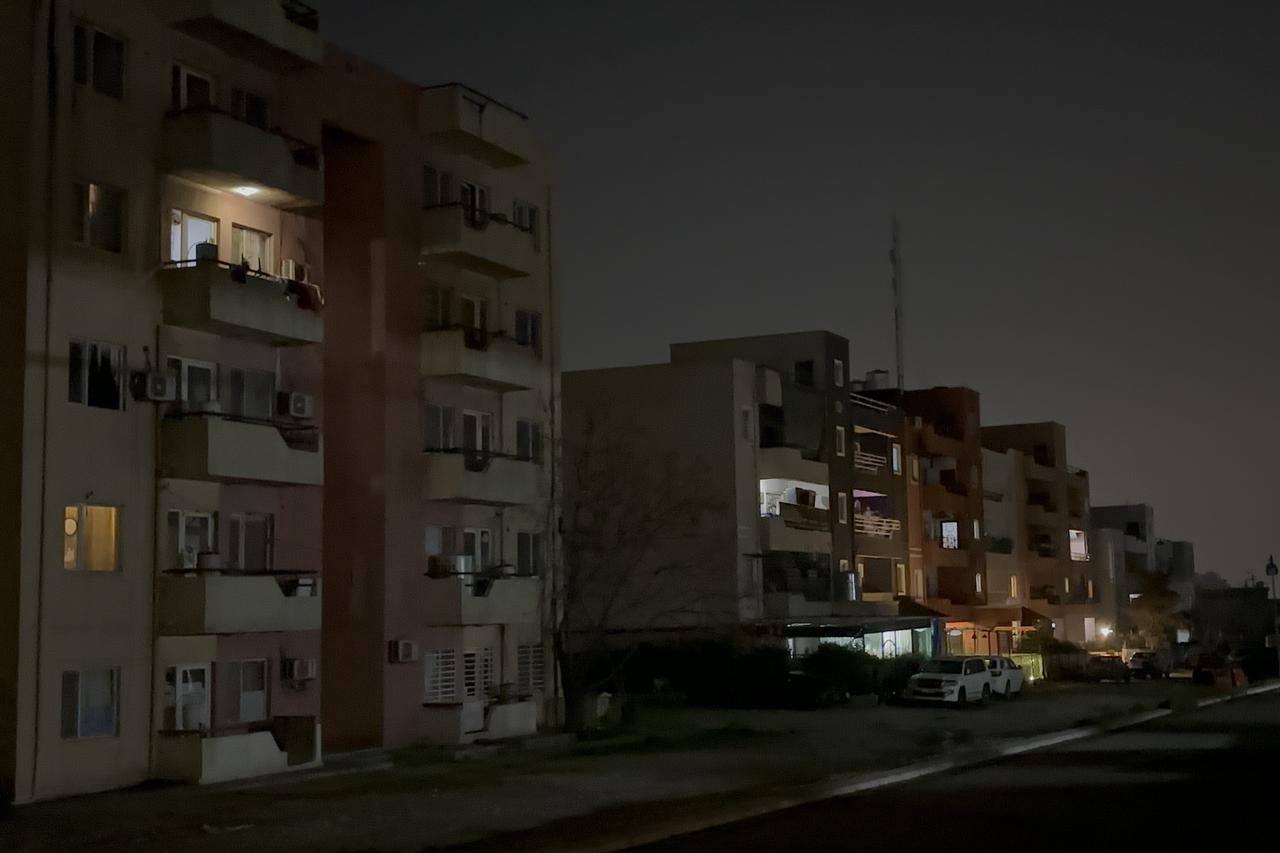
The “Forward Path”: A Stabilization Move for Energy Systems
This systematic implementation of scheduled gas outages in Karachi represents a critical stabilization move within Pakistan’s broader energy infrastructure. It is not indicative of a momentum shift towards abundant supply but rather a calculated measure to balance current demand with existing supply capabilities. The data clearly shows authorities urging citizens to plan accordingly and optimize gas resource utilization during periods of availability. Consequently, this scenario underscores the persistent challenge of energy security and resource management within a rapidly developing nation. Future policy must therefore focus on diversifying energy sources and upgrading infrastructure to mitigate such dependencies and ensure a more resilient national energy matrix. This analytical perspective prioritizes long-term systemic robustness over short-term expediency.









